Featured Resources
-
STORM Therapeutics: From Lead to Pre-Candidate Nomination in 18 Months

STORM Therapeutics: From Lead to Pre-Candidate Nomination in 18 Months
Case study


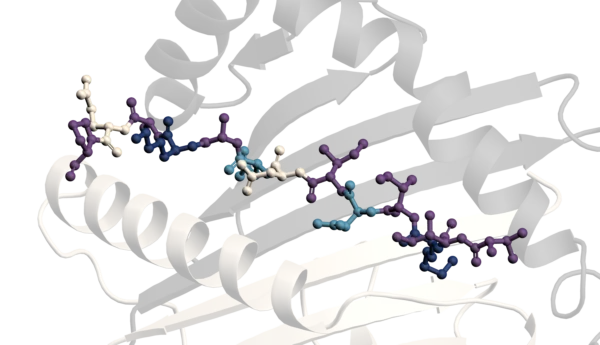

Integrating FIDA™ and Biacore™ SPR for optimal results.


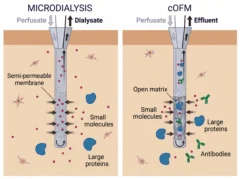
Discover precise insights into brain neurochemistry with Sygnature Discovery's in vivo microdialysis and cOFM services. With over 20 years of expertise, we design bespoke studies that reveal how compounds modulate neurotransmitter systems in health and disease. Using UHPLC/HPLC with electrochemical detection or mass spectrometry, we deliver robust PK/PD data to support confident CNS decision making.


July 30, 2015
Inobrodib, an exciting, first-in-class oral anti-cancer drug in clinical development by CellCentric, was collaboratively designed, synthesized and supported on its pre-clinical journey by an integrated project team at Sygnature Discovery. Inobrodib is now showing promising results in Phase I and II trials for multiple myeloma and other cancer types.

February 3, 2026

Stay up to date with the latest company updates, milestones, and announcements.
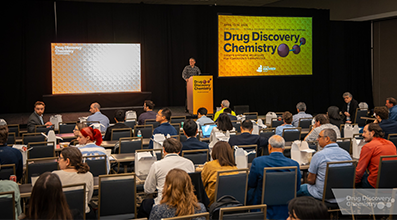
Explore upcoming conferences and scientific meetings where you can connect with our team.

At Sygnature Discovery, we deliver world-leading drug discovery solutions to accelerate your compound from idea to clinic.

Our leadership team brings diverse experience and insight, driving collaboration and innovation across drug discovery.

Explore careers at Sygnature Discovery and join a global team committed to science, collaboration, and integrity.
Inobrodib, an exciting, first-in-class oral anti-cancer drug in clinical development by CellCentric, was collaboratively designed, synthesized and supported on its pre-clinical journey by an integrated project team at Sygnature Discovery. Inobrodib is now showing promising results in Phase I and II trials for multiple myeloma and other cancer types.
At Sygnature Discovery, we deliver world-leading drug discovery solutions to accelerate your compound from idea to clinic.
Our leadership team brings diverse experience and insight, driving collaboration and innovation across drug discovery.
Explore careers at Sygnature Discovery and join a global team committed to science, collaboration, and integrity.
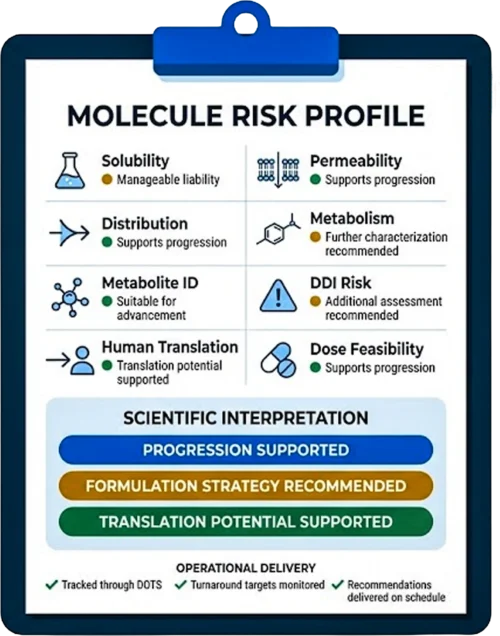
A drug discovery program can generate a molecule that looks exceptional on paper. It can progress through chemistry and cellular pharmacology by potently inhibiting a target, activating a receptor, or producing the desired response in a carefully designed assay. Yet despite promising efficacy data, many compounds never become medicines.
Why? Because potency alone does not predict translational relevance or clinical practicality.
A successful medicine must survive a complex journey through the body. It must be absorbed, distributed to the right tissues, remain at a therapeutic concentration for long enough to have the desired effect. In addition, it should avoid unacceptable safety risks and ultimately be administered in a way that is practical for patients. Understanding whether a molecule can achieve all of this is the role of Drug Metabolism and Pharmacokinetics, more commonly known as DMPK.
At its core, DMPK answers one of the most important questions in drug discovery: Do you have viable medicine?
When scientists identify a promising lead compound, the natural focus is often on activity. Does it engage the target? Does it produce the desired effect? Is it more potent than competing compounds?
These are all essential questions, but they represent only part of the picture.
To become a medicine, an orally administered compound must dissolve in the gastrointestinal tract, cross biological membranes, survive metabolic processes, enter the systemic circulation, distribute into the appropriate tissues, and maintain sufficient free drug concentration at the site of action. Failure at any step can prevent an otherwise promising molecule from delivering therapeutic benefit.
This is why experienced discovery teams begin with the end in mind. Rather than optimizing potency in isolation, they seek to understand how all a compound’s properties work together to influence its clinical potential.
Every discipline views a molecule through a different lens.
Medicinal chemists focus on structure and optimization. Pharmacologists focus on biological activity and target engagement. DMPK sits across all of these areas, asking a different question: what will this molecule do inside a living system?
DMPK scientists are uniquely positioned to understand the journey of a compound once it enters the body. Will it be absorbed? Where will it be distributed? How quickly will it be metabolized? Will enough free drug reach the target tissue to deliver efficacy? Could exposure levels create safety concerns, or might concomitant medications alter its behavior?
Answering these questions requires far more than measuring a few pharmacokinetic (PK) parameters. It demands a detailed understanding of how molecules are transformed by biological systems, particularly by drug-metabolizing enzymes such as the cytochrome P450 family. These enzymes can rapidly clear a compound, generate active or inactive metabolites, or create drug-drug interaction risks that may not become apparent through biology or chemistry alone.
At Sygnature Discovery, our DMPK team employs liquid chromatography-mass spectrometer analysis as the end point of the majority of our assays, with the expertise to assay a wide range of compounds with different chemical properties. Compound profiling reveals exactly how a molecule is absorbed, metabolized, distributed, and eliminated. From metabolic stability studies and metabolite identification to bioanalysis, tissue distribution studies, and biomarker quantification, data are generated to understand what is really happening to a compound in vitro and in vivo.
The result is a discovery process focused on developing molecules with the properties needed to become successful medicines.
One of the most valuable contributions DMPK makes is helping scientists translate preclinical findings into predictions of human outcomes.
This is far from straightforward. Drug behavior depends on a complex interplay of factors, including solubility, permeability, metabolism, protein binding, tissue distribution, and clearance. Understanding each of these parameters individually is important, but the real challenge is connecting these factors to deliver a comprehensive risk assessment of progressing your candidate.
A compound with poor solubility may never be absorbed efficiently. A highly permeable molecule may still fail if it is cleared too rapidly. A molecule with excellent exposure may require impractically high doses if target engagement is insufficient.
DMPK brings these factors together through integrated data analysis, in vitro to in vivo translation, pharmacokinetic (PK) and pharmacokinetic-pharmacodynamic (PK-PD) modelling. The ultimate goal is to predict what human exposure is likely to look like and whether that exposure can support meaningful efficacy at a realistic dose. A thorough investigation of a compound’s drug-drug-interaction profile (DDI) permits an understanding of safety liabilities and informs the first in human clinical trial design.
This is where DMPK moves beyond data generation and becomes a strategic decision-making tool.
The importance of DMPK is particularly evident in metabolic disease programs.
Conditions such as obesity present unique challenges from a pharmacokinetic perspective. Patients often have multiple comorbidities and may be taking several concomitant medications, increasing the risk of drug-drug interactions (DDIs). Physiological changes associated with obesity can also influence distribution, clearance, and pharmacodynamic responses in ways that are not always predictable.
As a result, understanding exposure and interaction risk becomes critical long before a clinical candidate is selected.
This growing complexity is one reason why successful metabolic disease programs increasingly rely on close collaboration between DMPK scientists, pharmacologists, medicinal chemists, and disease experts throughout discovery.
Despite its importance, DMPK is sometimes viewed as a support function.
In reality, DMPK helps translate activity into an assessment of clinical potential.
Beyond generating data, Sygnature Discovery’s DMPK team provides a consultative risk assessment throughout the discovery process. We recognize that every compound carries a unique set of opportunities and liabilities, whether they relate to metabolism, clearance, absorption, tissue distribution, drug-drug interactions, or dose feasibility. Our scientists work within the discovery pipeline to identify these risks early, assess their likely impact, and recommend practical strategies to address them. This enables informed decision-making, candidate prioritization, and ultimately helps answer one of the most important questions in drug discovery: is this a manageable liability, can we see a way forward for this molecule series, or is this a reason to stop?
This is where we find our multidisciplinary structure particularly powerful.
At Sygnature Discovery, our DMPK scientists work alongside medicinal chemists, formulation scientists, bioscience and in vivo pharmacology to build a complete picture of compound behavior. We actively promote cross-disciplinary communication to ensure the right data is generated at the right time and used at its used at the most optimal moment. With these departments located on the same site, this is not a challenge.
Crucially, this means recommendations are provided in the context of the entire discovery program. DMPK data rarely exists in isolation. By integrating pharmacology, chemistry, formulation, bioanalysis, modeling, and safety considerations, the team can compare candidate profiles, predict potential development challenges, assess drug-drug interaction risks, and support human dose prediction. The outcome is not simply a numeric report, but a scientific assessment of risk and probability of success.
Timeliness is equally important. Discovery programs cannot afford to wait until late-stage development to uncover a potentially critical liability. DMPK therefore contributes throughout the project lifecycle, from early hit-to-lead decisions through lead optimization and candidate selection. At Sygnature Discovery, data delivery and turnaround times are actively monitored, allowing teams to generate actionable data when it can have the greatest impact on project direction. Early visibility of risk helps avoid costly rework, supports faster decision-making, and keeps programs moving forward with confidence.
Rather than operating as a standalone function, DMPK becomes an integral part of the design-make-test-analyze cycle, helping teams generate the right data, understand the associated risks, and make better-informed decisions at every stage of discovery. The result is greater confidence that the molecules being advanced have genuine clinical potential.
Ultimately, drug discovery is a process of reducing uncertainty.
Every experiment, assay, and model exists to improve confidence in the next decision. DMPK plays a unique role because it connects chemistry, biology, pharmacology, safety, and clinical translation into a single narrative.
And in the end, that is the question every discovery team is trying to answer:
Do you have a molecule, or do you have a medicine?

Peak Proteins, NuChem Sciences, and SB Drug Discovery have now fully integrated with Sygnature Discovery.