

Featured Resources
-
STORM Therapeutics: From Lead to Pre-Candidate Nomination in 18 Months

STORM Therapeutics: From Lead to Pre-Candidate Nomination in 18 Months
Case study


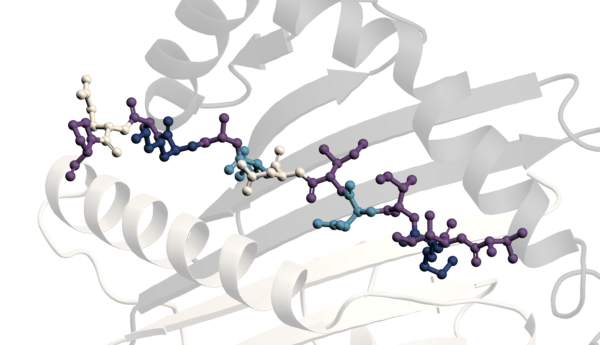


Discover precise insights into brain neurochemistry with Sygnature Discovery's in vivo microdialysis and cOFM services. With over 20 years of expertise, we design bespoke studies that reveal how compounds modulate neurotransmitter systems in health and disease. Using UHPLC/HPLC with electrochemical detection or mass spectrometry, we deliver robust PK/PD data to support confident CNS decision making.


July 30, 2015

Inobrodib, an exciting, first-in-class oral anti-cancer drug in clinical development by CellCentric, was collaboratively designed, synthesised and supported on its pre-clinical journey by an integrated project team at Sygnature Discovery. Inobrodib is now showing promising results in Phase I and II trials for multiple myeloma and other cancer types.

In drug discovery, generating targets is no longer the challenge. The real question is how to identify the few worth investing months of research and significant resources to pursue. Hear expert perspectives on how AI, pathway analysis and scientific expertise are shaping modern target identification.
July 7, 2026

Stay up to date with the latest company updates, milestones, and announcements.
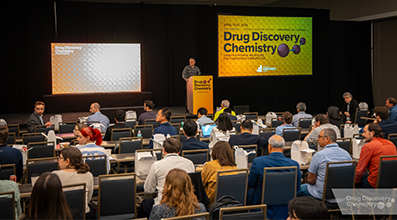
Explore upcoming conferences and scientific meetings where you can connect with our team.

At Sygnature Discovery, we deliver world-leading drug discovery solutions to accelerate your compound from idea to clinic.

Our leadership team brings diverse experience and insight, driving collaboration and innovation across drug discovery.

Explore careers at Sygnature Discovery and join a global team committed to science, collaboration, and integrity.
Inobrodib, an exciting, first-in-class oral anti-cancer drug in clinical development by CellCentric, was collaboratively designed, synthesised and supported on its pre-clinical journey by an integrated project team at Sygnature Discovery. Inobrodib is now showing promising results in Phase I and II trials for multiple myeloma and other cancer types.
At Sygnature Discovery, we deliver world-leading drug discovery solutions to accelerate your compound from idea to clinic.
Our leadership team brings diverse experience and insight, driving collaboration and innovation across drug discovery.
Explore careers at Sygnature Discovery and join a global team committed to science, collaboration, and integrity.
scientific solutions | in vivo pharmacology
Early safety insights that help you make smarter decisions delivered through tailored in vivo studies, translational expertise, and close scientific partnership.

SUPPORTING YOUR RESEARCH
Our non-regulatory rodent toxicology services provide insight before formal GLP studies begin, with tailored study designs that adapt to your project needs.
We work as a scientific partner guiding study design, interpreting data, and linking findings to your strategy. By identifying potential safety issues early, we help ensure your studies align with long-term goals. Our close collaboration and rapid data turnaround support agile, informed decision-making.

Early safety and tolerability assessments are conducted in naïve and/or relevant in vivo rodent models. These are supported by dose range-finding and maximum tolerated dose studies. We enhance translational understanding through biomarker and mechanistic investigations; all delivered through tailored study designs outside formal regulatory frameworks. By combining in vivo expertise with deep knowledge in pharmacology, pathology, and translational science, we provide a holistic view of compound safety and efficacy.

Our in vivo expertise and integrated capabilities give you meaningful insights that accelerate decisions and reduce risk.
We design study conditions to answer specific safety and tolerability questions with precision.
Our safety assessment span multiple organs and physiological systems, giving you a complete picture.
We connect safety findings to mode of action and translational relevance, helping you understand the “why” behind the data.
We work closely with your team to ensure data generation aligns with your project goals.
By combining scientific depth with flexibility, we help you identify risks early, refine compound selection, and move forward with clarity and confidence.
Resources

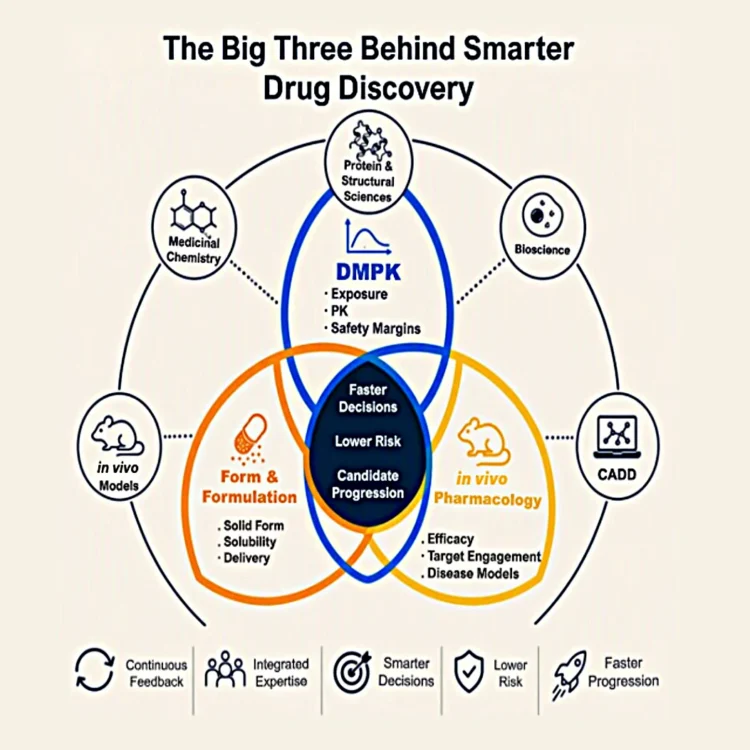

We bring together a dynamic blend of new talent and experienced pharmaceutical industry experts from a round the world, delivering excellence across every stage of discovery.

Integrated solid form and formulation strategies reduce risk, improve stability and solubility, and accelerate progression from candidate selection to clinic.
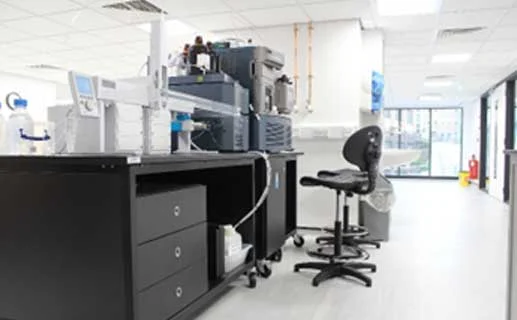
Integrated DMPK solutions combining advanced assays, modeling, and bioanalysis delivering predictive insights that reduce risk and guide candidate selection.

Peak Proteins, NuChem Sciences, and SB Drug Discovery have now fully integrated with Sygnature Discovery.
