


Featured Resources
-
STORM Therapeutics: From Lead to Pre-Candidate Nomination in 18 Months

STORM Therapeutics: From Lead to Pre-Candidate Nomination in 18 Months
Case study


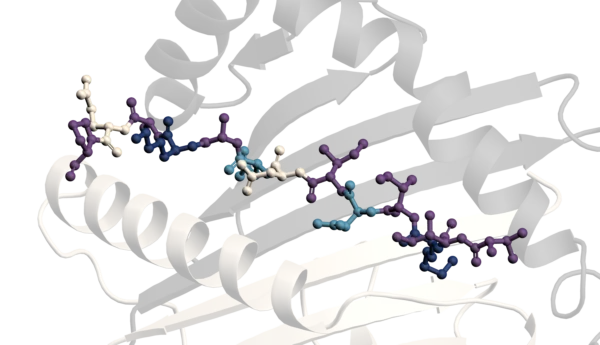


Discover precise insights into brain neurochemistry with Sygnature Discovery's in vivo microdialysis and cOFM services. With over 20 years of expertise, we design bespoke studies that reveal how compounds modulate neurotransmitter systems in health and disease. Using UHPLC/HPLC with electrochemical detection or mass spectrometry, we deliver robust PK/PD data to support confident CNS decision making.


July 30, 2015

Inobrodib, an exciting, first-in-class oral anti-cancer drug in clinical development by CellCentric, was collaboratively designed, synthesized and supported on its pre-clinical journey by an integrated project team at Sygnature Discovery. Inobrodib is now showing promising results in Phase I and II trials for multiple myeloma and other cancer types.

February 3, 2026

Stay up to date with the latest company updates, milestones, and announcements.
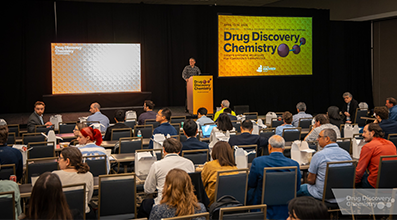
Explore upcoming conferences and scientific meetings where you can connect with our team.

At Sygnature Discovery, we deliver world-leading drug discovery solutions to accelerate your compound from idea to clinic.

Our leadership team brings diverse experience and insight, driving collaboration and innovation across drug discovery.

Explore careers at Sygnature Discovery and join a global team committed to science, collaboration, and integrity.
Inobrodib, an exciting, first-in-class oral anti-cancer drug in clinical development by CellCentric, was collaboratively designed, synthesized and supported on its pre-clinical journey by an integrated project team at Sygnature Discovery. Inobrodib is now showing promising results in Phase I and II trials for multiple myeloma and other cancer types.
At Sygnature Discovery, we deliver world-leading drug discovery solutions to accelerate your compound from idea to clinic.
Our leadership team brings diverse experience and insight, driving collaboration and innovation across drug discovery.
Explore careers at Sygnature Discovery and join a global team committed to science, collaboration, and integrity.
When building a metabolic screening panel, discussions often focus on assay selection.
Should glucose uptake be measured alongside mitochondrial function? Are lipid metabolism endpoints required? Which functional readouts are most predictive of clinical success?
These are important questions. However, they overlook a more fundamental challenge:
How confident are you in the biological system generating your data?
Before selecting assay endpoints, researchers must ensure they are working with cellular models capable of delivering robust, reproducible and biologically relevant results. The quality of a screening panel is ultimately limited by the quality of the cellular platform on which it is built.
Metabolic drug discovery presents unique challenges.
The pathways governing glucose homeostasis, energy expenditure, lipid metabolism and nutrient sensing are highly interconnected. Small differences in target expression, signaling competence or cellular background can influence assay performance and interpretation.
As highlighted in Sygnature Discovery’s cell line generation workflow, successful screening programs begin with careful cellular model design, including:
These considerations are critical for generating reliable assay data downstream because a high-performing screening panel must be engineered to capture the key biological drivers of disease while reliably reflecting complex physiological environments.
The choice of cell model should always align with the biological question being asked.
For example:
Sygnature’s experience across GPCRs, ion channels and SLC transporters demonstrates how thoughtful cell line engineering can significantly improve assay performance and enable more meaningful pharmacological insights.
Rather than maximizing expression alone, the objective is to generate cellular models that provide the optimal combination of assay window, physiological relevance and reproducibility.
One of the most common sources of screening risk is assuming target expression equates to target functionality.
In reality, expression is only the beginning.
Sygnature’s validation process combines:
to confirm that selected clones express the target appropriately and display the expected pharmacological profile.
The workflow illustrated in the cell line generation process demonstrates how clone screening and pharmacological assessment are integrated before progression to assay deployment.
This validation helps ensure that downstream screening decisions are based on real biology rather than artefacts arising from poorly characterized cellular systems.
A common misconception is that assay development is about creating distinct assays.
In practice, modern drug discovery increasingly relies on integrated screening platforms that provide a multidimensional view of compound activity.
A metabolic screening panel may combine:
Success depends on the ability of each assay to generate data that can be complemented and interpreted with confidence.
That confidence starts with the underlying cell model.
High-throughput screening remains an important consideration, but throughput alone does not determine the value of a screening strategy.
The most successful drug discovery programs generate data that support confident decision-making at every stage, from target validation through hit identification and lead optimization.
As cell-based models become increasingly sophisticated, the relationship between cell line generation and assay development becomes more important than ever.
The question is no longer simply:
“Which assay should we run?”
Instead, researchers should ask:
“Do we have the right biological system to trust the answer?”
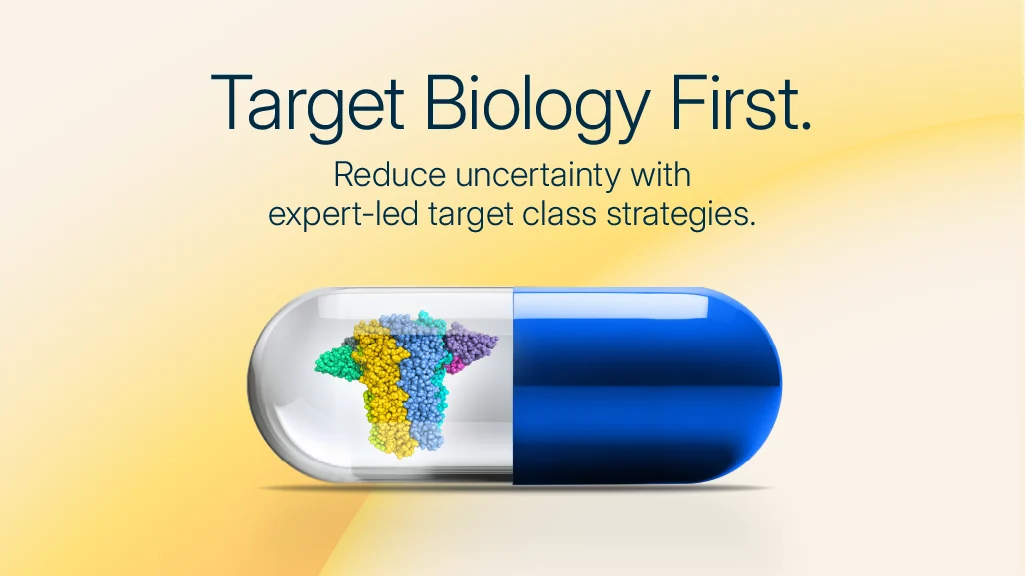
Building a metabolic screening panel is about far more than selecting functional readouts. It requires thoughtful consideration of target biology, cellular context, assay design and validation strategy. By investing in robust cell line generation and characterization from the outset, researchers can create screening platforms that deliver meaningful pharmacological insight and ultimately greater confidence in critical drug discovery decisions.


Peak Proteins, NuChem Sciences, and SB Drug Discovery have now fully integrated with Sygnature Discovery.