



Featured Resources
-
STORM Therapeutics: From Lead to Pre-Candidate Nomination in 18 Months

STORM Therapeutics: From Lead to Pre-Candidate Nomination in 18 Months
Case study




Discover precise insights into brain neurochemistry with Sygnature Discovery's in vivo microdialysis and cOFM services. With over 20 years of expertise, we design bespoke studies that reveal how compounds modulate neurotransmitter systems in health and disease. Using UHPLC/HPLC with electrochemical detection or mass spectrometry, we deliver robust PK/PD data to support confident CNS decision making.


July 30, 2015

Inobrodib, an exciting, first-in-class oral anti-cancer drug in clinical development by CellCentric, was collaboratively designed, synthesised and supported on its pre-clinical journey by an integrated project team at Sygnature Discovery. Inobrodib is now showing promising results in Phase I and II trials for multiple myeloma and other cancer types.

In drug discovery, generating targets is no longer the challenge. The real question is how to identify the few worth investing months of research and significant resources to pursue. Hear expert perspectives on how AI, pathway analysis and scientific expertise are shaping modern target identification.
July 7, 2026

Stay up to date with the latest company updates, milestones, and announcements.
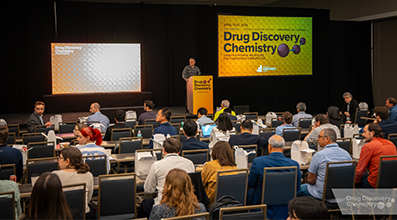
Explore upcoming conferences and scientific meetings where you can connect with our team.

At Sygnature Discovery, we deliver world-leading drug discovery solutions to accelerate your compound from idea to clinic.

Our leadership team brings diverse experience and insight, driving collaboration and innovation across drug discovery.

Explore careers at Sygnature Discovery and join a global team committed to science, collaboration, and integrity.
Inobrodib, an exciting, first-in-class oral anti-cancer drug in clinical development by CellCentric, was collaboratively designed, synthesised and supported on its pre-clinical journey by an integrated project team at Sygnature Discovery. Inobrodib is now showing promising results in Phase I and II trials for multiple myeloma and other cancer types.
At Sygnature Discovery, we deliver world-leading drug discovery solutions to accelerate your compound from idea to clinic.
Our leadership team brings diverse experience and insight, driving collaboration and innovation across drug discovery.
Explore careers at Sygnature Discovery and join a global team committed to science, collaboration, and integrity.
Chronic pain remains one of the most challenging therapeutic areas in drug discovery. Despite decades of research and numerous genetically validated targets, translating compelling preclinical biology into effective medicines has proven difficult.
One reason is that pain is not a single disease. Even patients sharing the same diagnosis may be driven by different underlying biological mechanisms. Understanding which pathways remain therapeutically relevant throughout disease progression is becoming increasingly important when evaluating novel therapeutic targets.
Recent research, conducted by Varghese et al. (2026), highlights the role of transient receptor potential melastatin 2 (TRPM2) in chronic pain, providing an interesting example of this challenge.
Historically, TRPM2 has primarily been associated with immune and inflammatory processes. The channel is expressed in both immune cells and sensory neurons, and previous studies suggested that its contribution to chronic pain was largely indirect through the promotion of inflammatory responses.
New evidence, however, suggests a more direct role.
Researchers have provided evidence that neuronal TRPM2 can function as a direct pain transducer, with effects that appear largely independently of immune-mediated effects. Both chronic arthritis-associated pain and neuropathic pain were significantly reduced
following neuronal TRPM2 deletion, while inflammatory responses remained largely unchanged.
Perhaps most notably, pharmacological inhibition of TRPM2 rapidly reversed established pain behaviors in preclinical models.
These findings suggest that TRPM2 may represent a convergence point where multiple inflammatory signals directly activate sensory neurons.
While the identification of a novel pain mechanism is noteworthy, the most compelling aspect of the study may be what it reveals about therapeutic opportunity.
In inflammatory arthritis models, TRPM2 dependence remained strong and persistent throughout disease progression. Local inhibition was able to reverse established pain even when inflammation remained present.
In neuropathic pain models, however, a different picture emerged.
TRPM2 played a significant role early after nerve injury, with both genetic deletion and pharmacological inhibition reducing pain hypersensitivity. Yet by later stages, knockout animals developed pain behaviors comparable to wild-type controls and pharmacological inhibition lost efficacy.
This suggests that the biological mechanisms maintaining pain can evolve over time.
For drug discovery teams, this raises an important question:
Is target expression sufficient, or must target biology remain relevant throughout the stages of disease where treatment will be administered?
TRP channels have long attracted attention as potential therapeutic targets.
Members of the family, including TRPV1, TRPA1, TRPM8 and more recently TRPM2, have all demonstrated compelling links to sensory signaling, inflammation and nociception.
Yet the history of pain drug discovery has repeatedly shown that identifying target involvement is only the first step.
Successful programs require a deeper understanding of:
This is where robust and thoughtful cellular pharmacology becomes essential.
As new ion channel targets emerge, high-quality functional characterization is critical for establishing whether compelling biology can translate into a therapeutic opportunity.
At Sygnature Discovery, our ion channel capabilities focus on generating data that provides confidence in critical discovery decisions.
Reflecting the importance of functional validation, our TRP Channel Discovery Platform
combines electrophysiology-based approaches with functional characterization to investigate agonist and antagonist activity across TRP family members. The platform includes established workflows for evaluating channel function and pharmacological modulation.
|
Human TRP Channels
|
||||
|---|---|---|---|---|
|
TRPA1 |
TRPC1 |
TRPM2 |
TRPML1 |
TRPV1 |
|
|
TRPC3 |
TRPM3 |
TRPML2 |
TRPV2 |
|
|
TRPC4 |
TRPM4 |
TRPML3 |
TRPV3 |
|
|
TRPC5 |
TRPM5 |
|
TRPV5 |
|
|
TRPC6 |
TRPM8 |
|
TRPV5 |
|
|
TRPC7 |
|
|
TRPV6 |
The platform utilizes electrophysiological methods that monitor ion channel activity through defined voltage ramp protocols, enabling quantitative assessment of channel modulation.
Importantly, assay generation alone is insufficient. The objective is to understand whether a target demonstrates the biological relevance, pharmacological tractability and translational potential necessary to support progression into discovery programs.
The emergence of TRPM2 as a potential pain target highlights the challenges and opportunities associated with ion channel drug discovery. While novel biology continues to reveal promising therapeutic targets, identifying a disease-relevant mechanism is only the first step. The critical question is whether biology can be robustly translated into a tractable drug discovery program.
For ion channel targets, this requires a comprehensive understanding of target function, pharmacological modulation and the relationship between target engagement and biological outcome. Functional pharmacology plays a central role in generating the evidence needed to determine whether an emerging target warrants further investment.
At Sygnature Discovery, our ion channel expertise supports these critical decisions through electrophysiology, assay development and pharmacological characterization across challenging target classes, including members of the TRP channel family. Our TRP Channel Discovery Platform enables the generation of high-quality functional data that helps characterize channel activity, assess compound effects and build confidence in target tractability.
Whether evaluating established ion channels or newly emerging targets, Sygnature Discovery leverages over 20 years of expertise in ion channel pharmacology, electrophysiology and assay development, to generate the evidence needed to answer those questions and progress programs with confidence.


Peak Proteins, NuChem Sciences, and SB Drug Discovery have now fully integrated with Sygnature Discovery.