



Featured Resources
-
STORM Therapeutics: From Lead to Pre-Candidate Nomination in 18 Months

STORM Therapeutics: From Lead to Pre-Candidate Nomination in 18 Months
Case study




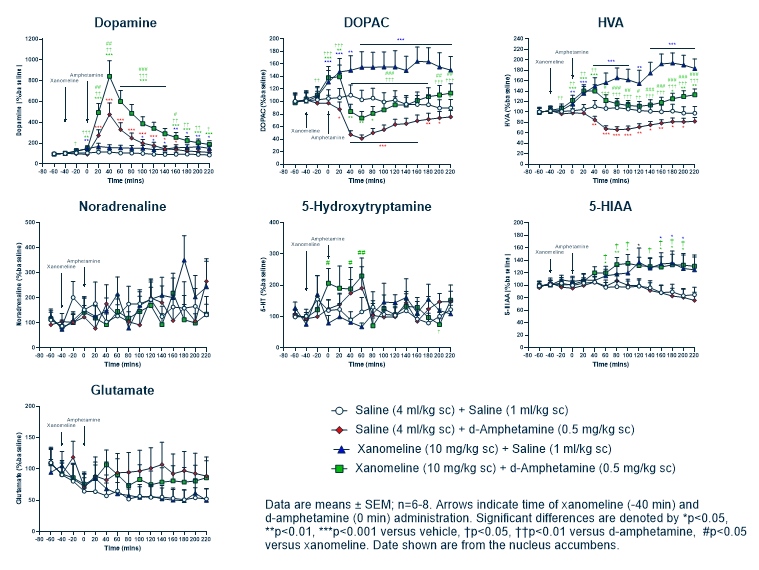
Discover precise insights into brain neurochemistry with Sygnature Discovery's in vivo microdialysis and cOFM services. With over 20 years of expertise, we design bespoke studies that reveal how compounds modulate neurotransmitter systems in health and disease. Using UHPLC/HPLC with electrochemical detection or mass spectrometry, we deliver robust PK/PD data to support confident CNS decision making.


July 30, 2015

Inobrodib, an exciting, first-in-class oral anti-cancer drug in clinical development by CellCentric, was collaboratively designed, synthesised and supported on its pre-clinical journey by an integrated project team at Sygnature Discovery. Inobrodib is now showing promising results in Phase I and II trials for multiple myeloma and other cancer types.

In drug discovery, generating targets is no longer the challenge. The real question is how to identify the few worth investing months of research and significant resources to pursue. Hear expert perspectives on how AI, pathway analysis and scientific expertise are shaping modern target identification.
July 7, 2026

Stay up to date with the latest company updates, milestones, and announcements.
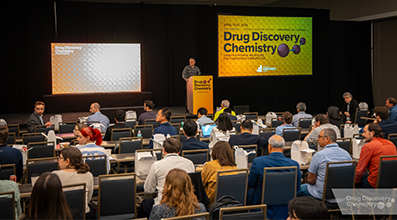
Explore upcoming conferences and scientific meetings where you can connect with our team.

At Sygnature Discovery, we deliver world-leading drug discovery solutions to accelerate your compound from idea to clinic.

Our leadership team brings diverse experience and insight, driving collaboration and innovation across drug discovery.

Explore careers at Sygnature Discovery and join a global team committed to science, collaboration, and integrity.
Inobrodib, an exciting, first-in-class oral anti-cancer drug in clinical development by CellCentric, was collaboratively designed, synthesised and supported on its pre-clinical journey by an integrated project team at Sygnature Discovery. Inobrodib is now showing promising results in Phase I and II trials for multiple myeloma and other cancer types.
At Sygnature Discovery, we deliver world-leading drug discovery solutions to accelerate your compound from idea to clinic.
Our leadership team brings diverse experience and insight, driving collaboration and innovation across drug discovery.
Explore careers at Sygnature Discovery and join a global team committed to science, collaboration, and integrity.
The CYP3A4 (Midazolam) kinact/KI assay is designed to quantify the time-dependent inhibition (TDI) potential of compounds against the major drug-metabolising enzyme CYP3A4 using human liver microsomes. This assay evaluates the irreversible or quasi-irreversible inhibition that occurs when compounds form metabolite–enzyme complexes, ultimately affecting drug disposition and potential drug–drug interactions. Midazolam, an FDA-recommended probe substrate for CYP3A4 inhibition studies, is used to monitor enzyme activity, while LC–MS/MS detection ensures high analytical sensitivity and specificity. The approach allows precise determination of kinact, the maximal rate of enzyme inactivation, and KI, the inhibitor concentration at half-maximal inactivation rate. Together these parameters produce the kinact/KI ratio, an important metric for ranking irreversible inhibitors and assessing clinical relevance. Human liver microsomes, pooled across mixed gender donors, ensure biological relevance and translational value. This assay supports drug discovery teams by revealing potential CYP3A4 liabilities early, enabling optimisation of compound design before progressing to more costly studies. As CYP3A4 is responsible for metabolism of over half of marketed drugs, the ability to identify inhibitory liabilities early enhances safety assessment and reduces the risk of late-stage clinical failure.
The validation followed a structured process beginning with preparation of test compounds in DMSO and serial dilution to generate a suitable concentration range. Diluted solutions were introduced into pre-incubation plates, after which human liver microsomes were thawed, diluted and added. After an initial equilibration period, NADPH was added to initiate pre-incubation, with staggered timing ensuring consistent termination of all reactions. In parallel, Midazolam substrate solutions were prepared and added to a separate incubation plate. At the conclusion of each pre-incubation time point, a small aliquot was transferred to the incubation plate, initiating the secondary incubation and allowing residual CYP3A4 activity to be quantified. Reactions were stopped by addition to cold acetonitrile, promoting protein precipitation. Following centrifugation, supernatants were diluted with internal standard solution and analysed by LC–MS/MS. Activity values were then used to derive Kobs values via linear regression across time points at each inhibitor concentration. These Kobs values were subsequently fitted by non-linear regression to derive kinact and KI parameters. Replicate analysis and comparison with literature controls ensured assay robustness and reproducibility.
Validation of the CYP3A4 (Midazolam) kinact/KI assay demonstrated robust performance, strong reproducibility, and alignment with established literature values. Mifepristone was used as the positive control to benchmark the system, generating nine independent determinations across the validation exercise. The resulting kinact, KI and kinact/KI metrics showed high consistency and fell within expected ranges, demonstrating the suitability of the assay for reliable assessment of time-dependent inhibition. The mean kinact value obtained for Mifepristone was 0.0871 min⁻¹ in line with expectations. KI was similarly aligned, with a measured mean of 3.17 µM. The resulting kinact/KI ratio was 29.0 min⁻¹ mM⁻¹, again comparable to literature. Coefficients of variation across nine assays were low for kinact (14.2%), KI (32.7%) and kinact/KI (18.7%), demonstrating tight clustering and analytical reproducibility. Together these metrics confirm that the assay reliably quantifies CYP3A4 enzyme inactivation kinetics and is suitable for screening compounds. The strong concordance with literature further supports the scientific validity of the methodology.

1 Zimmerlin, A., Trunzer, M., & Faller, B. (2011). CYP3A Time Dependent Inhibition Risk Assessment Validated with 400 Reference Drugs. Drug Metabolism and Disposition, 1039-1046.


Peak Proteins, NuChem Sciences, and SB Drug Discovery have now fully integrated with Sygnature Discovery.