


Featured Resources
-
STORM Therapeutics: From Lead to Pre-Candidate Nomination in 18 Months

STORM Therapeutics: From Lead to Pre-Candidate Nomination in 18 Months
Case study




Discover precise insights into brain neurochemistry with Sygnature Discovery's in vivo microdialysis and cOFM services. With over 20 years of expertise, we design bespoke studies that reveal how compounds modulate neurotransmitter systems in health and disease. Using UHPLC/HPLC with electrochemical detection or mass spectrometry, we deliver robust PK/PD data to support confident CNS decision making.


July 30, 2015

Inobrodib, an exciting, first-in-class oral anti-cancer drug in clinical development by CellCentric, was collaboratively designed, synthesised and supported on its pre-clinical journey by an integrated project team at Sygnature Discovery. Inobrodib is now showing promising results in Phase I and II trials for multiple myeloma and other cancer types.

In drug discovery, generating targets is no longer the challenge. The real question is how to identify the few worth investing months of research and significant resources to pursue. Hear expert perspectives on how AI, pathway analysis and scientific expertise are shaping modern target identification.
July 7, 2026

Stay up to date with the latest company updates, milestones, and announcements.
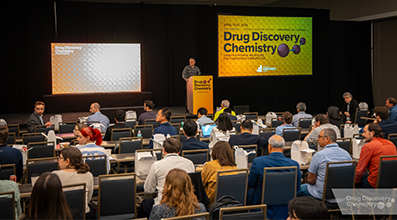
Explore upcoming conferences and scientific meetings where you can connect with our team.

At Sygnature Discovery, we deliver world-leading drug discovery solutions to accelerate your compound from idea to clinic.

Our leadership team brings diverse experience and insight, driving collaboration and innovation across drug discovery.

Explore careers at Sygnature Discovery and join a global team committed to science, collaboration, and integrity.
Inobrodib, an exciting, first-in-class oral anti-cancer drug in clinical development by CellCentric, was collaboratively designed, synthesised and supported on its pre-clinical journey by an integrated project team at Sygnature Discovery. Inobrodib is now showing promising results in Phase I and II trials for multiple myeloma and other cancer types.
At Sygnature Discovery, we deliver world-leading drug discovery solutions to accelerate your compound from idea to clinic.
Our leadership team brings diverse experience and insight, driving collaboration and innovation across drug discovery.
Explore careers at Sygnature Discovery and join a global team committed to science, collaboration, and integrity.
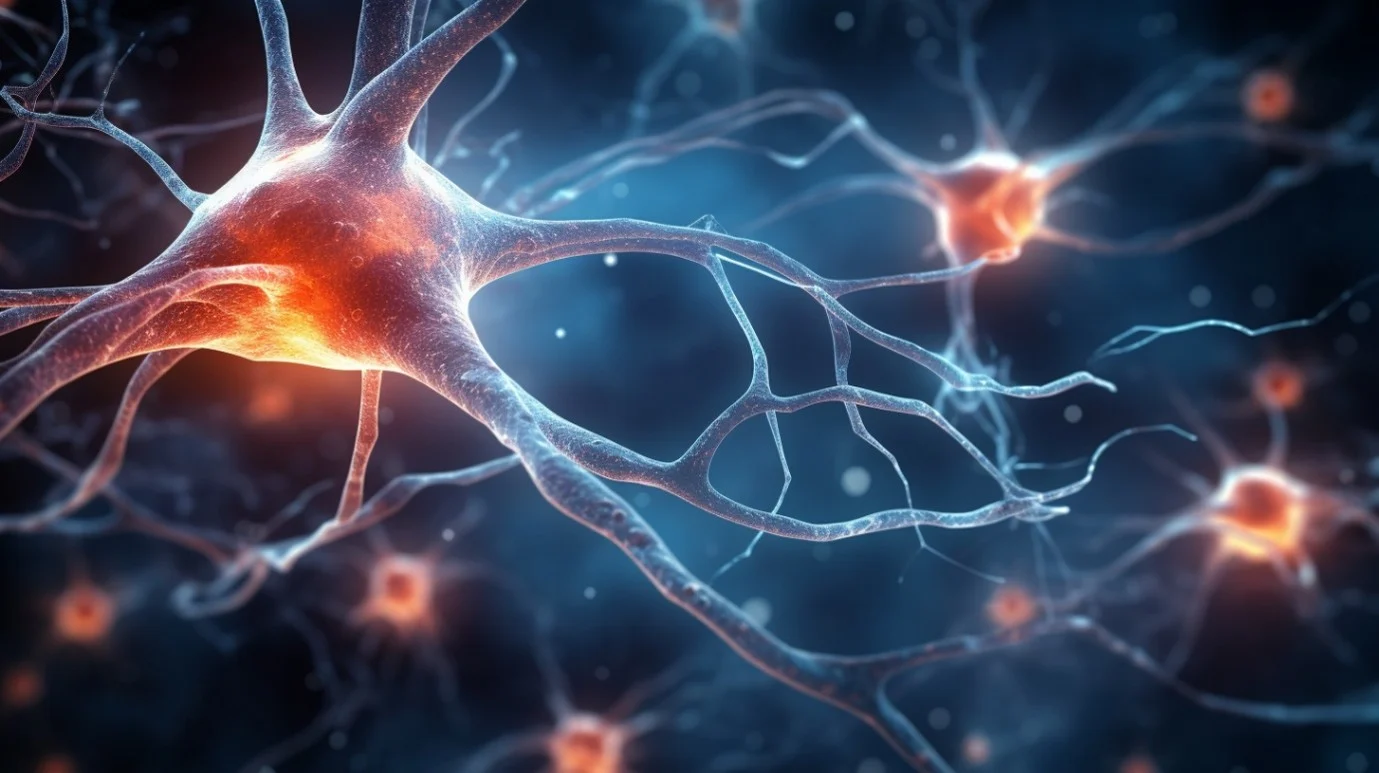
Few areas of drug discovery are as challenging as neuroscience.
Over the past decade, our understanding of the central nervous system (CNS) has grown dramatically. New targets continue to emerge, disease mechanisms are becoming clearer, and advances in human-relevant models are offering fresh opportunities to tackle some of the world’s most challenging diseases. Yet despite this progress, CNS drug discovery continues to experience some of the highest attrition rates in the industry.
Part of the challenge lies in the biology itself.
The brain is obviously an incredibly complex organ, where multiple cell types interact through tightly regulated signaling networks. Success depends on far more than simply identifying a target and demonstrating activity against it. Researchers must not only understand increasingly complex disease biology but also develop therapies capable of crossing the blood-brain barrier, engaging their targets, and delivering meaningful clinical benefit. While our knowledge of neuroscience has expanded dramatically, translating promising preclinical findings into successful therapies remains a significant challenge.
Researchers need confidence that the biology they are studying reflects what happens in a disease setting and that the pharmacological effects they observe are likely to remain meaningful as programs progress through clinical phases. This is where cellular pharmacology can play a pivotal role.
At Sygnature Discovery, the Cellular Pharmacology team works across a broad range of CNS programs, helping clients understand not only whether compounds interact with a target, but how those interactions influence cellular function and disease-relevant biology.
The team supports projects from target validation through hit identification and lead optimization, developing tailored assay strategies that answer specific questions throughout the drug discovery process.
In CNS research, understanding target biology often requires a combination of approaches. While binding assays can tell us whether a compound interacts with its target, functional assays help reveal the nature of the downstream effects.
Answering these questions early can help reduce uncertainty later in development. Ultimately, saving both time and cost.
Many therapeutic opportunities in neuroscience involve target classes that are inherently difficult to study.
GPCRs remain one of the most important classes of drug targets in CNS research, playing critical roles in neurotransmission, cognition, mood regulation, and neurodegeneration. Likewise, ion channels are central to neuronal excitability and have long been key targets in areas such as epilepsy, pain, and neuropsychiatric disease. Transporters are another important but often challenging area, particularly where assessing substrate movement and cellular uptake is essential to evaluating therapeutic impact. Technologies such as SURFE²R enable direct electrophysiological measurement of transporter activity, providing valuable mechanistic insight that may be difficult to obtain through indirect assays alone.
Sygnature Discovery’s Cellular Pharmacology scientists have over 20 years of experience developing and applying functional assays across these target classes, generating the mechanistic insight needed to support informed decisions.
A common challenge in CNS drug discovery is balancing experimental throughput with biological relevance.
Early-stage programs often begin with recombinant expression systems, where a target of interest, such as a GPCR, ion channel, or transporter, is introduced into a host cell to enable robust and reproducible pharmacological studies. These systems are invaluable for target validation, assay development, and screening because they provide controlled conditions and consistent target expression. For example, a HEK293 cell line expressing a dopamine receptor or a CHO cell line engineered to express a CNS ion channel can provide a reliable platform for understanding compound activity and generating early structure-activity relationship (SAR) data.
However, as programs mature, researchers frequently need a deeper understanding of how compounds behave in more physiologically relevant environments.
This is why selecting the right cellular model is so important.
In many cases, obtaining meaningful pharmacology data begins long before screening starts. Developing robust cellular assays depends on having the right biological tools in place from the outset. Sygnature Discovery’s expertise in custom cell line generation enables the creation of reliable and reproducible cellular systems tailored to specific targets, pathways, and project objectives.
These engineered cell lines may be designed to stably express a target of interest, incorporate disease-relevant mutations, co-express signaling partners, or contain reporter systems that enable functional pharmacology studies. Examples include GPCR reporter cell lines for characterizing receptor signaling, transporter-expressing cell lines for uptake studies, or ion channel models developed for electrophysiological profiling using platforms such as SyncroPatch.
Whether supporting target validation, assay development, hit identification, or lead optimization, well-characterized cell models provide the foundation for generating data that researchers can trust.
The Cellular Pharmacology team works with a range of cellular systems, from engineered recombinant cell lines through to more complex disease-relevant models, depending on the scientific question being addressed. As projects advance, this may include moving into more physiologically relevant systems to better understand target biology, mechanism of action, and compound behavior within a more complex cellular context. By tailoring models to specific project objectives, researchers can gain a more complete assessment of target pharmacology while minimizing unnecessary complexity.
Importantly, the goal is not always to use the most complex cellular model available. Rather, it is to select the model that provides the most appropriate level of biological insight for the question being asked, helping generate decision-quality data and confidence in critical drug discovery decisions.
In drug discovery, potency is often one of the first metrics examined. But in neuroscience, potency alone is rarely enough to tell the whole story.
Two compounds may appear similar based on affinity or potency measurements yet behave very differently once they encounter the complexity of cells in the CNS environment. For ion channel targets, automated patch clamp platforms such as SyncroPatch enable detailed functional characterization at significantly greater throughput than traditional electrophysiology approaches, helping researchers rapidly evaluate compound activity while maintaining high-quality electrophysiological data.
Understanding receptor signaling, pathway activation, desensitization, kinetic behavior, and cellular context can provide insights that are difficult to capture through single endpoint measurements alone.
By combining functional pharmacology with mechanistic investigation, Sygnature Discovery helps clients build a more complete picture of compound behavior before advancing compounds into more resource-intensive studies.
One of the most common causes of attrition in drug discovery is the disconnect between biochemical activity and cellular function. A compound may demonstrate strong potency against an isolated target yet fail to engage that same target effectively within a more complex biological environment.
In CNS drug discovery, determining whether a compound engages its intended target within relevant cellular systems can provide valuable mechanistic evidence and help build confidence before advancing into more resource-intensive studies. Depending on the target and mechanism under investigation, approaches such as NanoBRET can provide additional insight into intracellular target engagement and compound behavior in living cells.
Sygnature Discovery supports target engagement strategies that complement traditional pharmacology approaches, helping researchers better understand whether observed biological effects are truly driven by the intended mechanism of action.
The scientific landscape within neuroscience continues to evolve rapidly.
Alongside traditional approaches targeting neuronal signaling pathways, there is growing interest in areas such as neuroinflammation, neuroimmune interactions, and cell-cell communication within the CNS microenvironment.
Increasing evidence suggests that diseases such as Alzheimer’s disease, Parkinson’s disease, ALS, and multiple sclerosis are influenced not only by neuronal dysfunction, but also by interactions between neurons, microglia, astrocytes, and other supporting cell populations. Characterizing these relationships is becoming increasingly important when evaluating novel therapeutic strategies.
Cellular pharmacology approaches that capture these complex interactions can help researchers move beyond single-target biology and gain a broader understanding of disease mechanisms and therapeutic potential.
These emerging areas require assay platforms capable of capturing complex biology while still delivering robust and reproducible data. Cellular pharmacology is playing an increasingly important role in bridging that gap.
Ultimately, successful CNS drug discovery is not about running more assays or generating larger datasets.
It is about generating the right evidence at the right time.
Whether validating a novel target, characterizing mechanism of action, understanding receptor pharmacology, or selecting compounds for progression, researchers need data that can support confident decision-making.
At Sygnature Discovery, the Cellular Pharmacology team combines expertise in assay development, functional pharmacology, complex target biology, and cellular model design to help clients navigate the challenges of neuroscience drug discovery. By focusing on biologically meaningful experiments and decision-quality data, the team helps transform complex CNS biology into actionable insight.
Because in CNS drug discovery, success is rarely determined by how much data you generate. It is determined by how confidently you can act on it.

Peak Proteins, NuChem Sciences, and SB Drug Discovery have now fully integrated with Sygnature Discovery.