


Featured Resources
-
STORM Therapeutics: From Lead to Pre-Candidate Nomination in 18 Months

STORM Therapeutics: From Lead to Pre-Candidate Nomination in 18 Months
Case study


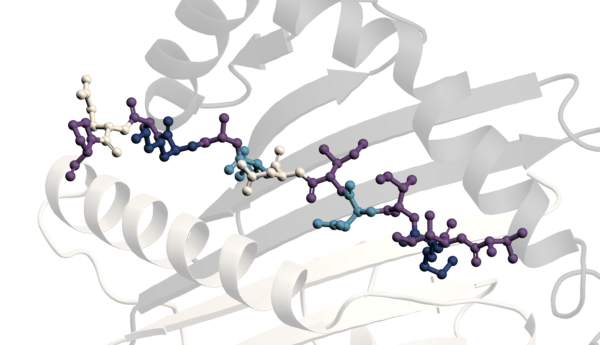


Discover precise insights into brain neurochemistry with Sygnature Discovery's in vivo microdialysis and cOFM services. With over 20 years of expertise, we design bespoke studies that reveal how compounds modulate neurotransmitter systems in health and disease. Using UHPLC/HPLC with electrochemical detection or mass spectrometry, we deliver robust PK/PD data to support confident CNS decision making.


July 30, 2015

Inobrodib, an exciting, first-in-class oral anti-cancer drug in clinical development by CellCentric, was collaboratively designed, synthesised and supported on its pre-clinical journey by an integrated project team at Sygnature Discovery. Inobrodib is now showing promising results in Phase I and II trials for multiple myeloma and other cancer types.

In drug discovery, generating targets is no longer the challenge. The real question is how to identify the few worth investing months of research and significant resources to pursue. Hear expert perspectives on how AI, pathway analysis and scientific expertise are shaping modern target identification.
July 7, 2026

Stay up to date with the latest company updates, milestones, and announcements.
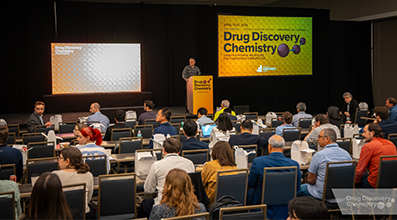
Explore upcoming conferences and scientific meetings where you can connect with our team.

At Sygnature Discovery, we deliver world-leading drug discovery solutions to accelerate your compound from idea to clinic.

Our leadership team brings diverse experience and insight, driving collaboration and innovation across drug discovery.

Explore careers at Sygnature Discovery and join a global team committed to science, collaboration, and integrity.
Inobrodib, an exciting, first-in-class oral anti-cancer drug in clinical development by CellCentric, was collaboratively designed, synthesised and supported on its pre-clinical journey by an integrated project team at Sygnature Discovery. Inobrodib is now showing promising results in Phase I and II trials for multiple myeloma and other cancer types.
At Sygnature Discovery, we deliver world-leading drug discovery solutions to accelerate your compound from idea to clinic.
Our leadership team brings diverse experience and insight, driving collaboration and innovation across drug discovery.
Explore careers at Sygnature Discovery and join a global team committed to science, collaboration, and integrity.
Allan Jordan, PhD — Senior Vice President, Oncology Drug Discovery, Research Management Joshua Greally, PhD — ADC Discovery Consultant
Catch up on our ADC development series on YouTube to hear more expert insights.
Antibody-drug conjugates (ADCs) have revolutionized targeted cancer therapy, but discussions often focus on the antibody and the cytotoxic payload, leaving ADC linker technology as an overlooked component. In reality, the nature and behaviour of the chemical bridge between antibody and payload is a pivotal aspect that significantly influences ADC efficacy, selectivity and stability. Here, we a closer look at why linkers matter and how they contribute to the overall performance of ADCs.
One of the fundamental considerations in ADC design is the linker’s biophysical properties, as they directly impact the molecule’s stability, manufacturability and half-life. For instance, more hydrophobic linkers tend to cause biophysical complications such as aggregation and solubility, while more hydrophilic linkers can limit the impact on the biophysical and developability profile of the ADC but add synthetic complexity.
Another critical factor is the choice between cleavable and non-cleavable linkers. Cleavable linkers are generally preferred when targeting intracellular mechanisms, as they facilitate the controlled release of the cytotoxic payload at the intended site of action. However, they must be carefully designed to avoid non-specific or systemic cleavage, which can lead to off-target side-effects. Non-cleavable linkers do have other benefits as enhanced stability ensures that the payload remains intact until the ADC is internalized and degraded within the lysosome. However, non-cleavable linkers can bring their own challenges, with extended half-lives leading to tissue accumulation (and potential side-effects). Additionally their degradation, which is critical for payload release, can often leaving an unwanted chemical “stub” on the payload, which may impinge upon activity.
The nature of the conjugation technology also plays a significant role in the overall stability and homogeneity of ADCs. Techniques such as site-specific conjugation using non-canonical amino acid insertion, engineered reactive handles or enzymatic methods can better control the drug-to-antibody ratio (DAR), reducing heterogeneity and minimizing the impact on biophysical properties. Achieving homogeneity helps ensure that every molecule performs predictably, improving consistency of effect despite inherent variability among patients.
The conjugation position itself can also drastically affect half-life and stability. For example, the use of improper conjugation sites can result in over five-fold reductions in half-life, underscoring the importance of precise ADC engineering. Site-specific conjugation methods offer more rational approaches to maintaining consistency in DAR and reducing heterogeneity.
Looking ahead, the integration of innovative conjugation techniques and deeper understanding of linker characteristics and increasing cleavage selectivity will undoubtedly shape the next generation of ADCs. By addressing the interplay between the linker, payload, and conjugation strategies, we can develop more efficient and stable ADCs, ultimately improving therapeutic outcomes and quality of life for patients.
Linkers are no longer the unsung heroes of ADCs. They are now seen as integral to achieving the desired therapeutic effect and will continue to evolve as an essential component of next-generation antibody-drug conjugates.
Learn more about Sygnature’s ADC capabilities here.
Part 1: Exploring new paths in ADC development
Part 2: What’s the Evolving Role of Medicinal Chemistry in ADC Development?
Part 4: Toxicity & Efficacy in ADCs: How to Get it Right
Part 5: 3 Transformative Changes in ADC Development Over the Next Decade


Dr. Allan Jordan is Vice President of Oncology Drug Discovery at Sygnature Discovery. He has extensive experience developing targeted therapeutics and advancing integrated drug discovery programs. Drawing on a background in medicinal chemistry, he focuses on optimizing payload properties and designing antibody-drug conjugates to improve clinical tolerability, ensuring that novel therapeutics can successfully navigate the complexities of late-stage development.
Dr. Joshua Greally is ADC Lead at Sygnature Discovery. With a foundation in medicinal chemistry, bioconjugation and ADC discovery, he guides the strategic design of next-generation antibody-drug conjugates. He specializes in taking a holistic approach to ADC development, matching antigen biology with novel payloads to overcome clinical tolerability issues and enhance targeted delivery mechanisms. Ultimately helping to bridge the gap between early discovery and successful IND submission.
An ADC linker is the chemical bridge that attaches the payload to the antibody. It has to hold the payload securely in circulation and then release it at the intended site of action. Its chemistry directly affects factors such as an ADC’s stability, half-life, manufacturability and therapeutic window.
Cleavable linkers release the payload in response to a trigger such as lysosomal enzymes or low pH, allowing controlled release inside the target cell and enabling the bystander effect. Non-cleavable linkers rely on complete degradation of the antibody to release the payload, which improves plasma stability but can limit efficacy where the ADC is not fully degraded.
Site-specific conjugation attaches the linker-payload at defined positions on the antibody, using approaches such as engineered cysteines, non-canonical amino acids or enzymatic methods. It can produce a homogeneous ADC with a controlled drug-to-antibody ratio (DAR), which improves consistency, stability and pharmacokinetics compared with random conjugation.
DAR is the average number of payload molecules attached to each antibody. Understanding, and control, of DAR can be critical for ADC developability and in vivo efficacy. Improved conjugation technologies can now allow more precise control of DAR and reduce heterogeneity of the ADC, improving overall properties.
More hydrophobic linkers tend to reduce solubility and promote the risk of aggregation, especially at higher DAR. More hydrophilic linkers reduce these effects and improve the developability profile, which is why hydrophilic linker design has become a key focus of next-generation ADCs.
Linker stability is evaluated at all stages of design. From simple enzymatic and kinetic assays to monitor linker/payload integrity and payload release in vitro, through to the full in vivo characterisation of the entire ADC, our DMPK team can monitor the evolution of linkers from prototypical exemplars through to optimised systems for incorporation into candidate therapeutics. Our modular linker library allows the focussed design and evaluation of linkers to address questions around linker physicochemistry and cleavage mechanism, to deliver ADCs which are optimised for the target indication.
Peak Proteins, NuChem Sciences, and SB Drug Discovery have now fully integrated with Sygnature Discovery.