Featured Resources
-
STORM Therapeutics: From Lead to Pre-Candidate Nomination in 18 Months

STORM Therapeutics: From Lead to Pre-Candidate Nomination in 18 Months
Case study




Discover precise insights into brain neurochemistry with Sygnature Discovery's in vivo microdialysis and cOFM services. With over 20 years of expertise, we design bespoke studies that reveal how compounds modulate neurotransmitter systems in health and disease. Using UHPLC/HPLC with electrochemical detection or mass spectrometry, we deliver robust PK/PD data to support confident CNS decision making.


July 30, 2015
Inobrodib, an exciting, first-in-class oral anti-cancer drug in clinical development by CellCentric, was collaboratively designed, synthesized and supported on its pre-clinical journey by an integrated project team at Sygnature Discovery. Inobrodib is now showing promising results in Phase I and II trials for multiple myeloma and other cancer types.

In drug discovery, generating targets is no longer the challenge. The real question is how to identify the few worth investing months of research and significant resources to pursue. Hear expert perspectives on how AI, pathway analysis and scientific expertise are shaping modern target identification.
July 7, 2026
Stay up to date with the latest company updates, milestones, and announcements.
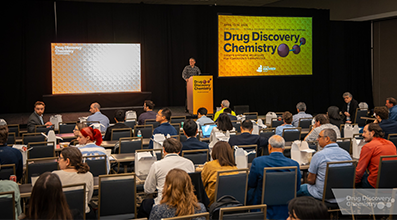
Explore upcoming conferences and scientific meetings where you can connect with our team.

At Sygnature Discovery, we deliver world-leading drug discovery solutions to accelerate your compound from idea to clinic.

Our leadership team brings diverse experience and insight, driving collaboration and innovation across drug discovery.

Explore careers at Sygnature Discovery and join a global team committed to science, collaboration, and integrity.
Inobrodib, an exciting, first-in-class oral anti-cancer drug in clinical development by CellCentric, was collaboratively designed, synthesized and supported on its pre-clinical journey by an integrated project team at Sygnature Discovery. Inobrodib is now showing promising results in Phase I and II trials for multiple myeloma and other cancer types.
At Sygnature Discovery, we deliver world-leading drug discovery solutions to accelerate your compound from idea to clinic.
Our leadership team brings diverse experience and insight, driving collaboration and innovation across drug discovery.
Explore careers at Sygnature Discovery and join a global team committed to science, collaboration, and integrity.
Catch up on our ADC development series on YouTube to hear more expert insights or read our publication in ACS Bioconjugate Chemistry.
Antibody-drug conjugates (ADCs) are steadily gaining traction as a powerful approach in targeted cancer therapy. While traditionally seen as a way to deliver cytotoxic payloads, ADCs are evolving into versatile delivery systems for small molecules that previously may have been limited by poor pharmacokinetics (PK), poor tissue delivery, or intolerable on-target mechanistic toxicity. By leveraging ADCs as a delivery mechanism, we are now beginning to repurpose and rescue anti-cancer agents that may once have been deemed clinically unviable.
A crucial yet often overlooked aspect of ADC payload development is the role of medicinal chemistry. Understanding the nature of the payload—its pharmacokinetics and behavior after being released from the ADC—is essential for optimizing therapeutic outcomes. The challenge lies in deciding the desired characteristics of the payload, such as metabolic breakdown, potency, permeability, and efflux. By intentionally incorporating metabolic instability, we can optimize payloads that break down upon entering the systemic circulation, reducing toxicity while maintaining biological efficacy. This approach mirrors techniques used in areas such as respiratory medicine, where molecules are designed to act locally (for example, in the lungs) but degrade once absorbed systemically.
Overcoming ADC Chemistry Challenges: Therapeutic Window and Payload Optimization
A constant challenge in the ADC field is managing cytotoxicity away from the intended site of action and improving selectivity. Similarly, small molecule therapeutics often struggle to deliver an adequate therapeutic window. Bridging, and optimizing, these two domains offers a unique opportunity: by combining the targeted delivery of ADCs with the targeted therapeutic potential of small molecules, scientists can enhance the therapeutic window beyond that achievable with either approach alone.
Incorporating linker design as an additional factor further expands this potential. The linker acts as a crucial element, dictating how the payload interacts with both the antibody and the target cell. Factors like linker length, composition, and point of attachment must be carefully considered, as they can dramatically influence whether the payload remains therapeutically effective. Achieving this balance is not straightforward—there is a subtle, often empirical interplay between the components that requires meticulous experimentation and optimization by experienced practitioners.
A significant barrier to progress in ADC development has been the divide between small molecule and large molecule experts. Medicinal chemists may be hesitant to engage in large molecule projects, while biologics specialists might feel out of their depth optimizing small molecule payloads. However, uniting these perspectives can spark new ideas and drive innovation. Integrating medicinal chemistry principles into ADC design is now seen as crucial for addressing challenges related to both selectivity and specificity.
This collaborative mindset is essential as the field moves toward more sophisticated ADC architectures. Rather than approaching the problem as separate pieces of a puzzle, researchers must consider the holistic integration of small and large molecule technologies. Bringing together diverse expertise will not only enhance ADC optimization but also unlock new therapeutic possibilities.
The next few years will be pivotal for ADC chemistry as researchers continue to experiment with payload optimization and linker strategies. By fostering collaboration and embracing cross-disciplinary thinking, the potential to overcome current ADC limitations and maximize the impact of targeted therapies is within reach.
Learn more about Sygnature’s ADC capabilities here.
Part 1: Exploring new paths in ADC development
Part 3: Linker Technologies in ADCs: How They Impact Efficacy & Stability
Part 4: Toxicity & Efficacy in ADCs: How to Get it Right
Part 5: 3 Transformative Changes in ADC Development Over the Next Decade
The payload is the small molecule drug carried by an antibody-drug conjugate and released at the target cell. Traditionally a highly potent cytotoxic agent, payloads are increasingly being designed with specific mechanisms of action, defined pharmacokinetics and controlled breakdown so that efficacy is delivered at the tumor with less systemic toxicity.
ADC chemistry covers the small molecule side of an antibody-drug conjugate: designing and optimizing the payload, the linker that attaches it to the antibody, and the conjugation chemistry that joins them. Each aspect affects potency, stability, pharmacokinetics and toxicity, which is why medicinal chemistry expertise is increasingly central to ADC development.
Because the payload is a small molecule, small changes to its structure can dramatically change potency, permeability, metabolism and efflux once it is released. Medicinal chemistry is the discipline that optimizes those properties, so bringing it into ADC design helps widen the therapeutic window rather than relying on the antibody alone.
Also referred to as “engineered fragility”, this means deliberately building a payload so that it is stable and active inside the target cell but breaks down quickly if it reaches systemic circulation. The approach borrows from concepts common in areas such as inhaled respiratory medicines, where therapeutics act locally in the lung and degrade once absorbed, which reduces off-target toxicity without sacrificing efficacy.
Yes. Agents that failed as systemic therapies because of poor pharmacokinetics, poor tissue delivery or on-target toxicity can be reconsidered as payloads, since the antibody handles the selective delivery. We sometimes call these molecules “fallen angels” and a “payload rescue” ADC strategy can give new life to a terminated project, rescuing the investment to date. Medicinal chemistry is then used to tune potency, permeability and metabolic profile for release inside the target cell.
Our co-located teams routinely break down traditional drug discovery silos to work effectively across diverse disciplines. We co-locate medicinal chemists, protein scientists, biochemists and cell biologists with DMPK and in vivo experts to solve problems and challenge hypotheses at all stages of the design and optimization process. In doing so, we draw upon the collective expertise of both small and large molecule experts to deliver highly customized and optimized conjugated therapeutics. These include, but are not limited to, modalities such as ADCs, peptide-drug conjugates and degrader-antibody conjugates.
Peak Proteins, NuChem Sciences, and SB Drug Discovery have now fully integrated with Sygnature Discovery.