


Featured Resources
-
STORM Therapeutics: From Lead to Pre-Candidate Nomination in 18 Months

STORM Therapeutics: From Lead to Pre-Candidate Nomination in 18 Months
Case study




Discover precise insights into brain neurochemistry with Sygnature Discovery's in vivo microdialysis and cOFM services. With over 20 years of expertise, we design bespoke studies that reveal how compounds modulate neurotransmitter systems in health and disease. Using UHPLC/HPLC with electrochemical detection or mass spectrometry, we deliver robust PK/PD data to support confident CNS decision making.


July 30, 2015

Inobrodib, an exciting, first-in-class oral anti-cancer drug in clinical development by CellCentric, was collaboratively designed, synthesised and supported on its pre-clinical journey by an integrated project team at Sygnature Discovery. Inobrodib is now showing promising results in Phase I and II trials for multiple myeloma and other cancer types.

In drug discovery, generating targets is no longer the challenge. The real question is how to identify the few worth investing months of research and significant resources to pursue. Hear expert perspectives on how AI, pathway analysis and scientific expertise are shaping modern target identification.
July 7, 2026

Stay up to date with the latest company updates, milestones, and announcements.
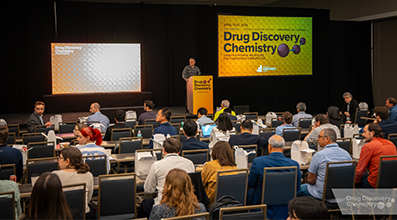
Explore upcoming conferences and scientific meetings where you can connect with our team.

At Sygnature Discovery, we deliver world-leading drug discovery solutions to accelerate your compound from idea to clinic.

Our leadership team brings diverse experience and insight, driving collaboration and innovation across drug discovery.

Explore careers at Sygnature Discovery and join a global team committed to science, collaboration, and integrity.
Inobrodib, an exciting, first-in-class oral anti-cancer drug in clinical development by CellCentric, was collaboratively designed, synthesised and supported on its pre-clinical journey by an integrated project team at Sygnature Discovery. Inobrodib is now showing promising results in Phase I and II trials for multiple myeloma and other cancer types.
At Sygnature Discovery, we deliver world-leading drug discovery solutions to accelerate your compound from idea to clinic.
Our leadership team brings diverse experience and insight, driving collaboration and innovation across drug discovery.
Explore careers at Sygnature Discovery and join a global team committed to science, collaboration, and integrity.
Membrane proteins, such as ion channels, G protein–coupled receptors (GPCRs), and transporters, continue to represent some of the most important therapeutic targets, yet they are also among the most technically challenging to study , especially within a drug discovery context. As a result, the success of a project is not defined solely by identifying the right biological target to interrogate, but also by choosing a partner with the expertise and integrated capabilities needed to fully unlock its potential.
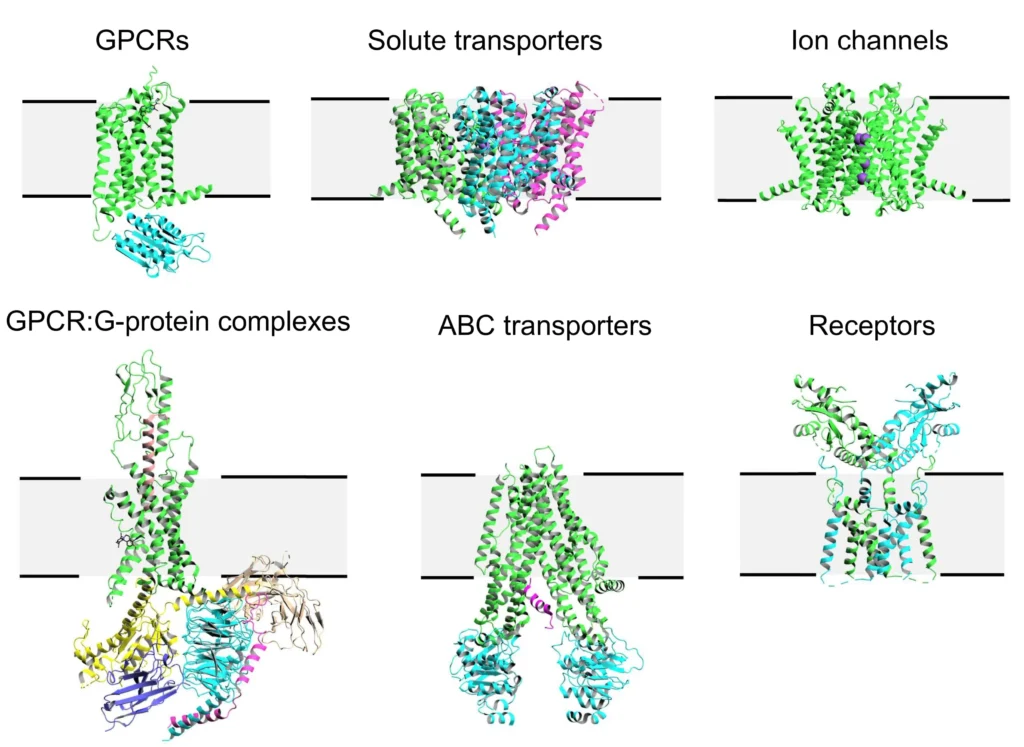
At the heart of this challenge lies the inherently multidisciplinary nature of membrane protein research. Effective drug discovery in this space requires not only an understanding of biological function in a cellular context but also a detailed grasp of molecular structure and mechanism.
Historically, these two dimensions—functional biology and protein science—have often been pursued separately. However, this separation can limit insight and slow progress. Increasingly, the most successful approaches are those that combine both perspectives within a single, cohesive workflow.
Functional insight begins at the cellular level, where membrane proteins carry out their roles in a physiologically relevant environment. Ion channels, for example, require precise measurement of electrical activity or ion flux, while GPCRs depend on a multitude of pathway-specific signalling assays to accurately capture receptor behaviour. Transporters, meanwhile, require carefully engineered systems with the sensitivity to monitor substrate movement across membranes. Developing robust cell-based assays therefore depends on high-quality cell line engineering, from construct design to rigorous clone selection and thoughtful assay design. The added benefit of course is that the membrane protein will be in its natural state with the correct post translational modifications such as glycosylation that can influence the functional activity. When executed effectively, these cellular assay systems provide a highly relevant and predictive platform for screening and identifying promising drug candidates.
It’s clear however that functional data alone is not sufficient. Without an accompanying understanding of structure, researchers risk identifying compounds that demonstrate activity but lack a clear mechanism of action. This is where protein science plays a critical role. By generating stabilised protein constructs, scientists can enable detailed biophysical and structural characterisation. Purified proteins support binding studies, while high-resolution structural data informs medicinal chemistry decisions and guides optimisation efforts.
Together, these approaches provide a molecular-level view of how compounds interact with their targets—information that is essential for rational drug design.
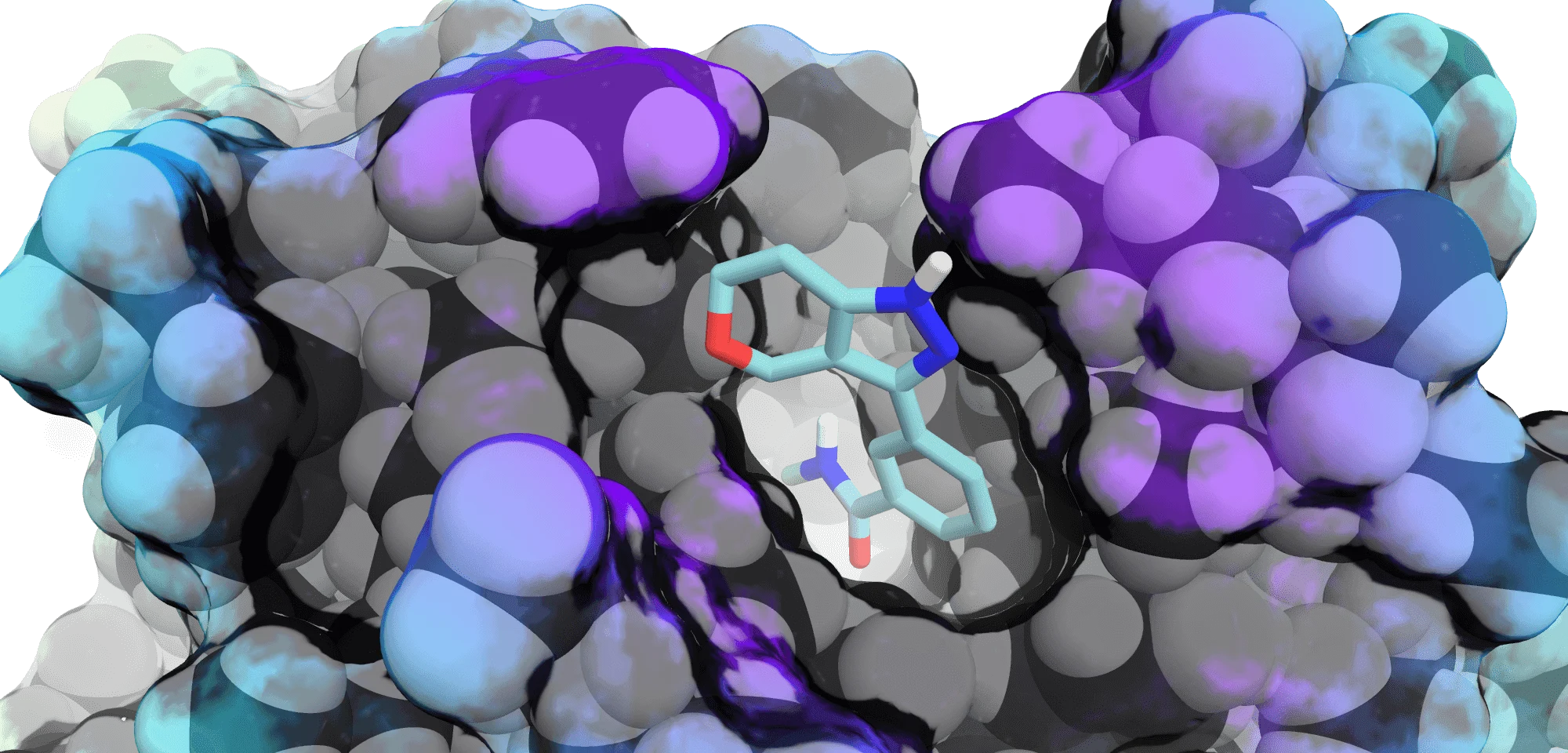
To this end, within the Protein Science department at Sygnature we have a dedicated membrane protein team, supported by full cryo-EM, X-ray crystallography and NMR capabilities.
In the latter stages of a project, it is also clearly beneficial to have a CRO that can provide DMPK data and relevant in vivo disease model support to fully characterize the lead molecules.
Beyond this, access to a full suite of capabilities such as computer aided drug design, biophysical assays, medicinal chemistry and form and formulation where scientists can share data, discuss the implications and respond accordingly will have a significant positive impact on timelines for a membrane protein drug discovery project.
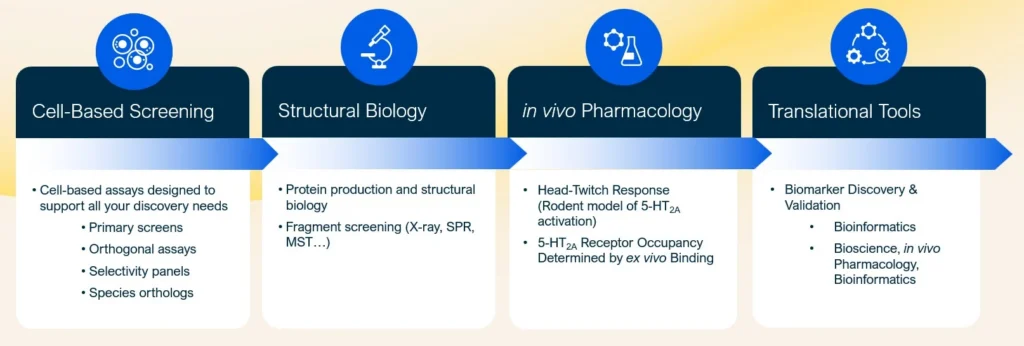
Below we present a selection of capabilities where we provide support for 5-HT2A receptor drug discovery. With our range of expertise we would look to apply this type of approach to any membrane protein target.
Assay support
We have established and validated a comprehensive set of assays in order to provide a full screening cascade for the 5-HT2A receptor.
For examples see our poster here
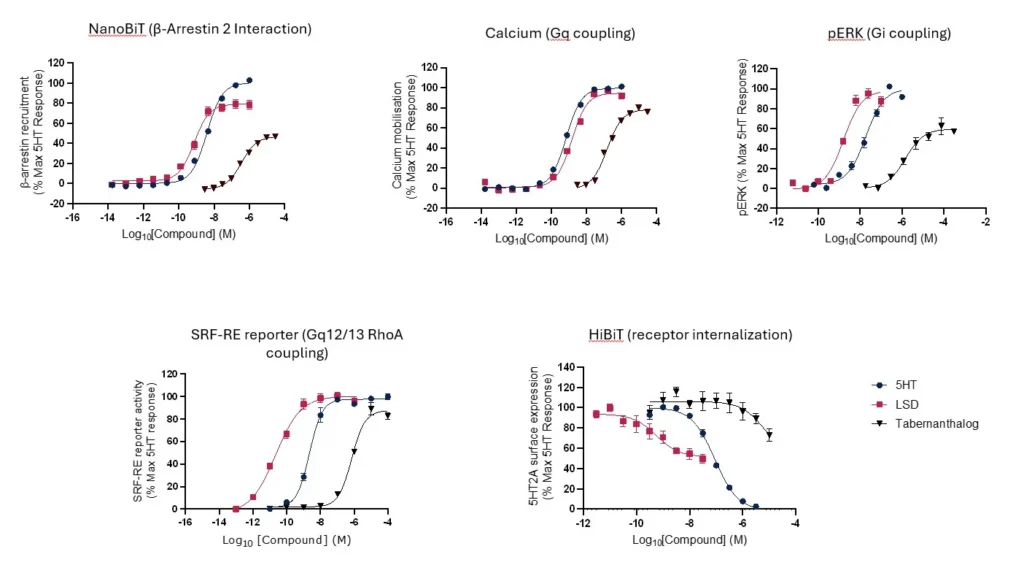
For GPCR targets often further GPCR assay optimization using chimeric G proteins will enable improved signalling control and enhanced assay performance. [See an example case study here]
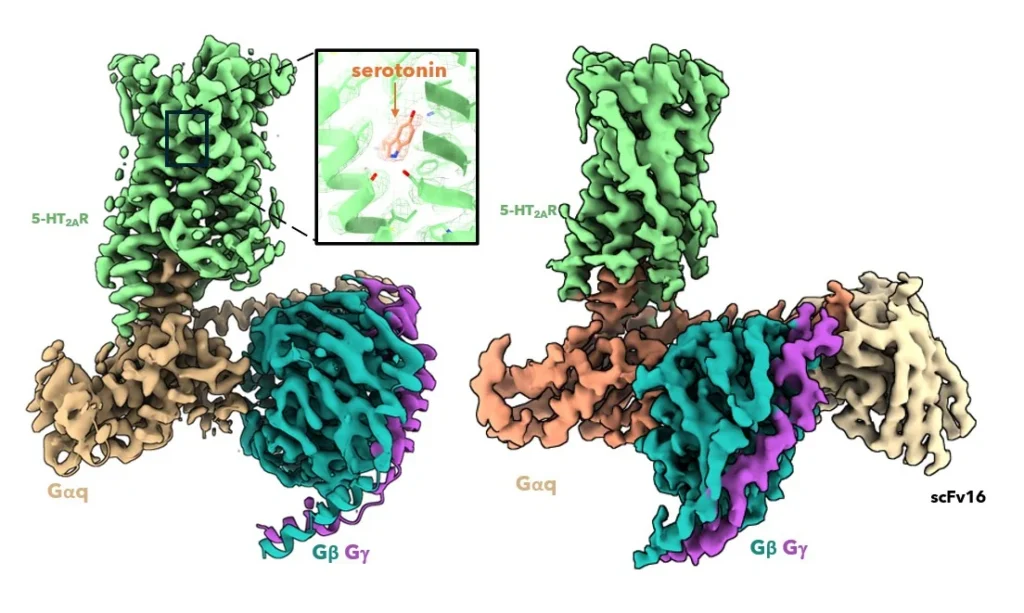
5-HT2A Receptor : Gene to cryo-EM structure produced in house
We have generated a cryo-EM structure of the 5-HT2A receptor [see our case study and also poster] which provided insights into the receptor’s conformation and the binding pose of serotonin. Interestingly, this differs from previous X-ray crystallography structures.
With our dedicated and hugely experienced membrane protein and structural biology teams we are well positioned to tackle any membrane protein target that is of interest to a client that requires either purified protein and/or a structural system.
In vivo studies to further support 5-HT2A drug discovery programs
Furthermore, we have in vivo murine models that can be readily applied to membrane protein targets depending on the disease being tackled. An example of a study with 5-HT2A receptor examined the effects of psilocybin, a psychedelic compound, on head twitches, locomotor activity, 5-HT2A receptor occupancy, and levels of psilocin in mice
The true advantage for complex targets such as ion channels, GPCRs and transporters, emerges when these two dimensions integrate within a single organisation. Combining functional biology with biophysical characterisation and structural expertise can deliver a much more complete and connected understanding of membrane protein targets. Functional activity can be cross validated with molecular interaction data, ensuring that observed biological effects are supported by mechanistic insight. Screening campaigns can feed directly into structure-informed design, accelerating iteration and refining compound selection.
In contrast, many organisations still rely on fragmented workflows, outsourcing different aspects of the discovery process to multiple vendors. While this approach may appear flexible, it introduces significant inefficiencies and risks—especially for membrane proteins. Misalignment between cell-based assays and protein constructs can lead to inconsistent or misleading data. Knowledge transfer between vendors is often imperfect, resulting in lost context and duplicated effort. Handoffs create delays, while discrepancies between functional and structural findings can be difficult to reconcile. Ultimately, this fragmentation slows progress and increases uncertainty at precisely the point where clarity is most critical.
Consistency:
Improved timelines:
As membrane proteins continue to define the frontier of drug discovery, their complexity will remain a constant. The key to overcoming this challenge lies not in simplifying the targets, but in evolving the approach. By partnering with organisations that combine deep target expertise with fully integrated capabilities, companies can transform complexity from a barrier into a source of competitive advantage—unlocking new opportunities for innovation and therapeutic impact.

Peak Proteins, NuChem Sciences, and SB Drug Discovery have now fully integrated with Sygnature Discovery.