


Featured Resources
-
STORM Therapeutics: From Lead to Pre-Candidate Nomination in 18 Months

STORM Therapeutics: From Lead to Pre-Candidate Nomination in 18 Months
Case study




Discover precise insights into brain neurochemistry with Sygnature Discovery's in vivo microdialysis and cOFM services. With over 20 years of expertise, we design bespoke studies that reveal how compounds modulate neurotransmitter systems in health and disease. Using UHPLC/HPLC with electrochemical detection or mass spectrometry, we deliver robust PK/PD data to support confident CNS decision making.


July 30, 2015

Inobrodib, an exciting, first-in-class oral anti-cancer drug in clinical development by CellCentric, was collaboratively designed, synthesised and supported on its pre-clinical journey by an integrated project team at Sygnature Discovery. Inobrodib is now showing promising results in Phase I and II trials for multiple myeloma and other cancer types.

In drug discovery, generating targets is no longer the challenge. The real question is how to identify the few worth investing months of research and significant resources to pursue. Hear expert perspectives on how AI, pathway analysis and scientific expertise are shaping modern target identification.
July 7, 2026

Stay up to date with the latest company updates, milestones, and announcements.
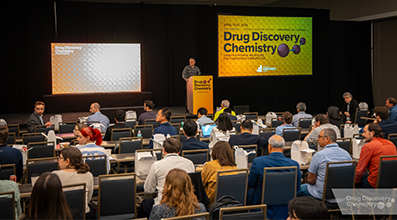
Explore upcoming conferences and scientific meetings where you can connect with our team.

At Sygnature Discovery, we deliver world-leading drug discovery solutions to accelerate your compound from idea to clinic.

Our leadership team brings diverse experience and insight, driving collaboration and innovation across drug discovery.

Explore careers at Sygnature Discovery and join a global team committed to science, collaboration, and integrity.
Inobrodib, an exciting, first-in-class oral anti-cancer drug in clinical development by CellCentric, was collaboratively designed, synthesised and supported on its pre-clinical journey by an integrated project team at Sygnature Discovery. Inobrodib is now showing promising results in Phase I and II trials for multiple myeloma and other cancer types.
At Sygnature Discovery, we deliver world-leading drug discovery solutions to accelerate your compound from idea to clinic.
Our leadership team brings diverse experience and insight, driving collaboration and innovation across drug discovery.
Explore careers at Sygnature Discovery and join a global team committed to science, collaboration, and integrity.
Written by Allan Jordan, PhD — Senior Vice President, Oncology Drug Discovery, Research Management Joshua Greally — ADC Discovery Consultant
Catch up on our ADC development series on YouTube to hear more expert insights.
Since Paul Ehrlich’s original ‘magic bullet’ concept, antibody-drug conjugates (ADCs) have undergone significant evolution over the years, but it is only in the last 2 decades that we have seen them adopted as a therapeutic option. From early iterations to modern versions, the ADC field has strived to improve therapeutic windows and patient standard with good yet debatable outcome, targeting mechanisms, and payload efficacy. However, as we look ahead to the next ten years, it is clear that even more transformative changes are on the horizon. Here, we explore three major developments that are set to reshape the ADC landscape.
One of the more interesting innovations in ADC development is the concept of combination therapy ADCs. In recent years, the idea of loading dual payloads onto a single ADC has gained traction. Combination cancer therapy approaches administer two targeted therapies separately, but the combined side effects of this co-administration can result in dose reductions and suboptimal therapeutic responses. Combination, dual payload, ADCs aim to circumvent this issue by delivering two synergistic drugs simultaneously to the target cells.
The dual payload strategy might not only improve therapeutic efficacy but also reduces the risk of drug resistance, a common challenge in oncology. Furthermore, combination ADCs can be used, for example, to enable the integration of synergistic pathway inhibition, or the pairing of DNA damage agents with DNA repair inhibitors. This technique can enhance the effectiveness of treatment while minimizing systemic toxicity. The flexibility in choosing either a bifunctional linker or orthogonal attachment points on the antibody also allows for precise control over drug-antibody ratio (DAR), further optimizing therapeutic outcomes. We envision a key area of discussion in the future will be the employment of complementary payload MoAs, moving away from conventional cytotoxic, with the aim to minimize potential resistance pathways being adopted by the target.
Currently, ADCs are predominantly utilized in oncology, but in the next decade we expect to see the technology expand beyond cancer treatment. The potential of ADCs in non-oncology indications, such as inflammation and immunology, is becoming increasingly apparent. By moving away from cytotoxic payloads and exploring new modalities, ADCs are starting to target inflammatory pathways and deliver precision therapeutics to diseased tissues with minimal side effects.
Another intriguing area is the potential application of ADCs in central nervous system (CNS) diseases. While molecules have struggled to cross the blood-brain barrier, some antibody-based therapies have shown surprising success. Understanding the mechanisms that enable this permeability could pave the way for CNS-targeted ADCs to treat neurodegenerative conditions and cognitive decline. As our mechanistic understanding increases, ADCs will undoubtedly find further therapeutic applications, beyond oncology, I&I and CNS conditions.
The third key development lies in conjugation technologies, traditional conjugation approaches often result in heterogeneous ADCs with variable DAR and pharmacokinetic profiles. However, innovative conjugation techniques are emerging that offer greater modularity and precision in payload attachment.
By improving conjugation site selectivity and fine-tuning the hydrophobicity and hydrophilicity balance, we can now create ADCs with optimized stability, solubility, and targeted delivery. Additionally, advancements in linker chemistry allow for more controlled payload release and improved tissue penetration, which are critical for maximizing therapeutic efficacy.
As the ADC field continues to evolve, these transformative changes promise to unlock new therapeutic possibilities and expand the utility of ADCs across diverse therapeutic applications. From combination therapy ADCs to non-oncology applications and enhanced conjugation technologies, the next decade will undoubtedly be marked by ground-breaking advancements. Beyond the ADC space, peptide-drug conjugates (PDCs) and other conjugated modalities will also deliver alternate therapeutic modalities. Embracing these innovations, in combination with the diverse expertise of multi-disciplinary research teams spanning both large and small molecule discovery, will not only improve patient outcomes but also redefine the landscape of the drug conjugates of the future.
Learn more about Sygnature’s ADC capabilities.
Part 1: Exploring new paths in ADC development
Part 2: What’s the Evolving Role of Medicinal Chemistry in ADC Development?
Part 3: Linker Technologies in ADCs: How They Impact Efficacy & Stability
Part 4: Toxicity & Efficacy in ADCs: How to Get it Right


Dr. Allan Jordan is Senior Vice President of Oncology Drug Discovery at Sygnature Discovery. He has extensive experience developing targeted therapeutics and advancing integrated drug discovery programs. Drawing on a background in medicinal chemistry, he focuses on optimizing payload properties and designing antibody-drug conjugates to improve clinical tolerability, ensuring that novel therapeutics can successfully navigate the complexities of late-stage development.
Dr. Joshua Greally is ADC Discovery Consultant at Sygnature Discovery. With a foundation in medicinal chemistry, bioconjugation and ADC discovery, he guides the strategic design of next-generation antibody-drug conjugates. He specializes in taking a holistic approach to ADC development, matching antigen biology with novel payloads to overcome clinical tolerability issues and enhance targeted delivery mechanisms. Ultimately helping to bridge the gap between early discovery and successful IND submission.
A dual payload ADC carries two distinct cytotoxic or functional payloads on a single antibody, rather than one. These advanced therapies may help reduce emergent drug resistance, or permit synergistic and disease-specific combination therapies which are not tolerated as systemic therapies.
DAR is the average number of payload molecules attached to each antibody. Understanding, and control, of DAR can be critical for ADC developability and in vivo efficacy. Improved conjugation technologies can now allow more precise control of DAR and reduce heterogeneity of the ADC, improving overall properties.
The bystander effect occurs when a released payload diffuses to neighboring antigen-negative tumor cells, delivering efficacy across adjacent cells, not just the ones the antibody binds directly. It can extend therapeutic efficacy across, for example, heterogeneous tumours with widely differing expression levels of the antigen. However, it can also release the payload into the systemic circulation and can lead to reduced tolerability and therefore needs to be carefully balanced and considered.
Yes. While ADCs remain predominantly an oncology therapeutic, early-stage research is exploring their use in inflammatory and CNS disorders, alongside autoimmune, and infectious disease. The move away from cytotoxic payloads toward precision-targeted alternatives is facilitating and accelerating this transition.
Site-selective conjugation technologies are allowing the construction of more homogeneous ADCs, with better control of DAR and improved developability. Orthogonal conjugation techniques now allow the introduction of multiple, alternate linker-paylaods at selected sites on the antibody, facilitating the construction of more elegant dual-payload ADCs.
Follow our ADC development blog series, or catch up with Allan Jordan and Joshua Greally on our YouTube channel for further expert discussion. We’re also present at major ADC events and are always happy to discuss your project or ADC challenges. Get in touch.
Peak Proteins, NuChem Sciences, and SB Drug Discovery have now fully integrated with Sygnature Discovery.