



Featured Resources
-
STORM Therapeutics: From Lead to Pre-Candidate Nomination in 18 Months

STORM Therapeutics: From Lead to Pre-Candidate Nomination in 18 Months
Case study


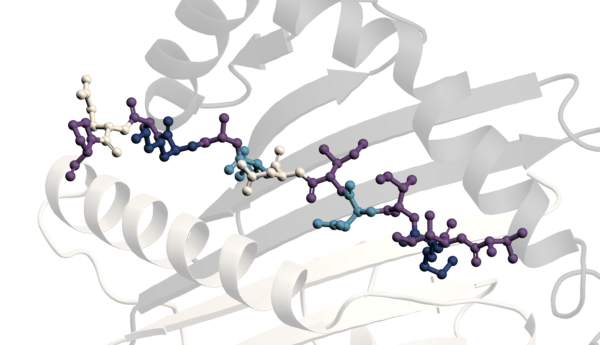


Discover precise insights into brain neurochemistry with Sygnature Discovery's in vivo microdialysis and cOFM services. With over 20 years of expertise, we design bespoke studies that reveal how compounds modulate neurotransmitter systems in health and disease. Using UHPLC/HPLC with electrochemical detection or mass spectrometry, we deliver robust PK/PD data to support confident CNS decision making.


July 30, 2015

Inobrodib, an exciting, first-in-class oral anti-cancer drug in clinical development by CellCentric, was collaboratively designed, synthesised and supported on its pre-clinical journey by an integrated project team at Sygnature Discovery. Inobrodib is now showing promising results in Phase I and II trials for multiple myeloma and other cancer types.

In drug discovery, generating targets is no longer the challenge. The real question is how to identify the few worth investing months of research and significant resources to pursue. Hear expert perspectives on how AI, pathway analysis and scientific expertise are shaping modern target identification.
July 7, 2026
Stay up to date with the latest company updates, milestones, and announcements.
Explore upcoming conferences and scientific meetings where you can connect with our team.

At Sygnature Discovery, we deliver world-leading drug discovery solutions to accelerate your compound from idea to clinic.

Our leadership team brings diverse experience and insight, driving collaboration and innovation across drug discovery.

Explore careers at Sygnature Discovery and join a global team committed to science, collaboration, and integrity.
Inobrodib, an exciting, first-in-class oral anti-cancer drug in clinical development by CellCentric, was collaboratively designed, synthesised and supported on its pre-clinical journey by an integrated project team at Sygnature Discovery. Inobrodib is now showing promising results in Phase I and II trials for multiple myeloma and other cancer types.
At Sygnature Discovery, we deliver world-leading drug discovery solutions to accelerate your compound from idea to clinic.
Our leadership team brings diverse experience and insight, driving collaboration and innovation across drug discovery.
Explore careers at Sygnature Discovery and join a global team committed to science, collaboration, and integrity.
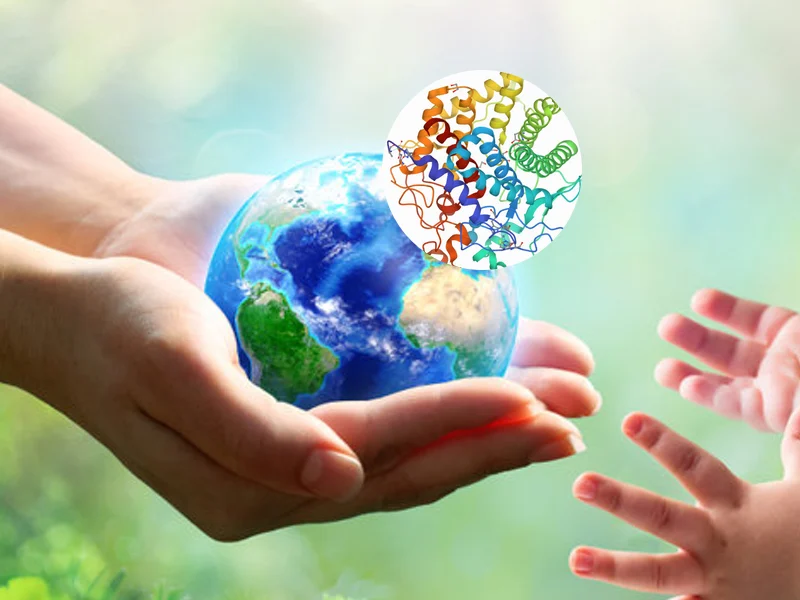
Following on from our earlier blog, “Protein and the Planet”, where we explored how protein biotechnology can help address climate change, this new post looks at the next stage of that story: how directed evolution, structural biology and increasingly artificial intelligence and machine learning (AI/ML) are transforming the way proteins are engineered for sustainable applications. In particular, Sam Bloor explores how engineered enzymes can be used to produce biofuels and pharmaceutical intermediates more efficiently.
Climate change remains one of the defining challenges of our time, and the need for more sustainable industrial processes has never been greater. The Paris Agreement, signed in 2016, set an international framework for limiting global temperature rise, while highlighting the severe consequences of exceeding 1.5 °C warming (UNFCCC. 2016) (Figure 1). Against this backdrop, biotechnology offers an important route to a greener economy.
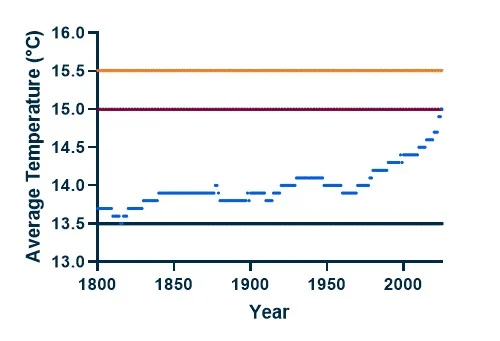
Proteins are powerful tools in the biotechnology sector. We present below some examples of how protein engineering is being developed and deployed within the global effort to mitigate climate change.
Enzymes, which are most commonly proteins, are biological catalysts which lower the activation energy required for a specific reaction to occur(Bell, E. et al. 2021). The potential here is that enzymes offer the ability to reduce the environmental impact of chemical reactions. Mainly by enabling processes to run at lower energy, ambient temperatures with improved stereo‑ and regio‑selectivity, making them a more sustainable and cyclical option for industry (Bergeson, A. R., 2024). These characteristics make them especially attractive for the production of high-value chemicals such as biofuels and pharmaceutical intermediates.
However, proteins also come with notable limitations, including poor thermostability, sensitivity to pH, and instability when exposed to oxidants or high‑energy intermediates. These challenges can be, and have been, effectively addressed through protein engineering, most commonly via directed evolution (Bell, E. et al. 2021).
Protein engineering has provided effective ways to address these limitations, most notably through directed evolution. Pioneered by Nobel laureate Frances Arnold (Chen, K. & Arnold, F. 2020), directed evolution mirrors natural selection in the laboratory by generating protein variants and screening for improved performance. This approach has enabled scientists to create enzymes with enhanced thermostability, higher product yields, altered selectivity, and even entirely new catalytic activities that are not commonly found in nature. Structure-guided methods such as saturation mutagenesis can make this process even more efficient by focusing mutational effort on residues most likely to influence activity.
A recent success in the directed evolution field comes from Lister et al. (2025), where enzymes have been engineered to catalyse nucleophilic aromatic substitution (SNAr) reactions—an important class of C–C and C–X (X = O, N or S)
Why is this exciting?
Bond-forming reactions such as these typically require harsh conditions (high temperatures, polar aprotic solvents which are toxic and fossil derived) and they also generate chemical waste due to the stoichiometric bases that are used.
Engineering a biocatalyst allows the reaction to be performed under low temperature aqueous conditions.
Starting from a weak promiscuous activity in a designed scaffold, successive rounds of directed evolution produced a variant (SNAr1.3) with ~160-fold higher activity, capable of coupling electron-deficient arenes with carbon nucleophiles in water and delivering products with >99% enantiomeric excess. This work highlights how combining protein design with evolution can generate highly selective catalysts for synthetically valuable transformations that are traditionally inaccessible to enzymes (Lister, T.M. et al. 2025).
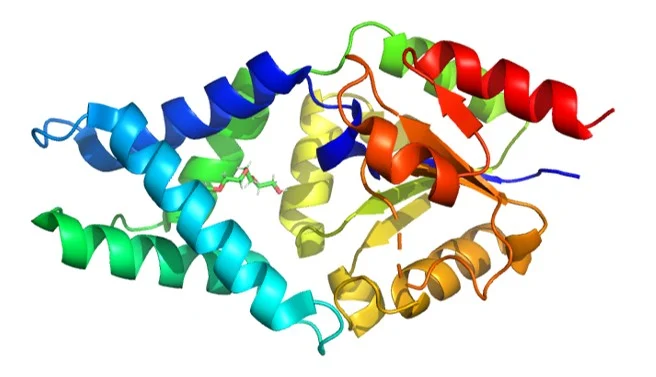
Artificial intelligence and machine learning have transformed the field of protein design, building on decades of effort to understand and predict how amino‑acid sequences fold into functional three‑dimensional structures. Although the protein‑folding problem was first articulated in the 1970s, major progress accelerated only with the development of computational protein‑design tools in the early 2000s. David Baker’s laboratory pioneered these approaches, creating the Rosetta software and demonstrating, as early as 2003, the first truly de novo designed protein with a novel fold—an achievement that laid the foundation for modern AI‑assisted design (Rohl, C. et al. 2004).
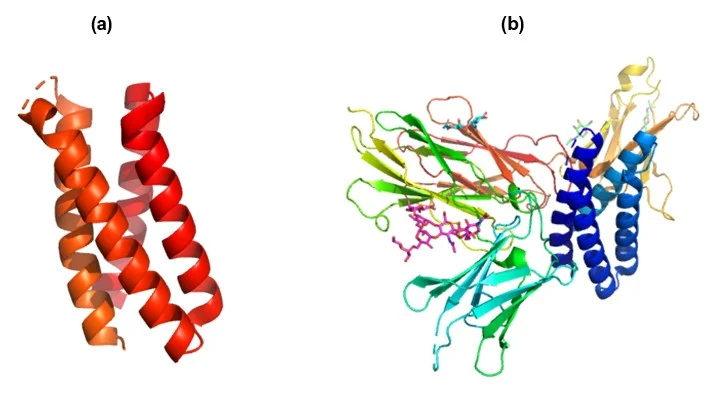
While not particularly relevant for climate change, this example illustrates the approach and is frankly just a really, really cool piece of protein science. At the Institute of Protein Design, David Baker and his group recently designed a de novo cytokine mimic known as Neo‑2/15 as a next‑generation immunotherapeutic (Figure 3a). Rather than modifying a natural protein, they computationally built a completely new, hyper‑stable scaffold that reproduces the key binding interface of interleukin‑2, selectively engaging the IL‑2Rβγ receptor while avoiding the IL‑2Rα subunit associated with toxicity (Figure 3b). In mouse tumour models, this designed protein showed enhanced anti‑cancer activity with reduced side effects and minimal immunogenicity, highlighting how de novo protein design can produce therapeutics with improved efficacy and safety compared to natural cytokines (Silva, D.A et al. 2019).
Over the past two decades, Baker’s group continued to push the boundaries of rational and computational design, generating thousands of synthetic proteins with applications in therapeutics, catalysis, vaccines, and materials science. This longstanding body of work set the stage for integrating machine learning into protein engineering, where protein language models and ML‑guided directed evolution now enable exploration of mutational landscapes far beyond what traditional methods could reach.
A parallel revolution came from DeepMind, where Demis Hassabis and John Jumper developed AlphaFold, the deep‑learning system that ultimately cracked the long‑standing challenge of predicting protein structures directly from amino‑acid sequences. First demonstrated in 2018 and radically improved in 2020, AlphaFold2 delivered near‑experimental accuracy for the vast majority of proteins, enabling researchers worldwide to access structural predictions at the touch of a button (Jumper, J. et al. 2021).
In recognition of the transformative impact of these computational and AI‑driven advances, the 2024 Nobel Prize in Chemistry was awarded jointly to David Baker “for computational protein design” and to Demis Hassabis and John Jumper “for protein structure prediction.” Their achievements marked the first time a major AI‑enabled discovery in molecular biology received a Nobel Prize—cementing AI/ML‑based protein design as a central technology for the future of biotechnology and sustainability (Nobel Prize, 2024) (Institute for Protein Design, 2024).
AlphaFold3, developed by Google DeepMind and Isomorphic Labs – both headed by Demis Hassabis, represents a major leap in computational biology by accurately predicting the structures and interactions of nearly all classes of biomolecules. Isomorphic Labs, DeepMind’s London‑based drug‑discovery spin‑off, is using AlphaFold 3 in real pharmaceutical collaborations and, in 2026, unveiled IsoDDE—an even more powerful proprietary platform that surpasses open models like Boltz‑2 and physics‑based methods in predicting drug‑protein binding affinity and antibody interactions, prompting experts to compare it to a next‑generation “AlphaFold 4” that remains undisclosed to the public (Callaway, E. 2026).
Building upon the foundations set by Baker, Hassabis and Jumper, computational design is transforming the development of next‑generation therapeutic and industrial proteins by making the entire process more efficient, precise, and inherently sustainable (Albanese, K.I., et al. 2025). Advances in molecular modelling, machine learning, and physics‑based design now enable scientists to engineer antibodies, stabilised enzymes, and cytokines with optimised structures and pharmacokinetics, greatly improving production yields while reducing waste and energy use across bioprocessing pipelines. At the same time, de novo protein design has opened the door to creating entirely new‑to‑nature enzymes and environmentally friendly catalytic reagents that deliver high performance with far lower resource inputs than traditional chemical processes. Together, these computationally crafted proteins not only accelerate discovery and manufacturing but also offer a fundamentally more sustainable route to biotherapeutics and industrial (bio)catalysts—achieving more with fewer raw materials, cleaner reactions, and a reduced environmental footprint.
This convergence of directed evolution, structural biology and AI-driven design is making the development of next-generation therapeutic and industrial proteins more efficient, precise and sustainable. Advances in modelling and computational design are helping scientists engineer stabilised enzymes, antibodies and other protein modalities with improved performance while reducing waste, energy use and experimental burden across development workflows.
For clients embarking on enzyme engineering or directed evolution programmes, access to high-quality structural information can provide a significant head start. Sygnature Discovery’s structural biology team brings deep expertise in crystallography, cryo-EM and NMR,
We generate data to guide construct design, prioritise mutational strategies and improve screening efficiency. In that sense, AI/ML is not replacing experimental science; it is enhancing it, enabling teams to make better decisions earlier and develop more sustainable biocatalysts with greater confidence.
As a final note, at Sygnature Discovery, these scientific advances align closely with our broader sustainability goals which are grounded in Environmental, Social, and Governance (ESG) principles. Small examples so far include energy-efficient cold storage, recycling programmes, paperless processes and practical efforts to reduce laboratory emissions and single-use plastics.
Albanese, K. I., Barbe, S., Tagami, S. et al. Computational protein design. Nat. Rev. Methods Primers 5, 13 (2025).
Bell, E. L., Finnigan, W., France, S. P. et al. Biocatalysis. Nat. Rev. Methods Primers 1, 46 (2021).
Bergeson, A. R. et al. Trends in biochemical sciences. Trends Biochem. Sci. 49, 955–968 (2024).
Callaway, E. ‘An AlphaFold 4’ — scientists marvel at DeepMind drug spin-offs’ exclusive new AI. Nature News (2026). Available at: https://www.nature.com/articles/d41586-026-00365-7
Chen, K. & Arnold, F. H. Engineering new catalytic activities in enzymes. Nat. Catal. 3, 203–213 (2020).
Institute of Protein Design. David Baker wins Nobel Prize for Protein Design. Available at: https://www.ipd.uw.edu/2024/10/david-baker-wins-nobel-prize-for-protein-design/ (accessed 3 March 2026).
Jumper, J., Evans, R., Pritzel, A. et al. Highly accurate protein structure prediction with AlphaFold. Nature 596, 583–589 (2021).
Lister, T. M., Roberts, G. W., Hossack, E. J. et al. Engineered enzymes for enantioselective nucleophilic aromatic substitutions. Nature 639, 375–381 (2025).
Nobel Prize Outreach. Press release: The Nobel Prize in Chemistry 2024. Available at: https://www.nobelprize.org/prizes/chemistry/2024/press-release/ (accessed 3 March 2026).
Rohl, C. A., Strauss, C. E. M., Misura, K. M. S. & Baker, D. Protein structure prediction using Rosetta. Methods Enzymol. 383, 66–93 (2004).
Silva, D. A., Yu, S., Ulge, U. Y. et al. De novo design of potent and selective mimics of IL-2 and IL-15. Nature 565, 186–191 (2019).
UNFCCC. United Nations Framework Convention on Climate Change: Paris Agreement. United Nations, Paris (2016).
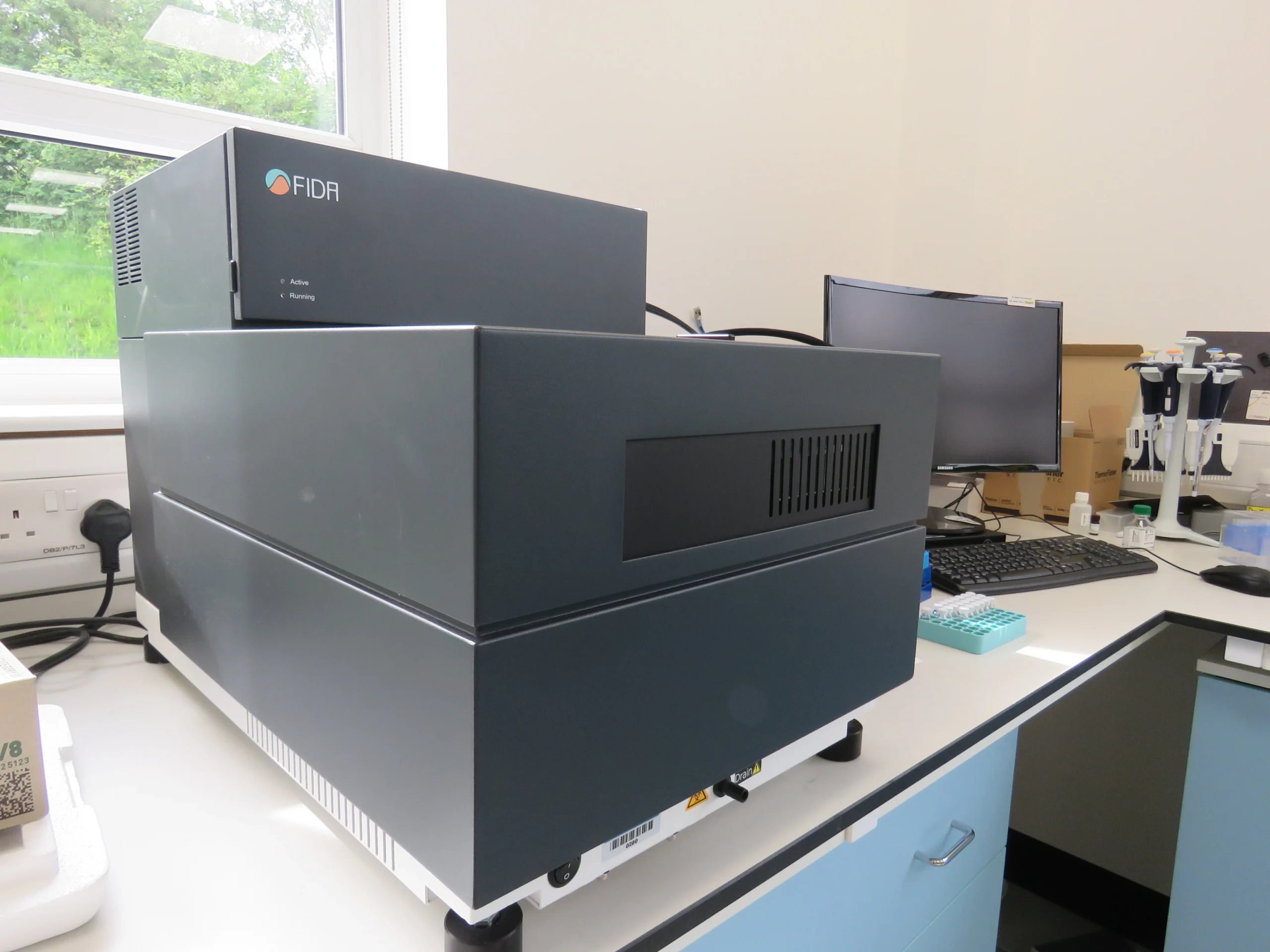

Peak Proteins, NuChem Sciences, and SB Drug Discovery have now fully integrated with Sygnature Discovery.