


Ressources
-
STORM Therapeutics: From Lead to Pre-Candidate Nomination in 18 Months

STORM Therapeutics: From Lead to Pre-Candidate Nomination in 18 Months
Case study


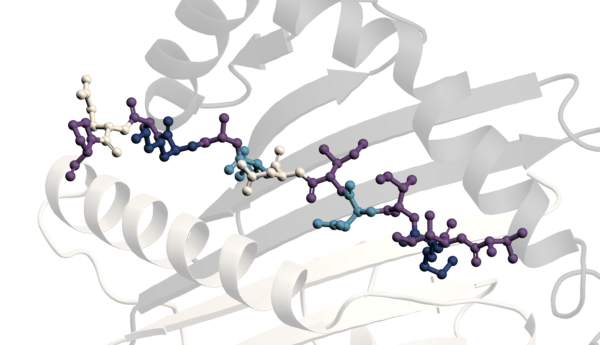


Discover precise insights into brain neurochemistry with Sygnature Discovery's in vivo microdialysis and cOFM services. With over 20 years of expertise, we design bespoke studies that reveal how compounds modulate neurotransmitter systems in health and disease. Using UHPLC/HPLC with electrochemical detection or mass spectrometry, we deliver robust PK/PD data to support confident CNS decision making.


juillet 30, 2015

Inobrodib, an exciting, first-in-class oral anti-cancer drug in clinical development by CellCentric, was collaboratively designed, synthesised and supported on its pre-clinical journey by an integrated project team at Sygnature Discovery. Inobrodib is now showing promising results in Phase I and II trials for multiple myeloma and other cancer types.

In drug discovery, generating targets is no longer the challenge. The real question is how to identify the few worth investing months of research and significant resources to pursue. Hear expert perspectives on how AI, pathway analysis and scientific expertise are shaping modern target identification.
juillet 7, 2026

Tenez‑vous au courant des dernières mises à jour de l’entreprise, des étapes clés et des annonces importantes.
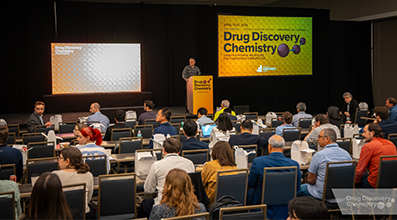
Découvrez les conférences et rencontres scientifiques à venir, où vous pourrez échanger avec notre équipe.

Chez Sygnature Discovery, nous fournissons des solutions de découverte de médicaments de classe mondiale pour accélérer la progression de vos composés, de l’idée jusqu’à la clinique.

Notre équipe de direction rassemble une diversité d’expériences et de ressources, favorisant la collaboration et l’innovation dans l’ensemble du processus de découverte de médicaments.

Explorez les opportunités de carrière chez Sygnature Discovery. Rejoignez une équipe internationale qui obtient des résultats exceptionnels grâce à la collaboration, à l’innovation et à l’intégrité.
Inobrodib, an exciting, first-in-class oral anti-cancer drug in clinical development by CellCentric, was collaboratively designed, synthesised and supported on its pre-clinical journey by an integrated project team at Sygnature Discovery. Inobrodib is now showing promising results in Phase I and II trials for multiple myeloma and other cancer types.
Chez Sygnature Discovery, nous fournissons des solutions de découverte de médicaments de classe mondiale pour accélérer la progression de vos composés, de l’idée jusqu’à la clinique.
Notre équipe de direction rassemble une diversité d’expériences et de ressources, favorisant la collaboration et l’innovation dans l’ensemble du processus de découverte de médicaments.
Explorez les opportunités de carrière chez Sygnature Discovery. Rejoignez une équipe internationale qui obtient des résultats exceptionnels grâce à la collaboration, à l’innovation et à l’intégrité.
Our client had run some early Phase 1 clinical trials for their oncology small molecule drug. As an intravenous product, they had sensibly gone down the well-trodden path of a lyophilised presentation. Delivery in the clinic was via reconstitution prior to addition to an infusion bag for patients. At this stage oral delivery was not required as an option for this molecule.
The dose was two vials, each one requiring dissolution, extraction into a syringe and then addition to an IV bag. This worked relatively well. The product was stable, dissolved relatively easily and with this process dosing the patients was straightforward.
Early results were very promising. Patients had positive responses, PK data looked as expected but then something was flagged…….
……The safety profile of their API was much better than expected. The anticipated issues at high dose (based on historical data) were not observed. This presented the possibility of an exciting option. Could the dose be increased? The anticipation was that if it could, there would be beneficial effects for patients in terms of allowing a wider therapeutic window. The client was obviously keen to explore this option.
This is where the lyo cake fell over. The initial dose was 2 vials. The new dose would require 8 vials which now became unfeasible – no clinician would want to shake 8 vials for addition to an IV bag.
Time to reformulate. The aqueous solubility was good enough for a 100 mL IV bag, but even so that still wasn’t a viable route for a lyo cake. We therefore proposed to explore a liquid concentrate option. This would entail investigating the use of IV compatible organic concentrates. We designed and executed a series of experiments to explore and evaluate the following factors.
Throughout these experiments we were mindful of the fact that a liquid formulation for dilution brings a whole set of particular challenges, such as:
Accordingly, we ran stability studies in our International Council for Harmonisation (ICH) stability chambers to evaluate these factors.

After 8 weeks and dozens of experiments, the F&F team had developed a successful formulation that had suitable solubility, stability and viscosity that could be delivered as a liquid concentrate. This allowed our client to explore the higher dose option, with the potential to provide an enhanced cancer drug for patients.
Actually, the study was significantly harder than it sounds, and we are proud of the determination and resilience required by the team to deliver this outcome.
If you wish to learn more about how we can advance your molecule to the clinic, please don’t hesitate to get in touch. Just use the « Get in Touch » button at the bottom of the page.

Test