


Featured Resources
-
STORM Therapeutics: From Lead to Pre-Candidate Nomination in 18 Months

STORM Therapeutics: From Lead to Pre-Candidate Nomination in 18 Months
Case study


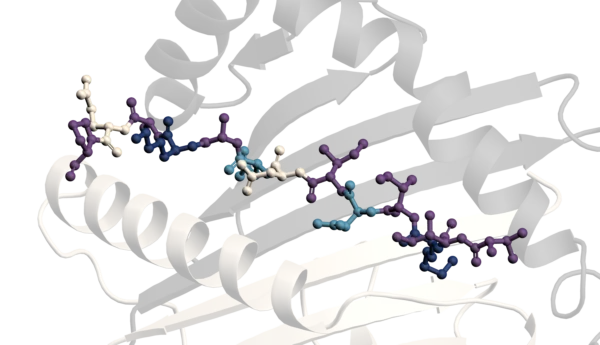

Integrating FIDA™ and Biacore™ SPR for optimal results.


Discover precise insights into brain neurochemistry with Sygnature Discovery's in vivo microdialysis and cOFM services. With over 20 years of expertise, we design bespoke studies that reveal how compounds modulate neurotransmitter systems in health and disease. Using UHPLC/HPLC with electrochemical detection or mass spectrometry, we deliver robust PK/PD data to support confident CNS decision making.


July 30, 2015
Inobrodib, an exciting, first-in-class oral anti-cancer drug in clinical development by CellCentric, was collaboratively designed, synthesized and supported on its pre-clinical journey by an integrated project team at Sygnature Discovery. Inobrodib is now showing promising results in Phase I and II trials for multiple myeloma and other cancer types.

February 3, 2026

Stay up to date with the latest company updates, milestones, and announcements.
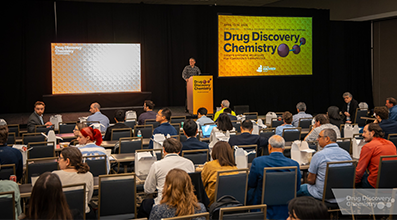
Explore upcoming conferences and scientific meetings where you can connect with our team.

At Sygnature Discovery, we deliver world-leading drug discovery solutions to accelerate your compound from idea to clinic.

Our leadership team brings diverse experience and insight, driving collaboration and innovation across drug discovery.

Explore careers at Sygnature Discovery and join a global team committed to science, collaboration, and integrity.
Inobrodib, an exciting, first-in-class oral anti-cancer drug in clinical development by CellCentric, was collaboratively designed, synthesized and supported on its pre-clinical journey by an integrated project team at Sygnature Discovery. Inobrodib is now showing promising results in Phase I and II trials for multiple myeloma and other cancer types.
At Sygnature Discovery, we deliver world-leading drug discovery solutions to accelerate your compound from idea to clinic.
Our leadership team brings diverse experience and insight, driving collaboration and innovation across drug discovery.
Explore careers at Sygnature Discovery and join a global team committed to science, collaboration, and integrity.
To support these claims, data from Sygnature’s internal team and two world-renowned SAA-expert laboratories are presented below.
To discuss your particular requirements and to get a quote for a custom batch of αSyn please get in touch.
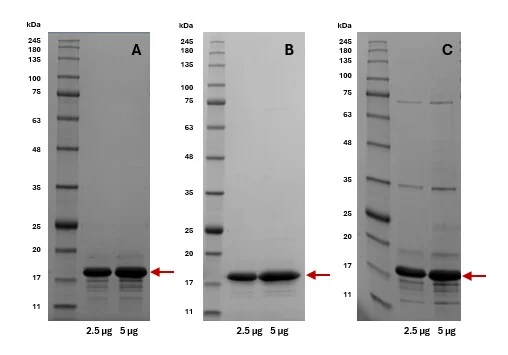
Some lower molecular weight species are typically observed, and occasionally higher molecular weight species are present (e.g Figure 1 C). Neither impact performance in SAAs.
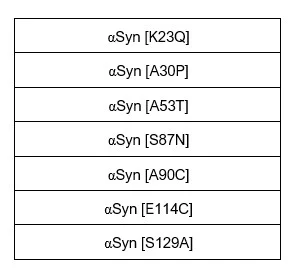
We are also able to produce various mutant versions of αSyn (Figure 2).
As both a therapeutic target and a key biomarker, α-synuclein (αSyn) sits at the center of efforts to better understand, diagnose and treat neurodegenerative disorders. Its involvement in diseases such as Parkinson’s disease and Dementia with Lewy bodies (DLB) has made αSyn a major focus for drug discovery, biomarker development and translational research.
Under normal conditions, αSyn is a small, intrinsically disordered 14 kDa protein found in neurons. In Parkinson’s disease and related synucleinopathies, however, αSyn can misfold and aggregate into the characteristic fibrils associated with neuronal dysfunction and cell death. For an overview of αSyn protein and its role in disease, please refer to our mini review article here.
As interest in αSyn-based therapeutics and diagnostic approaches continues to grow, access to high-quality, well-characterized αSyn reagents has become increasingly important.
Production of highly pure, stable monomeric αSyn protein (Uniprot P37840) to support SAAs, which include the Real-Time Quaking-Induced Conversion (RT-QuIC) assays, has proved to be incredibly difficult to achieve. The requirements for the αSyn to support these assays are that it should be:
Although αSyn is available from multiple commercial suppliers, researchers continue to report batch-to-batch variability that can compromise the consistency and reliability of data from SAAs. Indeed, Oliviera et al., 2026 from The Michael J. Fox Foundation for Parkinson’s Research (MJFF) made this statement:
“Furthermore, commercially available aSyn proteins yielded inconsistent and suboptimal results, and scaling up production posed significant technical and logistical challenges. In response, MJFF launched a large-scale effort to develop affordable, high-quality, commercially available aSyn SAA substrate through a precompetitive collaboration across industry, protein manufacturers, academic SAA experts, and commercial distributors– all for the benefit of the broader research community”
Producing high-quality recombinant αSyn is particularly challenging because the protein can undergo non-specific conversion and aggregation if not carefully handled and controlled during purification.
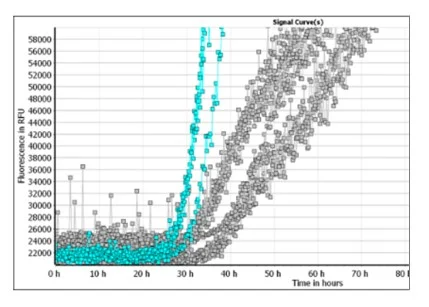
We have observed cases where a recombinant αSyn preparation looked pure on SDS PAGE gel, had the exact expected mass on intact mass spectrometry (with no contaminant peaks or modifications), was monomeric on analytical size-exclusion chromatography with multi-angle light scattering (SEC-MALS) and Flow Induced Dispersion Analysis (FIDA), yet obviously still contained, undetectable trace levels of oligomeric αSyn that were unfortunately sufficient to initiate self-seeding in an RT-QuIC assay (Figure 3).
Detection of these undesired oligomers is impossible with current biophysical techniques, the only true test being validation in the end use SAA or desired application. This purification challenge is discussed in Stephens et al., 2020 with one solution presented by Al-Azzawi et al., 2025 to purify αSyn from the periplasmic fraction. However, this periplasmic route is not optimal as a method to produce the large amounts of αSyn generally required to support RT-QuIC assays.
Production of monomeric wild type human alpha synuclein
Within the Protein and Structure department at Sygnature Discovery, we have been purifying wild type and mutant versions of αSyn for different clients for several years, using either E. coli or mammalian expression hosts, and a variety of purification protocols. Our clients routinely return for resupplies for their assays which is a testament to the quality and batch-to-batch consistency of the αSyn we produce.
Building on this experience, for the last few years we have been running a project supported by The MJFF to optimize the production of monomeric wild type human αSyn. The ultimate goal of the project is to produce large (≥4 gram) batches of αSyn to make available as a global resource to reduce variability in data obtained between groups working on Parkinsons Disease.
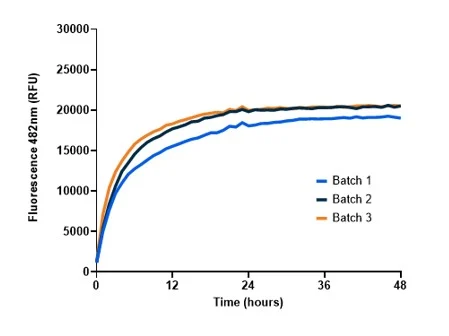
During this project we have run hundreds of experiments to refine cell culture and protein purification protocols. In order to validate and to confirm that the αSyn produced is fit for purpose the trial batches have been tested in RT-QuIC assays by Christina Orru in the Caughey lab at the NIH/NIAID and Graham Fairfoul in the Barria (formerly Green) lab at The University of Edinburgh.
To address the challenges associated with producing reliable αSyn reagents, Sygnature Discovery has developed a robust expression and purification process for wild-type human αSyn in E. coli. This process routinely delivers:
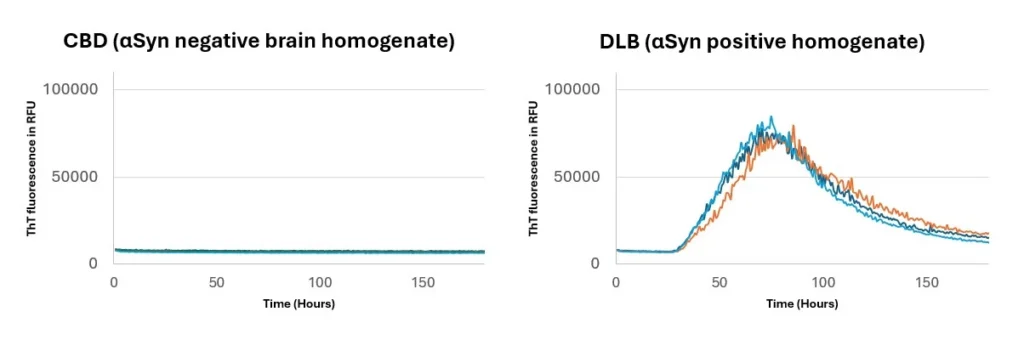
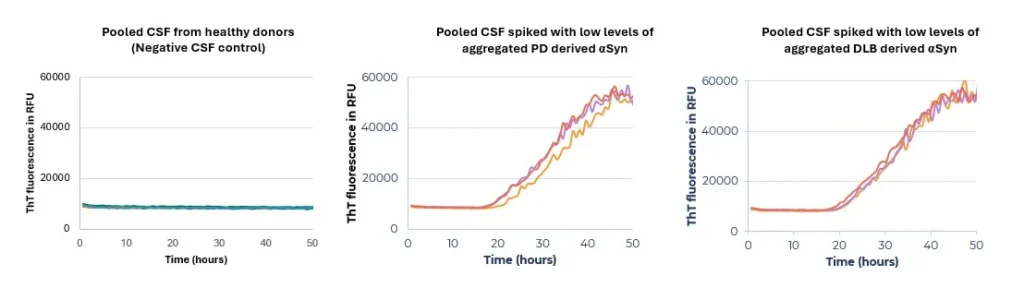
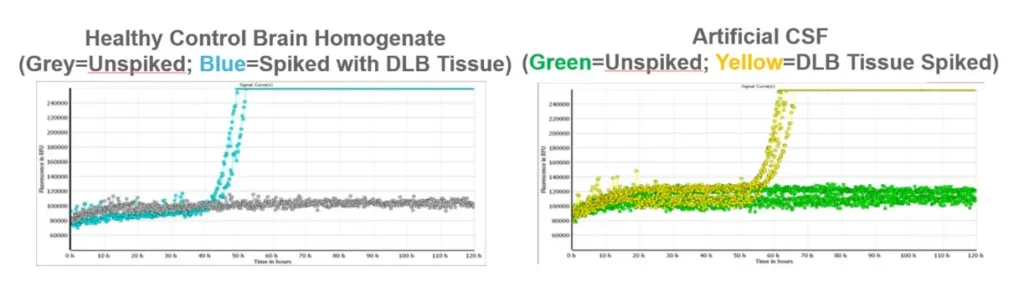
Figure 4 a-c data was presented by Polinski et al., 2025 at the AD/PD conference.
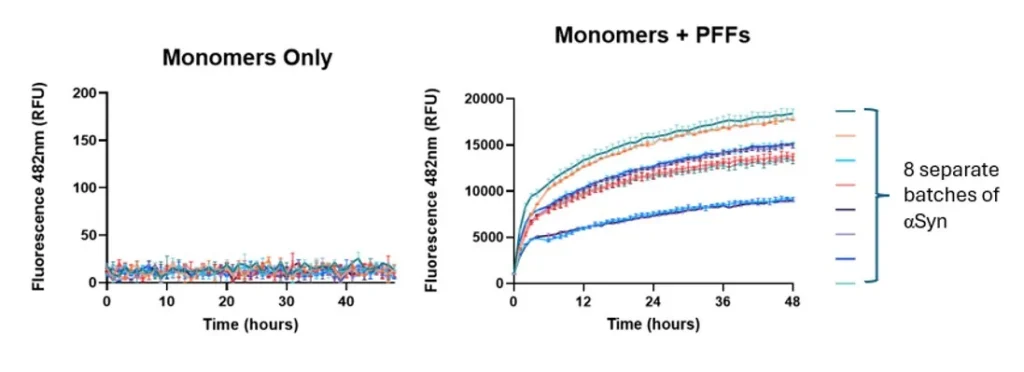
In addition, based on the protocols described in Polinski et al., 2018, we have produced Pre-Formed Fibrils (PFFs) using our in-house αSyn to test and compare various batches of monomeric αSyn. Figure 5 and 6
At Sygnature Discovery, we support Parkinson’s disease and broader synucleinopathy research with the production of high-quality recombinant αSyn for Seed Aggregation Assays (SAAs), including RT-QuIC, PFF production, drug screening and other end use applications.
We routinely produce large (up to 350mg) batches of high quality monomeric, wild-type, human alpha synuclein (αSyn) protein with the quality, consistency and performance required for demanding assay applications.
If required, we also have experience producing
Whether you are developing diagnostics, investigating disease mechanisms, or advancing novel Parkinson’s disease therapeutics, our team can help provide the αSyn reagents needed to support your research. Please don’t hesitate to get in touch to discuss your project requirements.
Al-Azzawi, Z. A. M., Silver, N. R. G., Mehra, S., Niu, S., Situ, C., Luo, W., Shlaifer, I., Ingelsson, M., Hyman, B. T., Trempe, J.-F., Durcan, T. M., Watts, J. C., & Fon, E. A. (2025). α-Synuclein purification significantly impacts seed amplification assay performance and consistency. Acta Neuropathologica Communications, 13(1), 225. https://doi.org/10.1186/s40478-025-02151-4
Polinski, N. K., Volpicelli-Daley, L. A., Sortwell, C. E., Luk, K. C., Cremades, N., Gottler, L. M., Froula, J., Duffy, M. F., Lee, V. M. Y., Martinez, T. N., & Dave, K. D. (2018). Best Practices for Generating and Using Alpha-Synuclein Pre-Formed Fibrils to Model Parkinson’s Disease in Rodents. Journal of Parkinson’s Disease, 8(2), 303–322. https://doi.org/10.3233/JPD-171248
Stephens, A. D., Matak-Vinkovic, D., Fernandez-Villegas, A., & Kaminski Schierle, G. S. (2020). Purification of Recombinant α-synuclein: A Comparison of Commonly Used Protocols. Biochemistry, 59(48), 4563–4572. https://doi.org/10.1021/acs.biochem.0c00725
Oliveira, L. M. A., Frasier, M., Hutten, S, J. (2026). Collaborative action for biomarker breakthroughs: Validating α-synuclein seed amplification assays in Parkinson’s disease. Journal of Parkinson’s Disease, Special Issue: Open Science in Parkinson’s Research, 1 – 7. https://doi.org/10.1177/1877718X261431949
Nicole K. Polinski, Richard Mott, Anna Valentine, Graham Fairfoul, Marcelo Barria Matus, Alison Green, Christina D Orrú, Byron Caughey, Jonathan Jones,Panos Kopsiaftis, Matthew Biggs, Robert Cleverley, Zoe Arnott, Elisia Clark, Gloria Thakuria, Jamie Eberling (2025)
The Michael J. Fox Foundation’s efforts to develop specialized alpha-synuclein monomeric protein for the alpha-synuclein seed amplification assay
Poster presented at the AD/PD 2025 International Conference on Alzheimer’s and Parkinson’s Diseases and Related Neurological Disorders

Peak Proteins, NuChem Sciences, and SB Drug Discovery have now fully integrated with Sygnature Discovery.