


Featured Resources
-
STORM Therapeutics: From Lead to Pre-Candidate Nomination in 18 Months

STORM Therapeutics: From Lead to Pre-Candidate Nomination in 18 Months
Case study


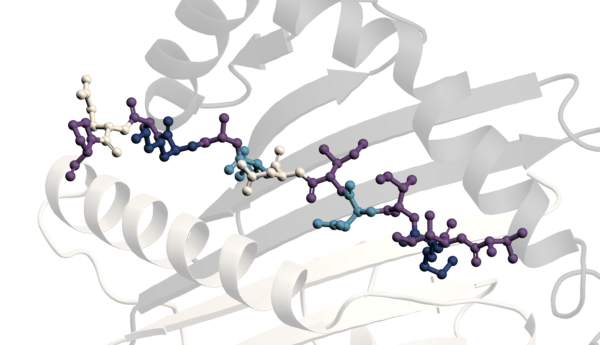


Discover precise insights into brain neurochemistry with Sygnature Discovery's in vivo microdialysis and cOFM services. With over 20 years of expertise, we design bespoke studies that reveal how compounds modulate neurotransmitter systems in health and disease. Using UHPLC/HPLC with electrochemical detection or mass spectrometry, we deliver robust PK/PD data to support confident CNS decision making.


July 30, 2015

Inobrodib, an exciting, first-in-class oral anti-cancer drug in clinical development by CellCentric, was collaboratively designed, synthesised and supported on its pre-clinical journey by an integrated project team at Sygnature Discovery. Inobrodib is now showing promising results in Phase I and II trials for multiple myeloma and other cancer types.

In drug discovery, generating targets is no longer the challenge. The real question is how to identify the few worth investing months of research and significant resources to pursue. Hear expert perspectives on how AI, pathway analysis and scientific expertise are shaping modern target identification.
July 7, 2026

Stay up to date with the latest company updates, milestones, and announcements.
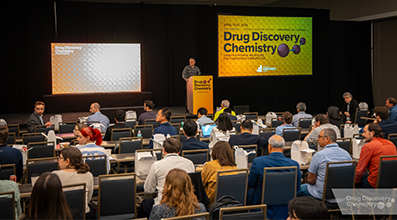
Explore upcoming conferences and scientific meetings where you can connect with our team.

At Sygnature Discovery, we deliver world-leading drug discovery solutions to accelerate your compound from idea to clinic.

Our leadership team brings diverse experience and insight, driving collaboration and innovation across drug discovery.

Explore careers at Sygnature Discovery and join a global team committed to science, collaboration, and integrity.
Inobrodib, an exciting, first-in-class oral anti-cancer drug in clinical development by CellCentric, was collaboratively designed, synthesised and supported on its pre-clinical journey by an integrated project team at Sygnature Discovery. Inobrodib is now showing promising results in Phase I and II trials for multiple myeloma and other cancer types.
At Sygnature Discovery, we deliver world-leading drug discovery solutions to accelerate your compound from idea to clinic.
Our leadership team brings diverse experience and insight, driving collaboration and innovation across drug discovery.
Explore careers at Sygnature Discovery and join a global team committed to science, collaboration, and integrity.
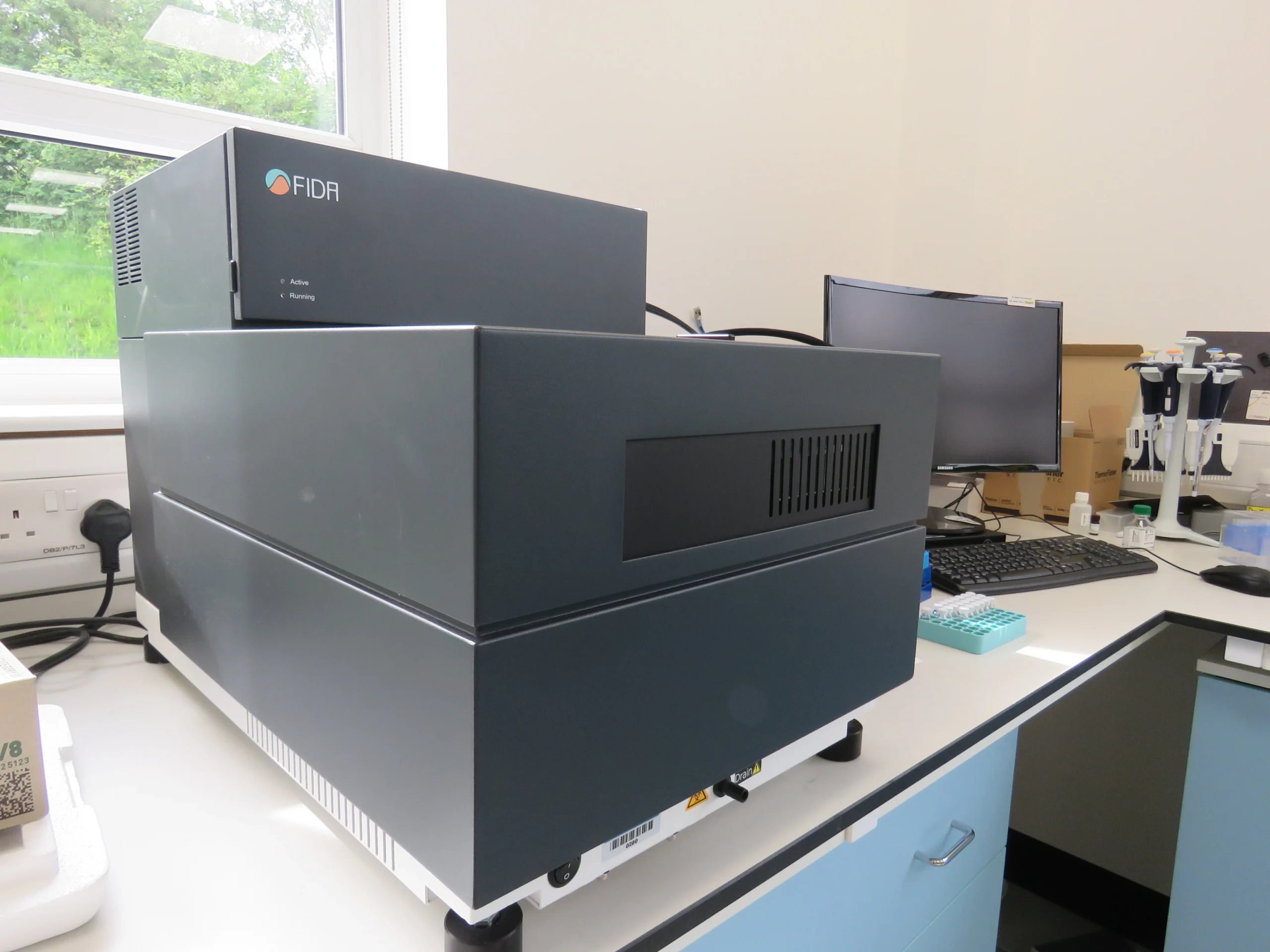
Within the Protein Science and Structural Biology department at Sygnature Discovery, we have been utilising the Fida platform (Flow Induced Dispersion Analysis) since its launch in 2024. Within six months, it quickly became an essential tool for our team. Fida has contributed as an analytical tool in a number of our protein projects, as well as enabling stand-alone Fida projects. Here we discuss what Fida is, how Fida has helped us to advance our protein science projects, and how it can benefit our clients. We will also showcase some example data generated at Sygnature to illustrate the potential of Fida.
Fida is a technique which allows the measurement of a biomolecule’s size (typically proteins for us) in solution. This method uses diffusion under laminar flow to mobilise the sample through a capillary, allowing for the calculation of hydrodynamic radius (Rh) from peak width. At Sygnature, we can follow proteins by intrinsic or labelled fluorescence giving experimental flexibility. Fida is incredibly versatile and can provide a wealth of information on particle size, oligomeric state, buffer effects, protein stability, aggregation, and protein-ligand interaction. It is relatively quick to perform with a standard run taking 6 minutes, and some types of experiment can use just nanolitres of sample.
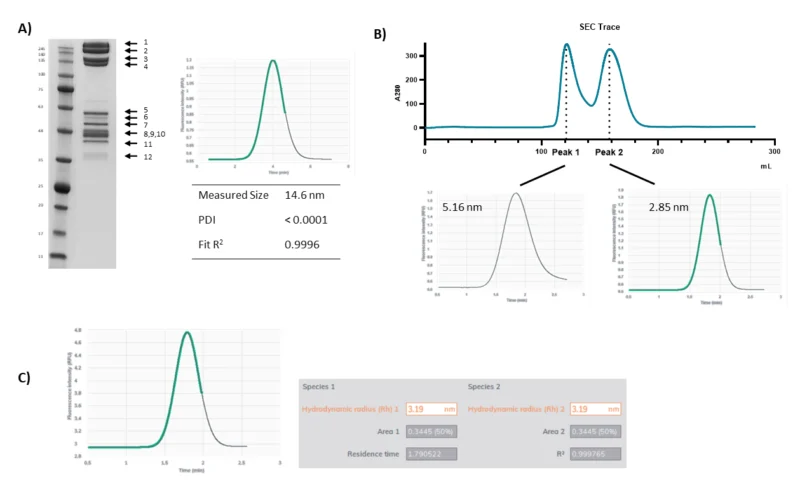
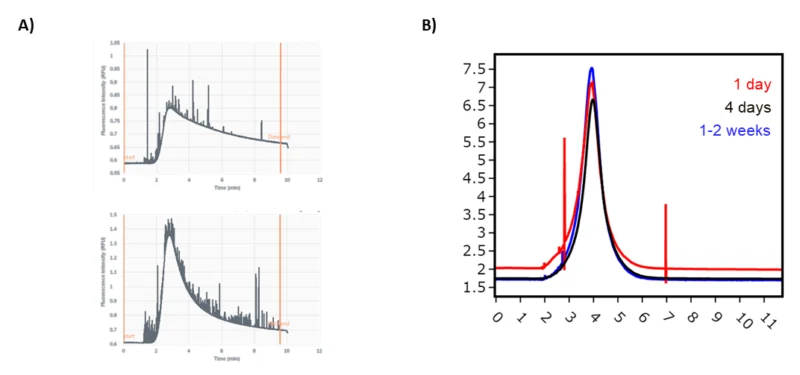
We regularly use Fida for QC analysis on proteins purified at Sygnature where Fida offers a quick homogeneity check (Fig. 1), which is particularly useful for proteins that may be prone to aggregation. We also use Fida to check protein stability over time or a freeze/thaw step, including measuring membrane protein solubility and stability where Fida offers an alternative to techniques such as fluorescent size exclusion chromatography (FSEC; Fig. 2). Fida has been especially useful for large species that are too big for SEC, such as megadalton protein complexes or liposomes, providing a complementary technique to obtain valuable data.
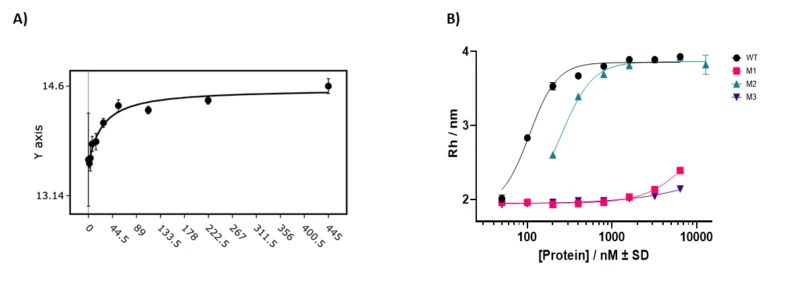
Fida is a powerful tool that can be used to measure interactions in solution by monitoring size changes.Kd values can be estimated by measuring the apparent size of the ligand at different analyte concentrations and plotting a binding curve. We have used Fida to measure protein-protein and protein-DNA interactions (Fig. 3).
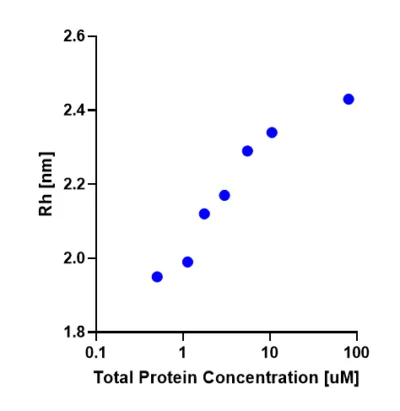
Fida is an excellent tool for assessing oligomeric state by measuring the absolute size of the analyte and comparing it to expected/predicted sizes. At Sygnature, we have used this to measure protein self-affinity and establish monomeric conditions (Fig. 4) for in-house crystallography projects.
Fida has had a significant impact on most areas of our work. It has been applied to dedicated projects and used as a tool to work smarter, sustaining high interest over multiple projects with several clients. One of the most important features of Fida is its quick time to first result, which allows us to rapidly evaluate protein samples and binding interactions. We can usually determine whether an interaction will be suitable for a Fida study within hours. We have used it to measure protein-protein and protein-ligand interactions, characterise intrinsically disordered proteins, study oligomeric state, and explore PROTACs – and that’s just scratching the surface of Fida’s capabilities, which include applications such measurement of protein aggregation and liquid-liquid phase separation.
Overall, Fida has proven to be an effective, versatile, and valuable platform for the Protein Science and Structural Biology Department at Sygnature Discovery. It has enabled us to advance our protein science projects and offer new capabilities to our clients. We are excited about the future of Fida and the possibilities it holds for our research and our clients.


Peak Proteins, NuChem Sciences, and SB Drug Discovery have now fully integrated with Sygnature Discovery.