


Featured Resources
-
STORM Therapeutics: From Lead to Pre-Candidate Nomination in 18 Months

STORM Therapeutics: From Lead to Pre-Candidate Nomination in 18 Months
Case study


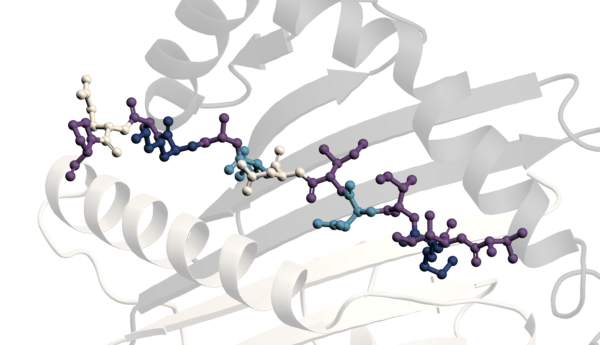


Discover precise insights into brain neurochemistry with Sygnature Discovery's in vivo microdialysis and cOFM services. With over 20 years of expertise, we design bespoke studies that reveal how compounds modulate neurotransmitter systems in health and disease. Using UHPLC/HPLC with electrochemical detection or mass spectrometry, we deliver robust PK/PD data to support confident CNS decision making.


July 30, 2015

Inobrodib, an exciting, first-in-class oral anti-cancer drug in clinical development by CellCentric, was collaboratively designed, synthesized and supported on its pre-clinical journey by an integrated project team at Sygnature Discovery. Inobrodib is now showing promising results in Phase I and II trials for multiple myeloma and other cancer types.

In drug discovery, generating targets is no longer the challenge. The real question is how to identify the few worth investing months of research and significant resources to pursue. Hear expert perspectives on how AI, pathway analysis and scientific expertise are shaping modern target identification.
July 7, 2026

Stay up to date with the latest company updates, milestones, and announcements.
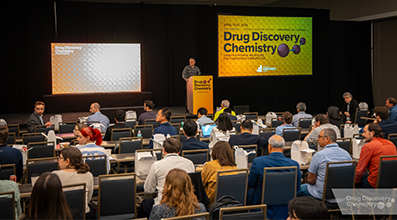
Explore upcoming conferences and scientific meetings where you can connect with our team.

At Sygnature Discovery, we deliver world-leading drug discovery solutions to accelerate your compound from idea to clinic.

Our leadership team brings diverse experience and insight, driving collaboration and innovation across drug discovery.

Explore careers at Sygnature Discovery and join a global team committed to science, collaboration, and integrity.
Inobrodib, an exciting, first-in-class oral anti-cancer drug in clinical development by CellCentric, was collaboratively designed, synthesized and supported on its pre-clinical journey by an integrated project team at Sygnature Discovery. Inobrodib is now showing promising results in Phase I and II trials for multiple myeloma and other cancer types.
At Sygnature Discovery, we deliver world-leading drug discovery solutions to accelerate your compound from idea to clinic.
Our leadership team brings diverse experience and insight, driving collaboration and innovation across drug discovery.
Explore careers at Sygnature Discovery and join a global team committed to science, collaboration, and integrity.
Beyond the DIO model, successful obesity therapies require more than just a demonstration of weight loss. In this case study, hear how we, at Sygnature Discovery, provide a comprehensive pre-clinical data package allowing you to select the right drug candidate to take into the clinic. Ultimately, saving your program time and money.
As the obesity treatment landscape evolves, it’s becoming increasingly important for developers to understand how therapies affect body composition, muscle health and overall function. These insights help differentiate potential drug candidates in a competitive obesity and metabolic therapeutics landscape.
At Sygnature Discovery, our in vivo Pharmacology team helps developers look beyond weight loss alone. By combining clinically relevant diet-induced obesity (DIO) models with advanced body composition, functional and tissue-level assessments, we provide the deeper biological insights needed to truly evaluate candidate quality, reduce development risk and support confident progression decisions.
In this case study, we demonstrate how our integrated approach revealed that Tirzepatide-induced weight loss was driven predominantly by fat reduction while preserving muscle structure and function.
Many obesity studies focus primarily on changes in body weight. However, weight loss alone does not reveal whether a therapy is delivering meaningful metabolic benefits.
For obesity therapies, it is increasingly important to understand whether weight loss is driven by reductions in fat mass while preserving lean muscle and physical function. Without additional data on body composition, it can be difficult to determine whether a candidate drug is truly delivering a desirable metabolic profile.
At Sygnature Discovery, we have over 20 years of experience using Diet Induced Obesity (DIO) mouse models to deliver actionable data and consultations to our clients. Our in vivo Pharmacology teams pride themselves on using their expertise to collaborate with our clients to deliver the appropriate in vivo models adapted to their desired outcome.
In the metabolic space, we differentiate ourselves by providing extensive body composition and locomotor data to our clients. Due to our integrated discovery pathway, in vivo Pharmacology joins the conversation earlier in the process. This early involvement provides key data that helps our customers identify the most promising candidates sooner. Thus, focusing subsequent effort on molecules that are the most likely to succeed in the clinic. Thereby reducing development risk, avoiding unnecessary investment, and accelerating program progression.
To demonstrate the power of our integrated workflow, our team evaluated the metabolic effects of Tirzepatide, a dual GLP-1/GIP receptor agonist, in a DIO mouse model.
Our study combined multiple, complementary endpoints, including:
This approach provided a detailed whole-body assessment of treatment effects.
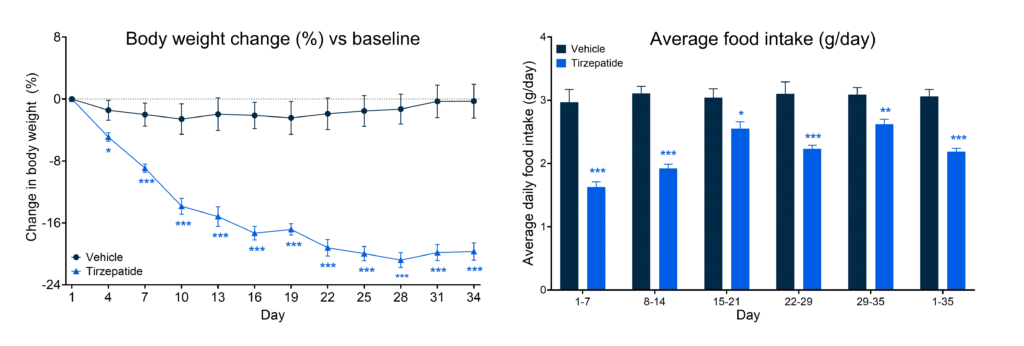
Tirzepatide treatment produced significant reductions in body weight (Figure 1a) and food intake in obese mice (Figure 1b). While these findings demonstrate efficacy, body weight reduction alone does not provide the complete picture needed to assess candidate quality and differentiation.
While Tirzepatide’s ability to induce weight loss is well established, Sygnature Discovery’s integrated approach provides deeper insight into the wider physiological effects of treatment. In addition to assessing body composition and muscle health, our studies can evaluate obesity-relevant organs such as the liver, heart, kidneys and brain, helping clients understand treatment effects beyond weight loss alone. As many patients receiving obesity therapies have associated metabolic and cardiovascular co-morbidities, these additional data can provide valuable context for candidate differentiation and progression decisions.
DEXA imaging revealed that up to 87% of total weight loss was attributable to fat mass, while lean mass accounted for only 12-16% of total loss and bone mineral content contributed less than 1%
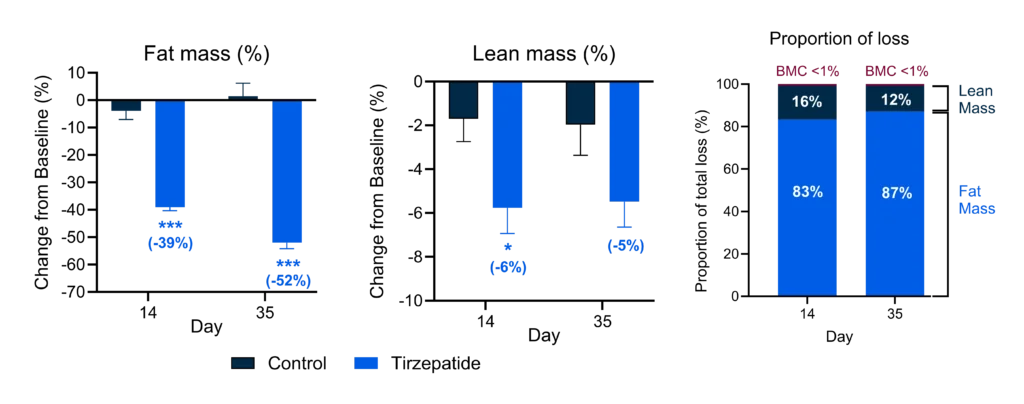
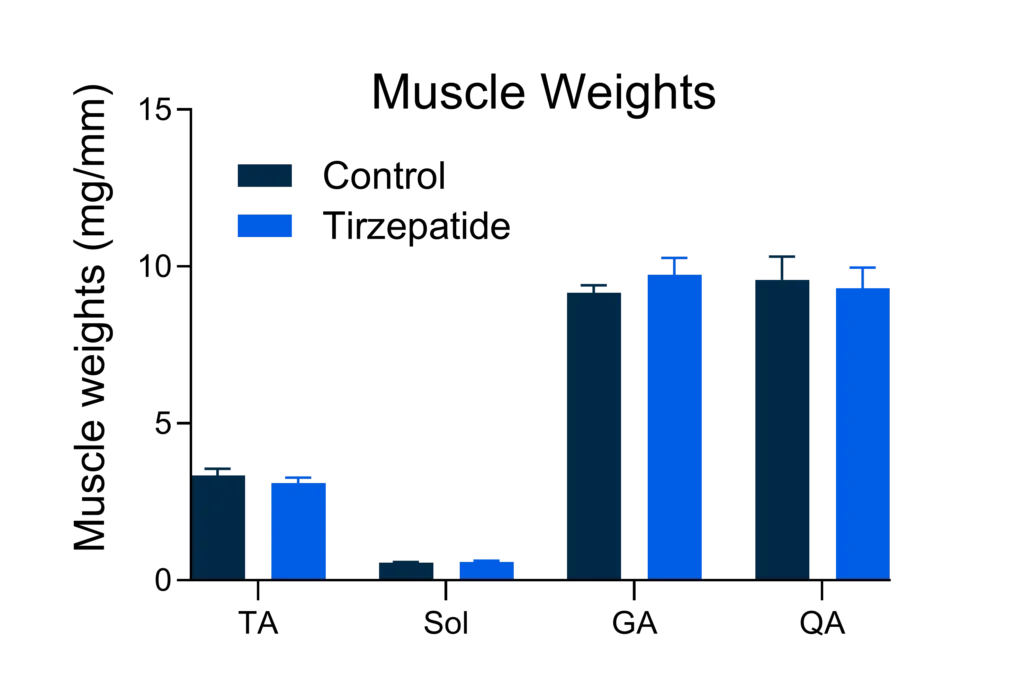
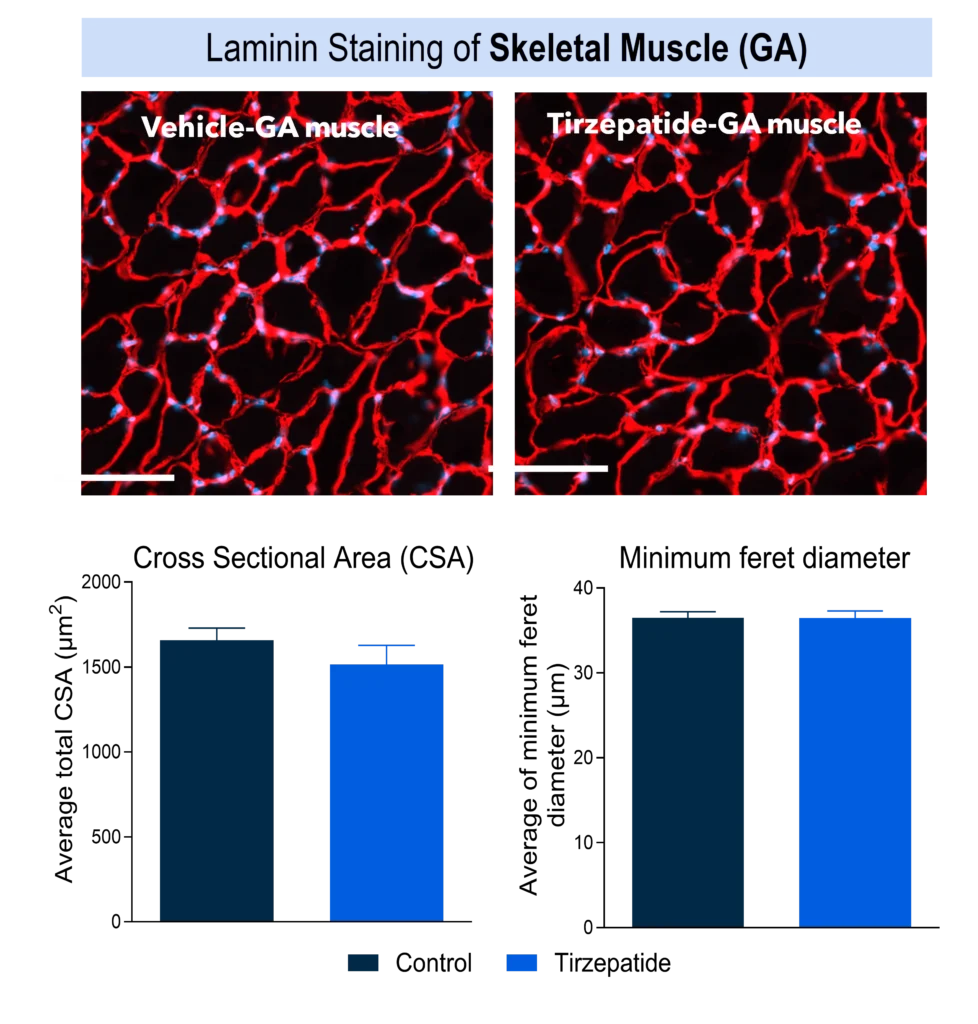
Histological assessment and ex vivo tissue skeletal muscle weight measurements demonstrated no evidence of muscle atrophy following treatment suggesting that changes in whole-body lean mass did not translate into measurable losses in key skeletal muscle tissues.
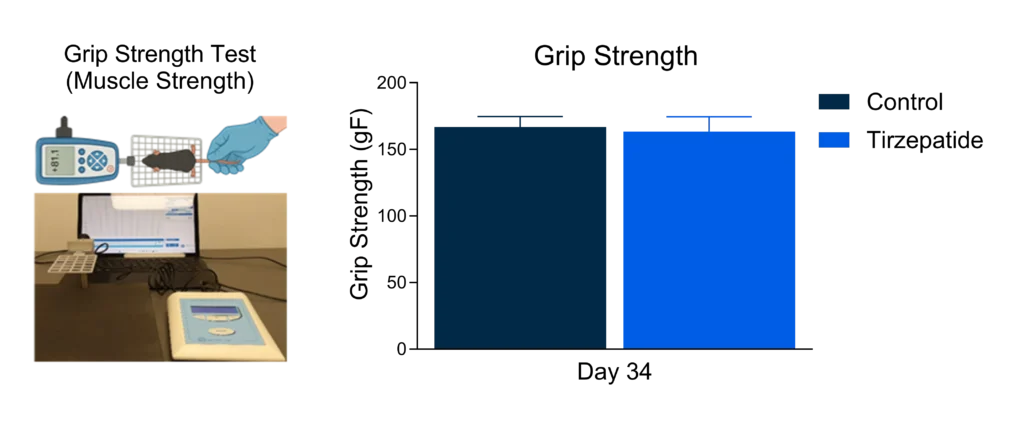
Absolute grip strength was maintained throughout the study, indicating that treatment-induced substantial weight loss was not associated with impaired muscle function.
Although ventricular weight was reduced following treatment, subsequent histological analysis revealed no evidence of structural changes to the heart or of cardiac muscle atrophy.
Tirzepatide treatment resulted in a significant reduction in liver weight. These findings would warrant further investigation into treatment-associated effects on metabolic health and hepatic tissue composition.
No significant changes were observed in kidney or brain weights, indicating that treatment effects were not associated with widespread reductions in organ mass.

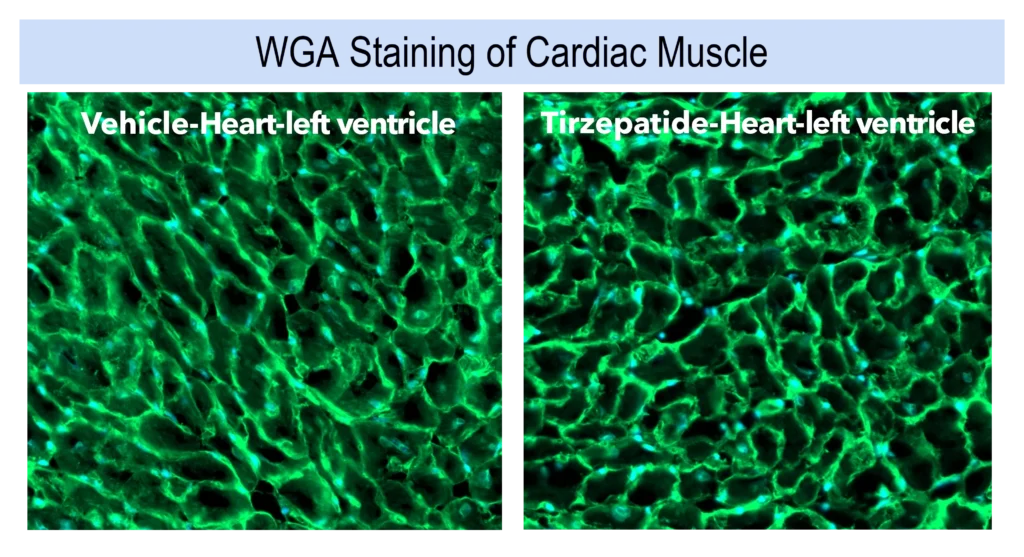

Tirzepatide-treated animals demonstrated increased locomotor activity, supported by velocity assessments, compared with controls. This provides further evidence that treatment was not associated with reduced physical performance.
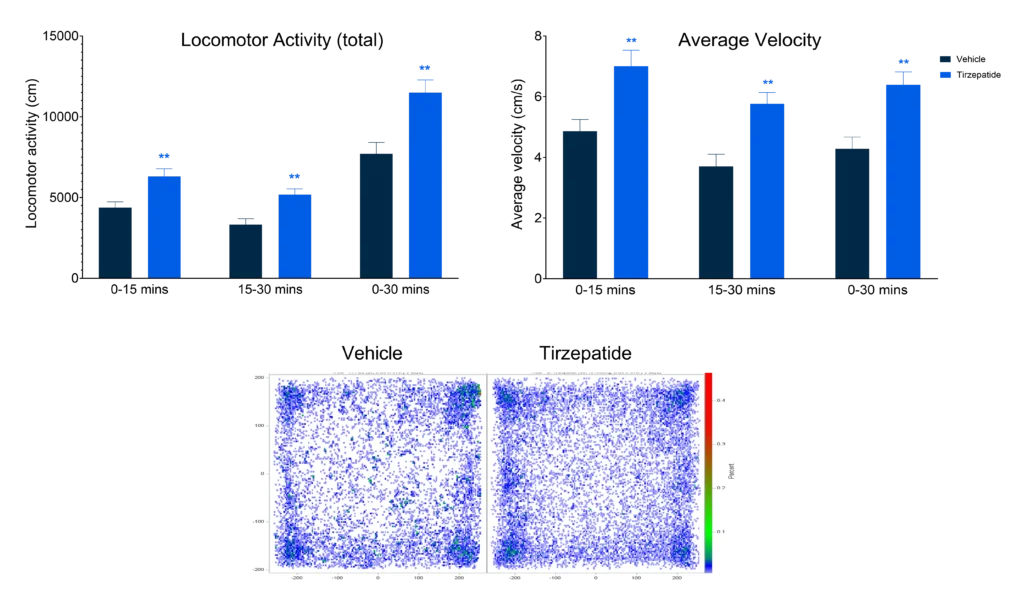
Together, these findings demonstrated that tirzepatide-induced weight loss occurred without evidence of compromised muscle health or function.
In an increasingly competitive obesity market, understanding the quality of weight loss is just as important as understanding the quantity of weight loss. Sponsors need confidence that efficacy is driven by meaningful reductions in fat mass while preserving muscle structure and function. Sygnature Discovery’s in vivo Pharmacology team is fully integrated within our broader drug discovery platform, by combining efficacy, body composition, functional assessments and tissue-level analyses within a single study, we generate the evidence needed to differentiate promising candidates earlier in development. Our scientists work collaboratively with clients to design studies around the biological questions that matter most, helping de-risk development programs reduce unnecessary investment and accelerate progression toward the clinic.
Sygnature’s in vivo Pharmacology team is fully embedded within our integrated drug discovery platform, working alongside Medicinal Chemistry, DMPK and Formulation & Formulation experts enabling efficient data-driven decision-making. By bringing these disciplines together, clients gain a more complete understanding of candidate performance earlier in development, enabling smarter optimization, reducing costly redesigns and accelerating progression towards the clinic.

Peak Proteins, NuChem Sciences, and SB Drug Discovery have now fully integrated with Sygnature Discovery.