


Featured Resources
-
STORM Therapeutics: From Lead to Pre-Candidate Nomination in 18 Months

STORM Therapeutics: From Lead to Pre-Candidate Nomination in 18 Months
Case study


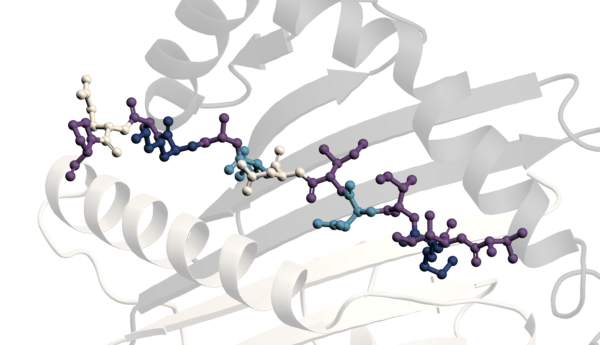


Discover precise insights into brain neurochemistry with Sygnature Discovery's in vivo microdialysis and cOFM services. With over 20 years of expertise, we design bespoke studies that reveal how compounds modulate neurotransmitter systems in health and disease. Using UHPLC/HPLC with electrochemical detection or mass spectrometry, we deliver robust PK/PD data to support confident CNS decision making.


July 30, 2015

Inobrodib, an exciting, first-in-class oral anti-cancer drug in clinical development by CellCentric, was collaboratively designed, synthesised and supported on its pre-clinical journey by an integrated project team at Sygnature Discovery. Inobrodib is now showing promising results in Phase I and II trials for multiple myeloma and other cancer types.

In drug discovery, generating targets is no longer the challenge. The real question is how to identify the few worth investing months of research and significant resources to pursue. Hear expert perspectives on how AI, pathway analysis and scientific expertise are shaping modern target identification.
July 7, 2026

Stay up to date with the latest company updates, milestones, and announcements.
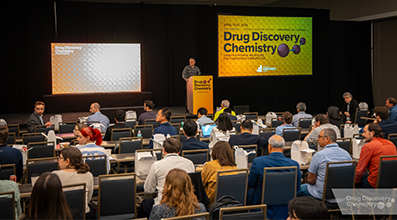
Explore upcoming conferences and scientific meetings where you can connect with our team.

At Sygnature Discovery, we deliver world-leading drug discovery solutions to accelerate your compound from idea to clinic.

Our leadership team brings diverse experience and insight, driving collaboration and innovation across drug discovery.

Explore careers at Sygnature Discovery and join a global team committed to science, collaboration, and integrity.
Inobrodib, an exciting, first-in-class oral anti-cancer drug in clinical development by CellCentric, was collaboratively designed, synthesised and supported on its pre-clinical journey by an integrated project team at Sygnature Discovery. Inobrodib is now showing promising results in Phase I and II trials for multiple myeloma and other cancer types.
At Sygnature Discovery, we deliver world-leading drug discovery solutions to accelerate your compound from idea to clinic.
Our leadership team brings diverse experience and insight, driving collaboration and innovation across drug discovery.
Explore careers at Sygnature Discovery and join a global team committed to science, collaboration, and integrity.
In drug discovery, understanding the structure and dynamics of target proteins is essential for rational design and optimisation of therapeutic compounds. Structural biology provides the tools to achieve this, offering atomic-level insights into biomolecular interactions. Currently, X-ray crystallography, cryo-electron microscopy (cryo-EM), and nuclear magnetic resonance (NMR) are the only techniques capable of achieving such resolution. It is important to emphasise that none of these methods is inherently superior; rather, they are complementary, as we have discussed in this blog.
However, sample preparation is critical for all structural biology techniques. In this article, we focus on the importance of protein deuteration in enhancing data quality for NMR studies.
Among these techniques, NMR offers unique advantages for drug discovery – particularly in studying proteins in solution, fragment-based screening, and characterising dynamic interactions. The quality of NMR data, however, is highly dependent on sample preparation. In this blog, we highlight the importance of protein deuteration in improving NMR data quality, especially for large protein targets.
NMR is a powerful and flexible technique that enables the study of biomolecules in solution, including small molecules, peptides, proteins, nucleic acids, carbohydrates, and lipids. Its ability to probe molecular dynamics and binding events in near-physiological conditions makes it especially valuable in early-stage drug discovery. While there is no strict size limit for NMR, larger proteins often present challenges due to signal overlap and reduced signal-to-noise (S/N) ratios.
To overcome these limitations, isotopic labelling with 15N and/or 13C and partial deuteration is commonly used. These isotopes must be incorporated through de novo synthesis, either in prokaryotic or eukaryotic expression systems. Once labelled, proteins can be analysed using 2D-NMR, where a single well-resolved signal is observed per every 1H/15N and/or 1H/13C correlation.
For proteins larger than ~25 kDa—common among drug targets—NMR spectra often suffer from broadened signals and poor S/N due to increased relaxation rates caused by ¹H–¹H dipolar coupling. One effective strategy to address this is deuteration: replacing non-exchangeable protons with deuterons (2H) in CH, CH2, and CH3 groups.
This is achieved by expressing the protein in partially or fully deuterated media — a service we offer as part of our protein expression platform. Deuteration reduces dipolar interactions, increases relaxation times, and significantly enhances the S/N ratio of 1H/15N resonances. As a result, researchers can obtain more complete and higher-quality datasets—not only for hydrogen and nitrogen atoms, but also for 1H/13C resonances when 13C labelling is included.
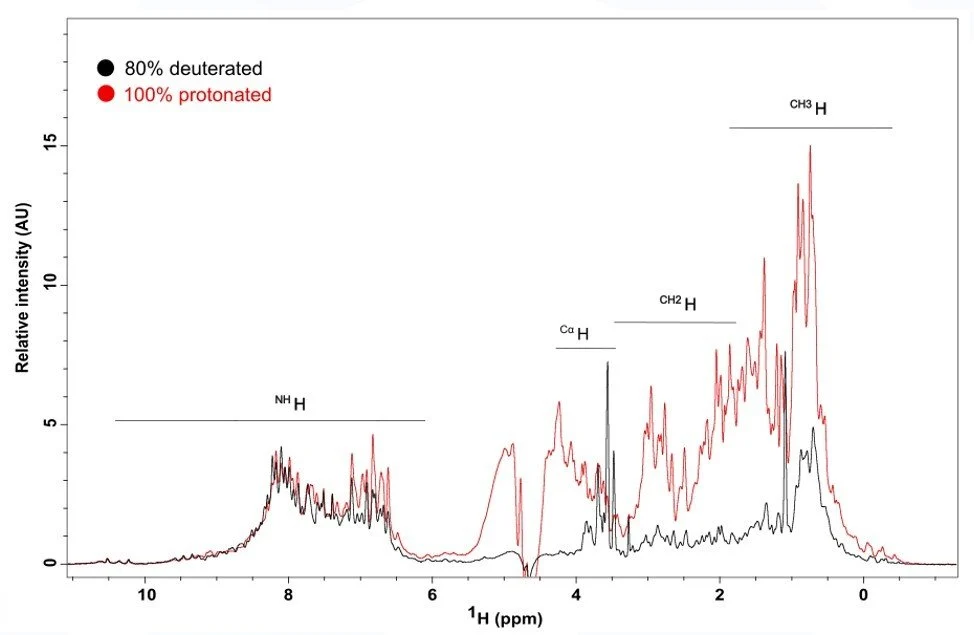
As an example, we present a case study from one of our internal development projects. We successfully replaced approximately 80% of the aliphatic protons with deuterons, as shown in the 1H NMR spectrum (Figure. 1, region -0.5 to 4.5 ppm).
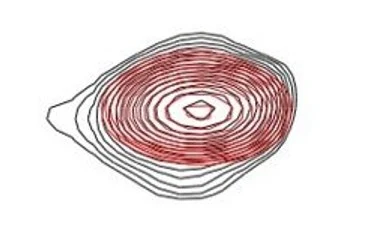
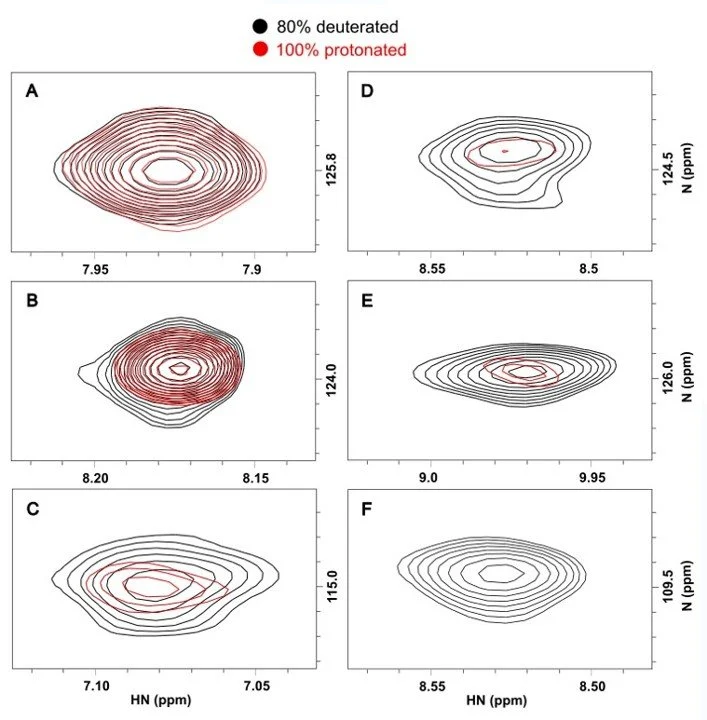
This 80% deuteration had a substantial impact on the quality of the 2D 1H/15N NMR spectra. As shown in Figure 2, several HN resonances exhibited marked improvements in S/N ratio, enabling more confident peak assignment and structural interpretation.
Deuteration is a powerful strategy to enhance NMR data quality, particularly for larger proteins that are often key targets in drug discovery. By improving signal resolution and completeness of datasets, deuteration enables more accurate structural insights, better fragment screening, and more informed decision-making in early-stage drug development.

Peak Proteins, NuChem Sciences, and SB Drug Discovery have now fully integrated with Sygnature Discovery.