Posters

All Topics
Loading…
Montana Molecular Cell-based Biosensor Assays for GPCR Drug Discovery and Characterization
Explore our high-throughput GPCR assays with Montana Molecular biosensors. Illuminate GPCR signaling in live cells with green/red biosensors for kinetic and endpoint responses. Tailored for cutting-edge drug discovery. Download findings now!
Posters
High Content Imaging Evos™ M7000
Dive into the advanced realm of high-content imaging with our detailed poster on “High…
Posters
CHARMED in Action
CHARMED in Action
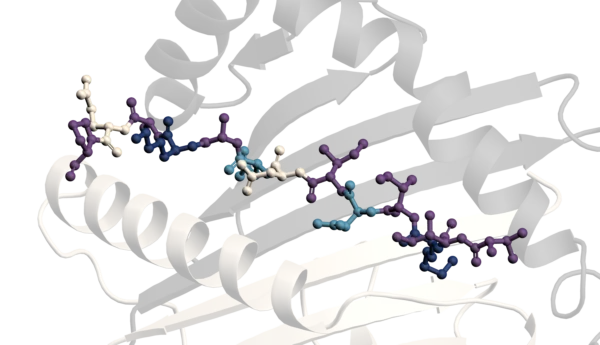
Discover CHARMED, Sygnature’s innovative PROTAC platform, showcasing rapid degrader identification demonstrated with SHP2 as a model oncology target. Explore our advancements in protein degradation.
Posters
Unlocking the Potential of iPSC Microglia
Explore the world of microglia in our study, revealing a model for understanding their role in neurodegenerative diseases and potential therapies. Join us in navigating the future of treatment for neurological disorders.
Posters
Comparing the efficiency of two therapies on DSS-Induced Colitis in Mice: Evaluation of Clinical Signs and Pro-Inflammatory Cytokine Secretion
Poster unveils DSS-induced colitis model, mirroring human ulcerative colitis. Explore IBD intricacies, from disrupted intestinal functions to evolving therapeutic strategies—a vital resource for researchers and enthusiasts alike.
Posters
LPS-induced cytokines release PK-PD study in mice serum
Explore cytokine dynamics in inflammation with our insightful poster, featuring advanced quantification techniques. Download for invaluable insights in immunology and drug discovery.
Posters
Anti-GBM serum induces early onset of autoimmune response and fibrosis in kidney of male Sprague Dawley rats.
Explore our rodent model mimicking human glomerulonephritis for preclinical testing of autoimmune kidney disease therapies. Uncover rapid onset kidney damage, inflammation, and fibrosis within 24 hours.
Posters
Preventative effects of dexamethasone in lipopolysaccharide-induced neuroinflammation
The study investigates the preventative effects of dexamethasone on lipopolysaccharide (LPS)-induced neuroinflammation. Neuroinflammation is associated…
Posters
In Vitro Microglia Models as a Screening Platform to Support Neuroinflammation Drug Discovery Programs
Our comprehensive selection of in vitro microglia models, including rat embryonic and adult primary microglia and human monocyte-derived microglia, allows us to provide invaluable tools for screening campaigns aimed at identifying novel drug targets and therapies for neuroinflammatory conditions.
Posters
The implantation site impacts the tumor growth kinetics and tumor immune infiltrate in EO771 and 4T1 syngeneic breast cancer models
Our study delves into the influence of implantation sites on syngeneic breast cancer models. We uncovered that the choice of site significantly impacts tumor growth, viability, and immune cell composition. Notably, the MFP9 site showed the best outcomes in both 4T1 and EO771 models. This research highlights the importance of considering implantation sites when assessing therapeutics with diverse mechanisms of action.
Posters
Combinations of immune checkpoint inhibitors with fractionated radiotherapy or DNA damage response agents leads to improved anti-tumor responses and modulates the tumor immune microenvironment.
Explore our study on the synergy between immune checkpoint inhibitors and radiotherapy in treating colorectal cancer. We found that this combination significantly boosts efficacy, with flow cytometry revealing insightful changes in the tumor microenvironment. Our research opens the door to improved cancer therapies, offering a platform for testing new drugs and novel treatment approaches.
Posters
Dexamethasone and Enalaprilat but not SB525334 exhibit anti-inflammatory properties in precision-cut kidney slices (PCKS) obtained from mice with Adriamycin-induced nephropathy
In a study assessing the effects of dexamethasone, enalaprilat, and SB525334 on kidney slices from adriamycin-exposed mice, it was found that dexamethasone and enalaprilat effectively reduced inflammation and, in dexamethasone’s case, mitigated fibrosis. These findings emphasize the importance of inflammation in adriamycin-induced nephropathy and the value of precision-cut kidney slices as a platform for evaluating anti-inflammatory and anti-fibrotic therapies.
Posters
Load More