


Featured Resources
-
STORM Therapeutics: From Lead to Pre-Candidate Nomination in 18 Months

STORM Therapeutics: From Lead to Pre-Candidate Nomination in 18 Months
Case study


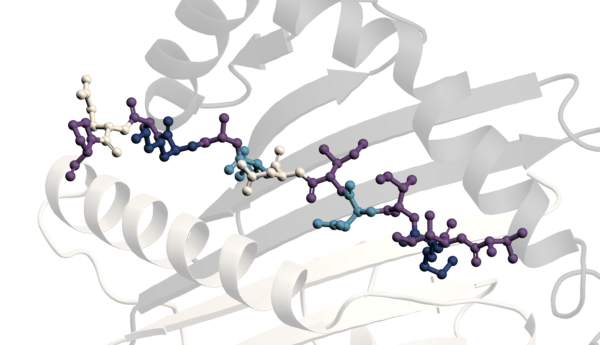


Discover precise insights into brain neurochemistry with Sygnature Discovery's in vivo microdialysis and cOFM services. With over 20 years of expertise, we design bespoke studies that reveal how compounds modulate neurotransmitter systems in health and disease. Using UHPLC/HPLC with electrochemical detection or mass spectrometry, we deliver robust PK/PD data to support confident CNS decision making.


July 30, 2015

Inobrodib, an exciting, first-in-class oral anti-cancer drug in clinical development by CellCentric, was collaboratively designed, synthesised and supported on its pre-clinical journey by an integrated project team at Sygnature Discovery. Inobrodib is now showing promising results in Phase I and II trials for multiple myeloma and other cancer types.

In drug discovery, generating targets is no longer the challenge. The real question is how to identify the few worth investing months of research and significant resources to pursue. Hear expert perspectives on how AI, pathway analysis and scientific expertise are shaping modern target identification.
July 7, 2026

Stay up to date with the latest company updates, milestones, and announcements.
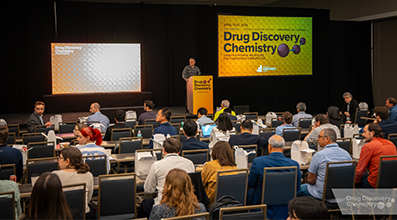
Explore upcoming conferences and scientific meetings where you can connect with our team.

At Sygnature Discovery, we deliver world-leading drug discovery solutions to accelerate your compound from idea to clinic.

Our leadership team brings diverse experience and insight, driving collaboration and innovation across drug discovery.

Explore careers at Sygnature Discovery and join a global team committed to science, collaboration, and integrity.
Inobrodib, an exciting, first-in-class oral anti-cancer drug in clinical development by CellCentric, was collaboratively designed, synthesised and supported on its pre-clinical journey by an integrated project team at Sygnature Discovery. Inobrodib is now showing promising results in Phase I and II trials for multiple myeloma and other cancer types.
At Sygnature Discovery, we deliver world-leading drug discovery solutions to accelerate your compound from idea to clinic.
Our leadership team brings diverse experience and insight, driving collaboration and innovation across drug discovery.
Explore careers at Sygnature Discovery and join a global team committed to science, collaboration, and integrity.
scientific solutions | bioscience
Tailored biochemical assays deliver high-quality, decision-driving data, designed around your target, built for speed and powered by collaborative science.

SUPPORTING YOUR RESEARCH
Every program begins with a conversation. We take time to understand your assay requirements and preferred modality of target interaction. From there, we select the most suitable assay technology and optimize parameters to balance sensitivity, signal window, and robustness. Where needed, we can bias the assay toward identifying molecules interacting via a specific mechanism of action.
Our optimization process includes defining the ideal buffer composition, calculating substrate Kₘ values, and identifying the lowest enzyme concentration that maintains linearity and reliability. During validation, we assess tool compound behavior and evaluate robustness, reproducibility, and plate effects.
Assay sensitivity is critical. Our experienced team can develop custom assays or refine commercial kits to ensure optimal data output. Whether your assays are continuous or endpoint, standalone or integrated with orthogonal techniques like SPR biophysical assays, we generate the data that drives your program forward. If commercial reagents are unavailable, our Protein Sciences team can produce custom reagents in-house.

Our Expertise in Target Classes
We have deep experience developing custom screening assays across a wide range of enzyme classes and targets:
Kinases, Phosphatases, PDEs, HDAC/HAT
Helicases, Polymerases, Nucleases, Translocases
Proteases, DUBs, Transferases, Methyltransferases, Oxidoreductases, ATPases, Lyases.
Assay Formats and Technologies
To support your projects, we use a broad range of technology platforms to develop and run assays with precision and flexibility.
Absorbance
Fluorescence intensity & polarization
FRET/TR -FRET
AlphaScreen® & AlphaLisa®
BRET/NanoBRET
We use advanced automation platforms to miniaturize assays, increase throughput, reduce costs, and improve data robustness. Assays can be run in 96, 384, or 1536-well formats with high precision—ideal for compound profiling.
Our PHERAstar® FSX multiwavelength microplate reader, considered an industry gold standard, delivers unmatched sensitivity and speed. It includes an Advanced Assay Stability system for stabilizing surrounding temperature and reducing evaporation for particularly temperature sensitive targets. Additional instrumentation includes the MSD QuickPlex for ECL immunoassays, Luminex MAGPIX for multiplex analyte detection, and Envision multimode readers.
Understanding enzyme kinetics is essential to drug discovery. Our scientists are experts in characterizing kinetic profiles and mechanisms of action, delivering high-quality data to guide your program. We tailor assay formats to match your target and the intended mode of action for your modulator.
Resource hub


We bring together a dynamic blend of new talent and experienced pharmaceutical industry experts from a round the world, delivering excellence across every stage of discovery.

High-throughput biophysical solutions for binding, kinetics, and target engagement combining advanced technologies with deep expertise to guide drug discovery.
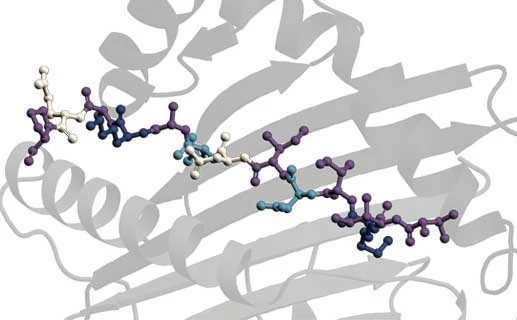
Main home page for the Protein Science and Structural Biology Department. We take time to understand your target and the ultimate aims of the project and tailor our approach accordingly.

Comprehensive target class solutions integrate advanced assays, structural biology, and medicinal chemistry to accelerate hit-to-lead and candidate selection.

Peak Proteins, NuChem Sciences, and SB Drug Discovery have now fully integrated with Sygnature Discovery.


