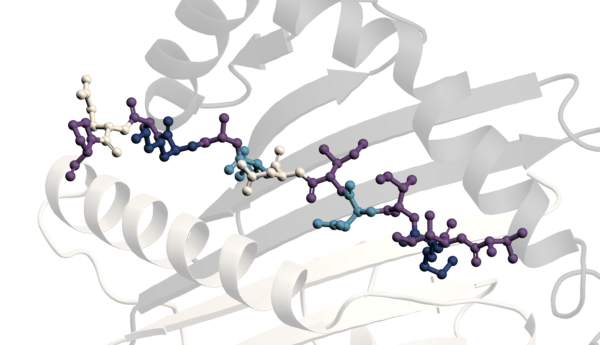

It’s important to lay strong foundations for successful drug discovery at this first stage of the process. Our integrated target identification and validation platform combines AI with expert insights, and rigorous lab validation to guide targets through robust evaluation, ready for hit discovery.
Validated, high-quality hits, delivered through integrated technologies and expert collaboration, give you a confident starting point for faster drug discovery.
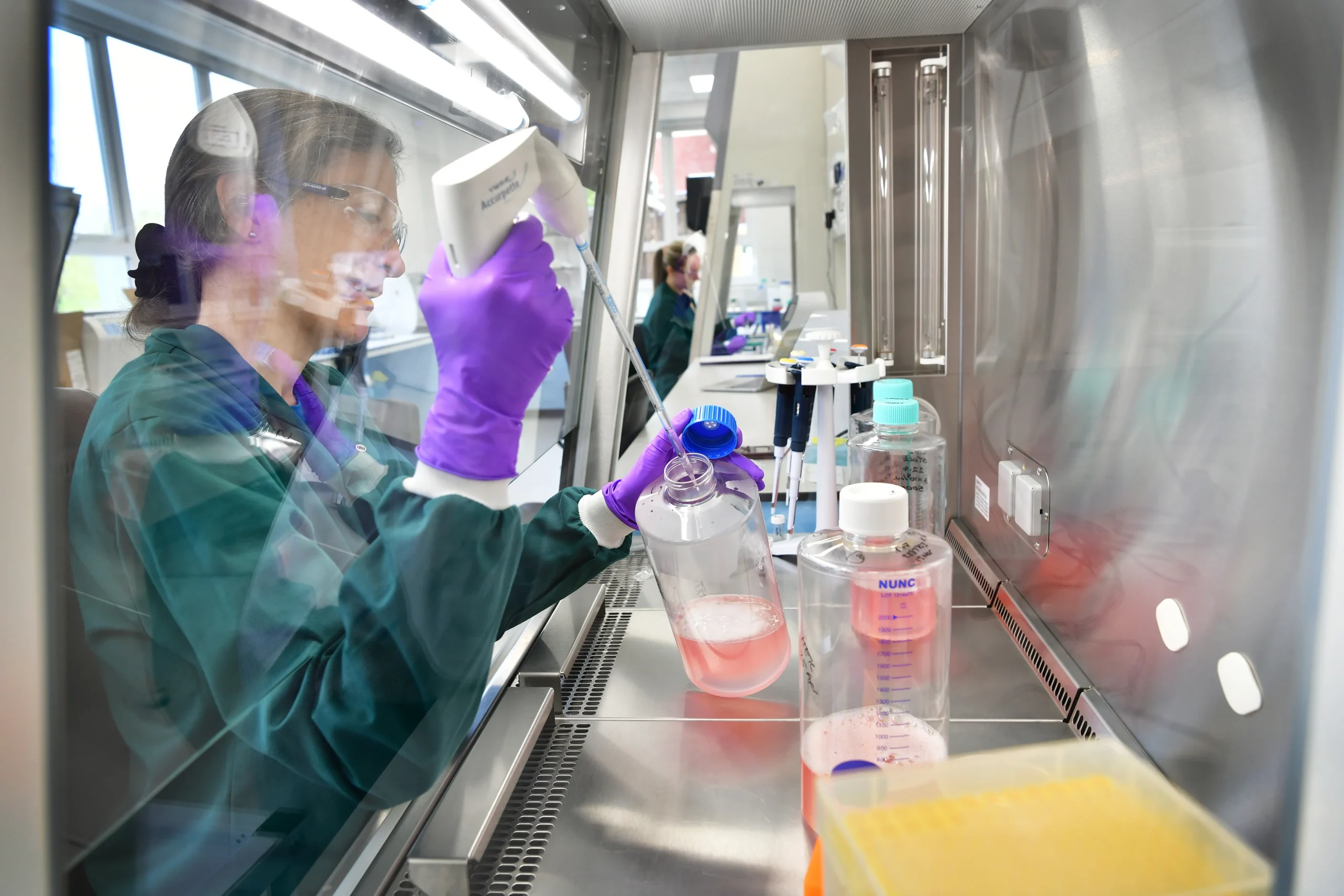
Turning promising leads into clinical candidates with speed, precision, and the scientific expertise to generate high-quality data and deliver real patient impact.
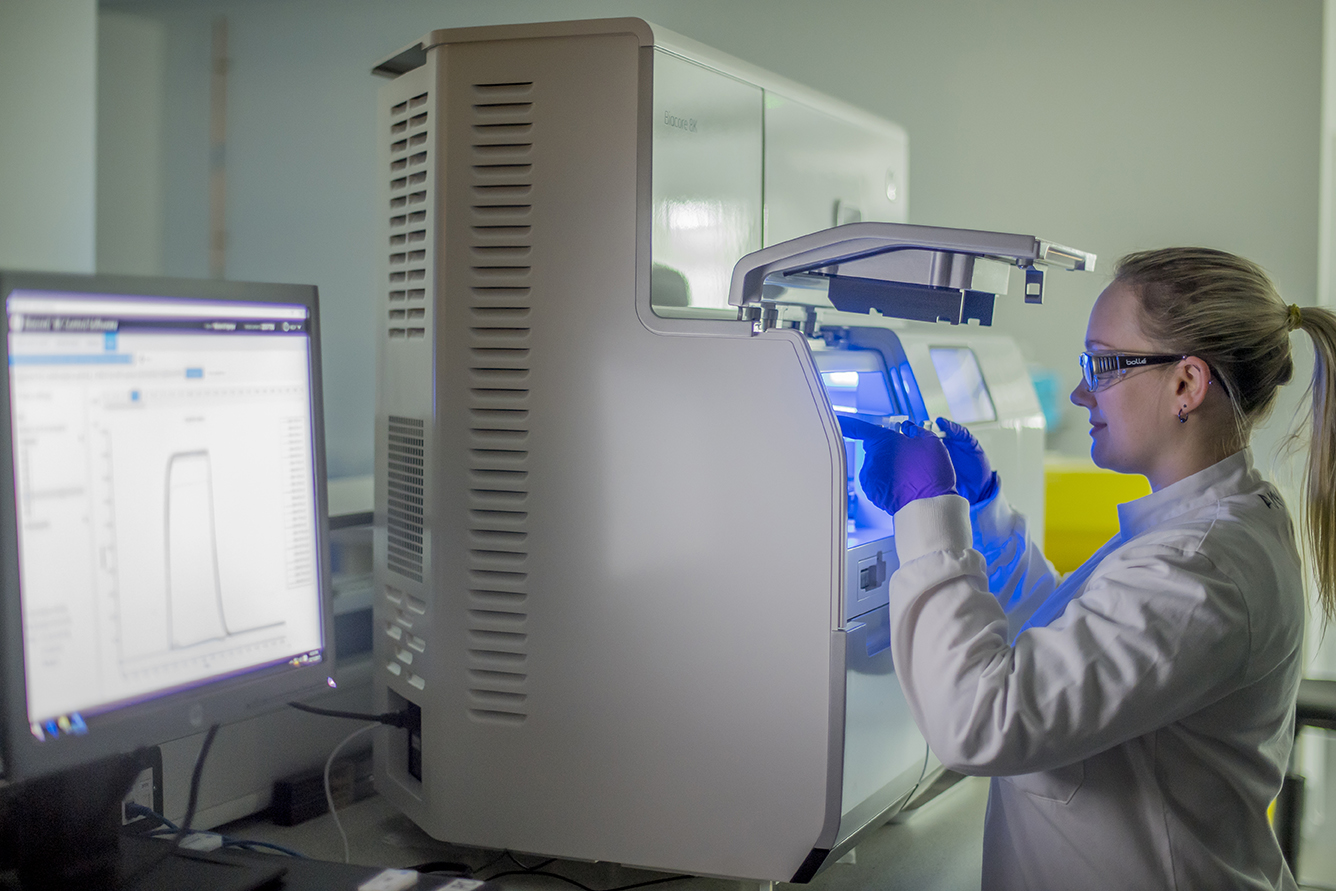
Delivering integrated, modality-agnostic drug discovery to tackle complex biology, accelerate development, and advance innovative therapies with confidence.
Advancing next-generation ADCs through payload-focused design, integrated expertise, and collaborative innovation to deliver safer, more selective therapies.
Driving biologics innovation through integrated design, structural biology, and multidisciplinary expertise to accelerate next-generation therapies from concept to clinic.
Combining deep therapeutic expertise with translational insight to design strategies, reduce risk, and accelerate discovery programs toward clinical success.
Accelerating oncology drug discovery through integrated expertise, innovative modalities, and translational insight to deliver candidates with real clinical impact.
Driving immunology and inflammation drug discovery through tailored assays, translational models, and integrated expertise for faster clinical success.
Advancing CNS drug discovery through integrated models, translational biomarkers, and multidisciplinary expertise to overcome complexity and accelerate therapeutic innovation.
Designing and advancing differentiated small-molecule therapies for obesity and diabetes through integrated expertise, mechanistic insight, and translational strategies.
Inobrodib, an exciting, first-in-class oral anti-cancer drug in clinical development by CellCentric, was collaboratively designed, synthesised and supported on its pre-clinical journey by an integrated project team at Sygnature Discovery. Inobrodib is now showing promising results in Phase I and II trials for multiple myeloma and other cancer types.
It’s important to lay strong foundations for successful drug discovery at this first stage of the process. Our integrated target identification and validation platform combines AI with expert insights, and rigorous lab validation to guide targets through robust evaluation, ready for hit discovery.
Validated, high-quality hits, delivered through integrated technologies and expert collaboration, give you a confident starting point for faster drug discovery.
Turning promising leads into clinical candidates with speed, precision, and the scientific expertise to generate high-quality data and deliver real patient impact.
Delivering integrated, modality-agnostic drug discovery to tackle complex biology, accelerate development, and advance innovative therapies with confidence.
Advancing next-generation ADCs through payload-focused design, integrated expertise, and collaborative innovation to deliver safer, more selective therapies.
Driving biologics innovation through integrated design, structural biology, and multidisciplinary expertise to accelerate next-generation therapies from concept to clinic.
Combining deep therapeutic expertise with translational insight to design strategies, reduce risk, and accelerate discovery programs toward clinical success.
Accelerating oncology drug discovery through integrated expertise, innovative modalities, and translational insight to deliver candidates with real clinical impact.
Driving immunology and inflammation drug discovery through tailored assays, translational models, and integrated expertise for faster clinical success.
Advancing CNS drug discovery through integrated models, translational biomarkers, and multidisciplinary expertise to overcome complexity and accelerate therapeutic innovation.
Designing and advancing differentiated small-molecule therapies for obesity and diabetes through integrated expertise, mechanistic insight, and translational strategies.
Inobrodib, an exciting, first-in-class oral anti-cancer drug in clinical development by CellCentric, was collaboratively designed, synthesised and supported on its pre-clinical journey by an integrated project team at Sygnature Discovery. Inobrodib is now showing promising results in Phase I and II trials for multiple myeloma and other cancer types.
Exploring mechanisms and treatments for Inflammatory bowel disease (IBD): using the DSS mouse model.
Inflammatory bowel disease (IBD) describes multiple inflammatory conditions affecting the gastrointestinal tract, with ulcerative colitis and Crohn’s disease being the most prominent types. It is a disease of complex etiology, including both environmental and genetic factors which lead to immune dysregulation and inflammation.
Animal models of intestinal inflammation have provided a wealth of information about mucosal immunology, the mechanisms associated with the maintenance of intestinal homeostasis, and the development of intestinal inflammation seen in IBD. These models are indispensable tools to decipher underlying mechanisms of IBD pathogenesis as well as to evaluate several potential therapeutics. Among various chemically induced colitis models, the dextran sulfate sodium (DSS)-induced colitis model is widely used due to its simplicity and recapitulation of several features observed in human ulcerative colitis. Despite not capturing all aspects of human IBD, the DSS-induced colitis model is a cornerstone in IBD research.
This study provides a comprehensive overview of this invaluable mouse model and describes the mechanism of action of DSS, inflammatory changes induced by DSS administration and the current therapeutic interventions.
1- DSS disrupts intestinal barrier function.
DSS is a water soluble, negatively charged sulfated polysaccharide with a highly variable molecular weight ranging from 5 to 1400 kDa. Murine colitis results from administration of DSS added to drinking water. The most severe murine colitis, which most closely resembles human results from administration of 40-50 kDa DSS in drinking water. DSS acts as a direct chemical toxin to the colonic epithelium, resulting in the disruption of the intestinal epithelial monolayer. This leads to entry of luminal bacteria into the mucosa and dissemination of pro-inflammatory intestinal contents into the underlying tissue.
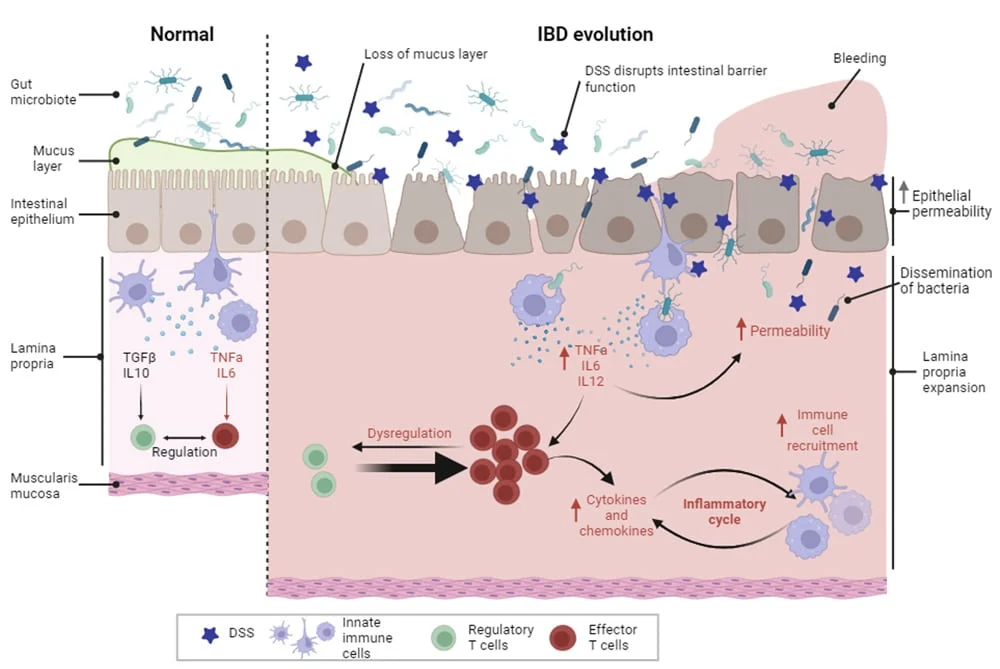
DSS alters properties of colonic mucus: MUC2 is the main structural component of intestinal mucus and provides significant protection to the colon epithelial cells from excessive contact with bacteria. DSS penetrates the mucosal network and creates opening pores that disrupt its structure by interacting with MUC2. The reduced thickness of the colon promotes the entry of microorganisms that reach the intestinal cells.
Disruption of tight junctions and increase in permeability: Barrier dysfunction in IBD is caused by alteration in the expression and function of tight junction proteins, leading to poorly adherent mucosa. This change in composition and function leads to an increase in intestinal permeability, permitting entry of commensal bacteria and leading to a decrease in transepithelial resistance.
Figure 1: Mechanism of DSS-induced colitis. DSS-induced colitis is caused by the loss of epithelial barrier function and resulting entry of pathogens into the lamina propria. Such entry results in stimulation of innate and adaptive immune cells and secretion of pro-inflammatory cytokines and chemokines. In addition, it results in the recruitment of cells with cytotoxic ability such as inflammatory macrophages. This chronic inflammation in the gastrointestinal tract mimics IBD disease in humans, including Crohn’s disease and colitis. Adapted from Abraham C, Cho JH. Inflammatory bowel disease. N Engl J Med. 2009 Nov 19;361(21):2066-78.
2- The intestinal immune response:
The intestinal lamina propria contains a complex population of immune cells that balance the requirement for immune tolerance of luminal microbiota with the need to defend against pathogens. The hallmark of active inflammatory bowel disease is the substantial recruitment of both innate and adaptive immune cells into the lamina propria.
In healthy persons: The lamina propria normally contains a diverse array of immune cells and secreted cytokines. These include anti-inflammatory mediators (TGF-β and interleukin-10) that down-regulate immune responses, as well as pro-inflammatory mediators from both innate and adaptive immune cells that limit excessive entry of intestinal microbiota and defend against pathogens. A homeostatic balance is maintained between regulatory T cells and effector T cells.
In IBD disease: Innate immune cells produce increased levels of TNF-α, interleukin-1β, IL-6 or IL-12 and chemokines. There is marked expansion of the lamina propria, with increased numbers of pro-inflammatory T-cells, which also secrete increased levels of cytokines and chemokines. Increased production of chemokines results in recruitment of additional leukocytes, resulting in a cycle of inflammation.
3- Therapeutic approaches:
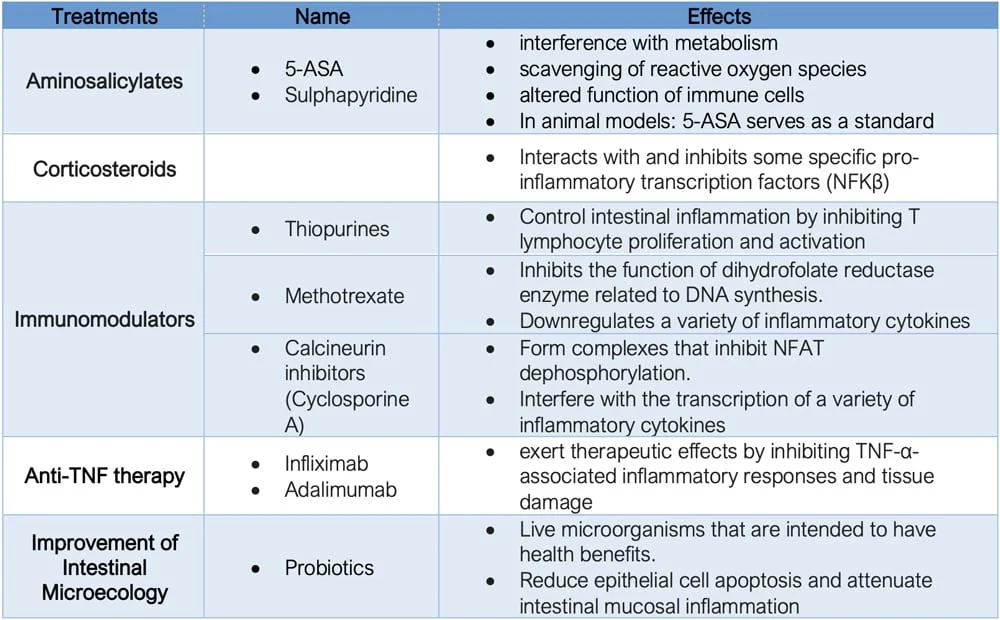
Therapeutic options for IBD have expanded rapidly over the past few years. Conventional treatments control symptoms through pharmacotherapy, and include aminosalicylates, corticosteroids and immunomodulators. Several new strategies are emerging, involving TNF inhibitors and probiotics administration.
The DSS-induced colitis model has proven to be an invaluable model that provides an inexpensive, simple, and reproducible method to elucidate various aspects of the role of colonic mucus in barrier integrity, alterations in epithelial cells and changes in immune cells recruitment that are related to the pathogenesis of IBD. This model, in skilled hands, represents a powerful tool for investigating any aspect of the increasingly complex gastrointestinal environment or for evaluating therapeutic strategies aimed at preventing or ameliorating the progression of the disease.
References
Chassaing B, Aitken JD, Malleshappa M, Vijay-Kumar M. Dextran sulfate sodium (DSS)-induced colitis in mice. Curr Protoc Immunol. 2014 Feb 4;104:15.25.1-15.25.14.
Abraham C, Cho JH. Inflammatory bowel disease. N Engl J Med. 2009 Nov 19;361(21):2066-78.
Katsandegwaza B, Horsnell W, Smith K. Inflammatory Bowel Disease: A Review of Pre-Clinical Murine Models of Human Disease. Int J Mol Sci. 2022 Aug 19;23(16):9344.
Johansson ME, Gustafsson JK, Sjöberg KE, Petersson J, Holm L, Sjövall H, Hansson GC. Bacteria penetrate the inner mucus layer before inflammation in the dextran sulfate colitis model. PLoS One. 2010 Aug 18;5(8):e12238.
Grondin JA, Kwon YH, Far PM, Haq S, Khan WI. Mucins in Intestinal Mucosal Defense and Inflammation: Learning From Clinical and Experimental Studies. Front Immunol. 2020 Sep 4;11:2054.
Eichele DD, Kharbanda KK. Dextran sodium sulfate colitis murine model: An indispensable tool for advancing our understanding of inflammatory bowel diseases pathogenesis. World J Gastroenterol. 2017 Sep 7;23(33):6016-6029.
Cai Z, Wang S, Li J. Treatment of Inflammatory Bowel Disease: A Comprehensive Review. Front Med (Lausanne). 2021 Dec 20;8:765474.