

Featured Resources
-
STORM Therapeutics: From Lead to Pre-Candidate Nomination in 18 Months

STORM Therapeutics: From Lead to Pre-Candidate Nomination in 18 Months
Case study
📣From lead to pre-candidate nomination in 18 months. Explore the STORM Therapeutics case study




July 30, 2015

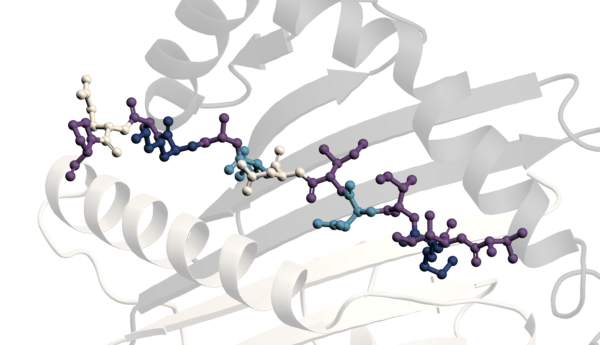
Inobrodib, an exciting, first-in-class oral anti-cancer drug in clinical development by CellCentric, was collaboratively designed, synthesised and supported on its pre-clinical journey by an integrated project team at Sygnature Discovery. Inobrodib is now showing promising results in Phase I and II trials for multiple myeloma and other cancer types.

At Sygnature Discovery, we deliver world-leading drug discovery solutions to accelerate your compound from idea to clinic.

Our leadership team brings diverse experience and insight, driving collaboration and innovation across drug discovery.

Explore careers at Sygnature Discovery and join a global team committed to science, collaboration, and integrity.
Inobrodib, an exciting, first-in-class oral anti-cancer drug in clinical development by CellCentric, was collaboratively designed, synthesised and supported on its pre-clinical journey by an integrated project team at Sygnature Discovery. Inobrodib is now showing promising results in Phase I and II trials for multiple myeloma and other cancer types.
At Sygnature Discovery, we deliver world-leading drug discovery solutions to accelerate your compound from idea to clinic.
Our leadership team brings diverse experience and insight, driving collaboration and innovation across drug discovery.
Explore careers at Sygnature Discovery and join a global team committed to science, collaboration, and integrity.
For biotech and pharma teams under pressure to move fast, the biggest risks often aren’t in the science, they’re in the handoffs. Working across multiple vendors or loosely connected internal teams can lead to:
These frictions don’t just slow things down, they increase cost, risk, and the likelihood of having to rework what’s already been done.
In an ideal world, a discovery program would flow seamlessly from early SAR exploration to preclinical candidate nomination, with chemistry at its core, connected to biology, DMPK, protein sciences, and informatics in real time.
A modern chemistry strategy should include:
That’s not just operational efficiency, it’s a competitive advantage.
One of the key inflection points in any drug discovery project is the transition from exploratory chemistry to scale-up. It’s often where momentum is lost, not because of scientific failure, but because of lack of preparedness.
Phase-appropriate process development, smart purification strategies, and continuity between discovery and preclinical supply are essential to cross that gap smoothly. That doesn’t mean jumping to GMP before it’s necessary, but it does mean thinking ahead.
Few things frustrate a program more than knowing what needs to be made, but not being able to isolate it at the right purity, at the right scale, or in the right timeframe.
The ability to pivot between analytical HPLC, prep HPLC, and preparative SFC, with no equipment limitations, can make or break a program’s momentum. Especially when:
A separation sciences strategy built for speed, flexibility, and precision can turn weeks of troubleshooting into a day’s work.
More and more teams are recognizing that the value of chemistry isn’t just in the molecules, it’s in the choices it enables. When purification, process development, analytical chemistry, and design are aligned, drug discovery becomes more than a sprint, it becomes scalable.
Programs that succeed in today’s market are built on:
This isn’t about adding layers of complexity. It’s about reducing friction, and letting innovation move at the pace it was meant to.
You’ve probably worked with a CRO, or multiple, where bottlenecks started to appear once complexity increased: a novel structure with tricky solubility, a late-stage scale-up need, a molecule that failed purification at a critical moment.
That’s where integrated chemistry, separation sciences, and scalability aren’t just differentiators, they’re project-savers.
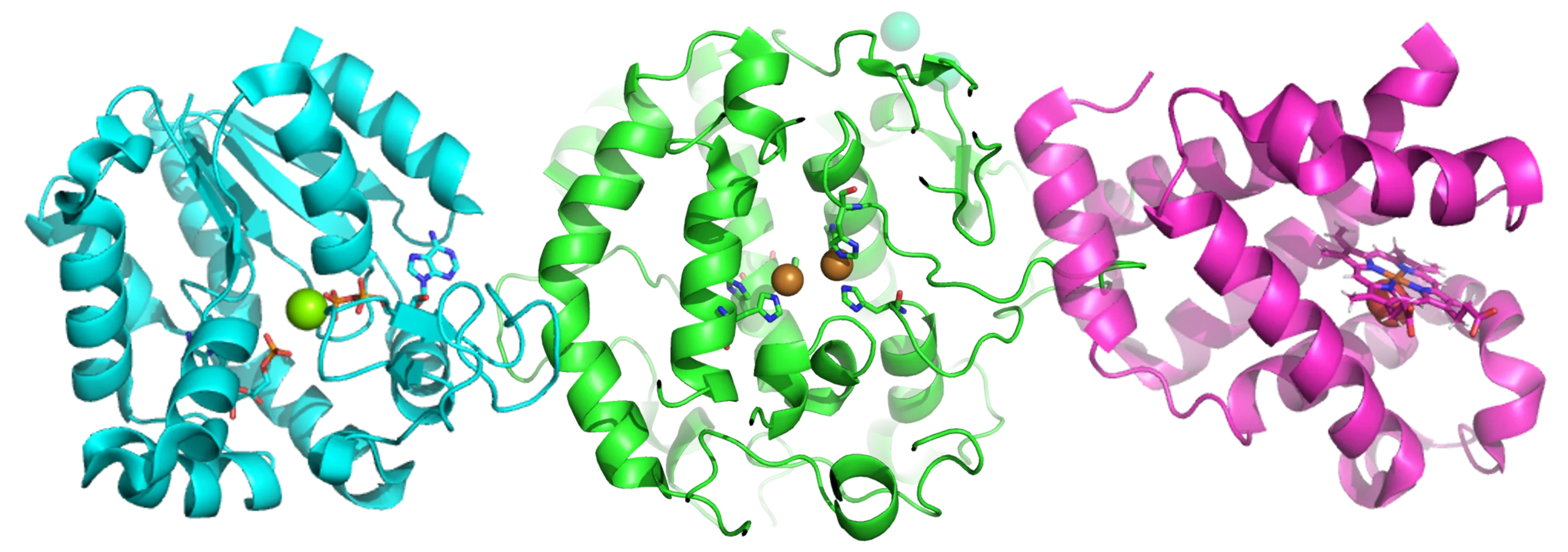
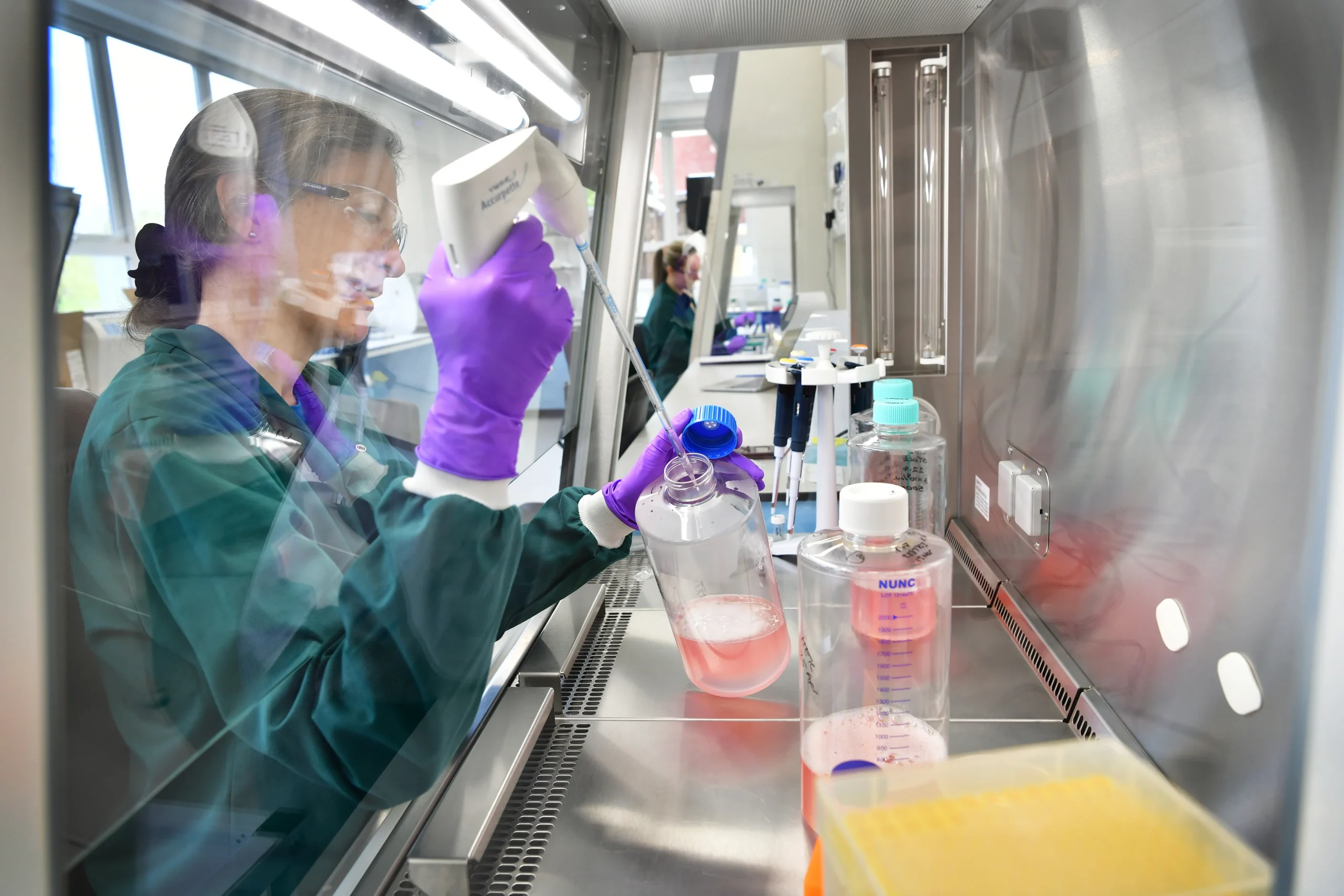
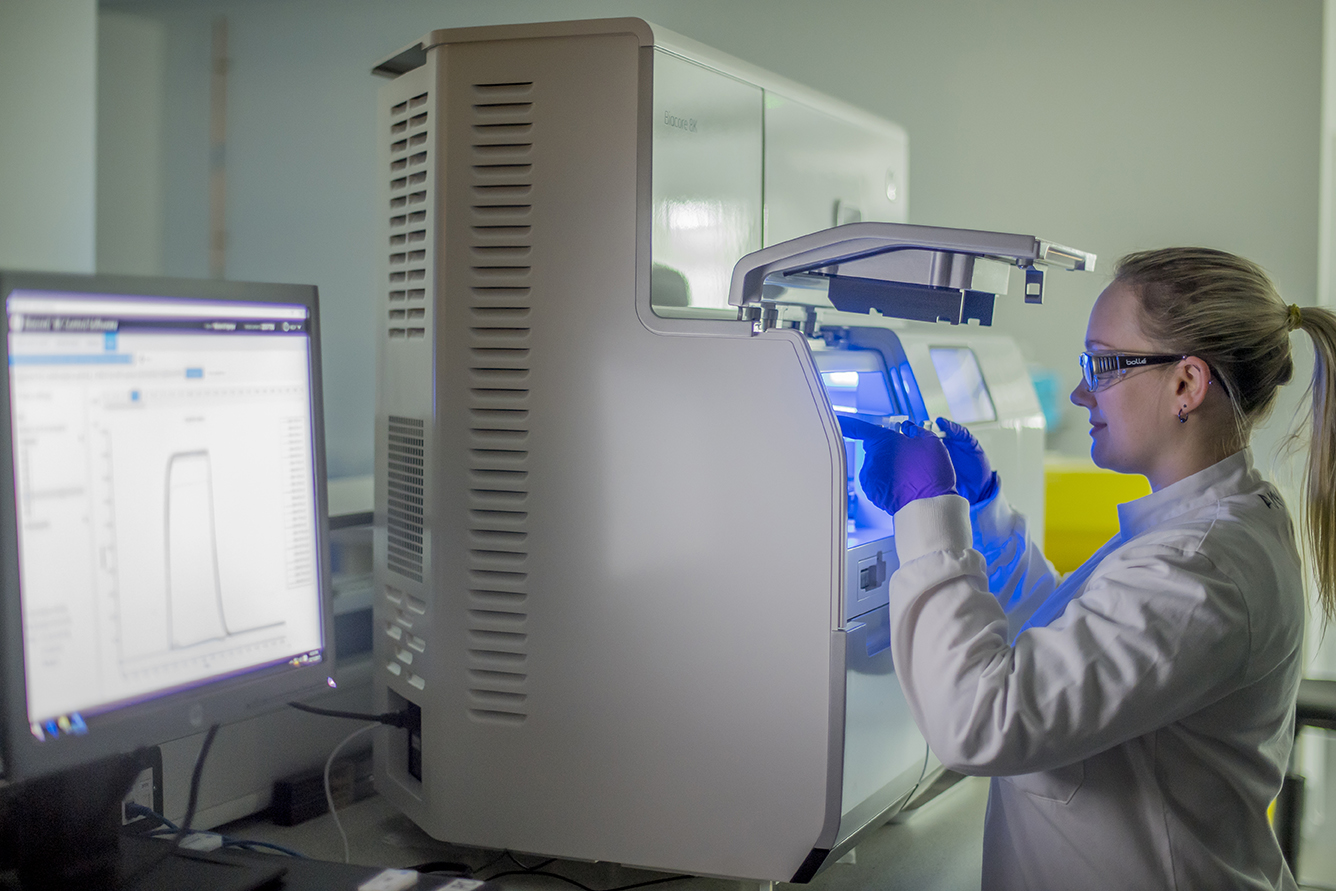

Peak Proteins, NuChem Sciences, and SB Drug Discovery have now fully integrated with Sygnature Discovery.