


Featured Resources
-
STORM Therapeutics: From Lead to Pre-Candidate Nomination in 18 Months

STORM Therapeutics: From Lead to Pre-Candidate Nomination in 18 Months
Case study
📣From lead to pre-candidate nomination in 18 months. Explore the STORM Therapeutics case study




July 30, 2015

Inobrodib, an exciting, first-in-class oral anti-cancer drug in clinical development by CellCentric, was collaboratively designed, synthesised and supported on its pre-clinical journey by an integrated project team at Sygnature Discovery. Inobrodib is now showing promising results in Phase I and II trials for multiple myeloma and other cancer types.

At Sygnature Discovery, we deliver world-leading drug discovery solutions to accelerate your compound from idea to clinic.

Our leadership team brings diverse experience and insight, driving collaboration and innovation across drug discovery.

Explore careers at Sygnature Discovery and join a global team committed to science, collaboration, and integrity.
Inobrodib, an exciting, first-in-class oral anti-cancer drug in clinical development by CellCentric, was collaboratively designed, synthesised and supported on its pre-clinical journey by an integrated project team at Sygnature Discovery. Inobrodib is now showing promising results in Phase I and II trials for multiple myeloma and other cancer types.
At Sygnature Discovery, we deliver world-leading drug discovery solutions to accelerate your compound from idea to clinic.
Our leadership team brings diverse experience and insight, driving collaboration and innovation across drug discovery.
Explore careers at Sygnature Discovery and join a global team committed to science, collaboration, and integrity.
scientific solutions | in vivo pharmacology
Sygnature Discovery accelerates inflammation and immunology research by connecting in vitro insights with in vivo outcomes. Our integrated drug discovery services combine biomarker discovery, disease expertise, and advanced pharmacology to deliver robust, decision-ready data. From early screening to translational models, we help you move fast towards clinical success.

SUPPORTING YOUR RESEARCH
Every project is tailored to your therapeutic goals, supported by dedicated therapeutic area leads and an expert in vivo pharmacology team. We offer comprehensive in vivo profiling, including physiological measures such as temperature, alongside advanced biomarker analysis using MSD, qPCR and histology to deliver robust, decision-making data.

in vivo Inflammation and Immunology Model Expertise
Our inflammation and immunology portfolio covers systems, tissue-specific and autoimmune conditions. Models can be tailored to your therapeutic modality and endpoints, allowing precise evaluations of efficacy and mechanism of action.
Neuro inflammation, kidney inflammation, and
systemic inflammation models provide
mechanistic insights and translational data for
neurodegenerative and inflammatory disease.
Systemic IL-13 administration activates the JAK –STAT6 pathway, driving eosinophil recruitment and tissue inflammation. The model provides a relevant platform for evaluating anti-inflammatory therapeutics targeting IL-13 signalling or its downstream pathways.
Carrageenan-induced paw edema model for
screening anti-inflammatory agents, triggered by
local release of cytokines and prostaglandins.
Topical imiquimod (IMQ) creates psoriasis-like skin lesions, enabling quick assessment of anti-psoriatic candidates.
Repeated hapten application induces Th2 polarization and dermatitis, mimicking human atopic conditions.
A well-established model of ulcerative colitis, replicating symptoms such as weight loss and diarrhoea for anti-IBD drug evaluation.
Immunizing with type II collagen induces rheumatoid arthritis-like symptoms for testing anti-arthritic therapies.
Instead of using the antigen, collagen, a cocktail of antibodies against collagen might be used to induce rheumatoid arthritis in rodents with a shorter timeline. This model recapitulates joint and other symptoms similar to the collagen
antigen induced CIA model. At Sygnature, we offer the CAIA model in mice which is ideal for rapid screening of novel anti-arthritic agents.
In addition to the various inflammatory and autoimmune disease models, we also can design acute PD models to evaluate inflammation induced by diverse inflammatory agents.
Sygnature Discovery offers state-of-the-art models that provide mechanistic insights, measure key biomarkers, and allow rapid evaluation of therapeutic candidates. By combining scientific rigor with a collaborative approach, we deliver reliable, translatable data that accelerates drug discovery and strengthens target validation.
Sygnature Discovery is a leading partner in advancing inflammation and immunology research
offering comprehensive support from early discovery through to clinical development.
Seamless progression from in vitro assays to in vivo models for faster development.
Comprehensive model range for evaluating efficacy and mechanism of action.
All studies adhere to the principles of the 3Rs – Replacement, Reduction, and Refinement to uphold the highest standards of scientific integrity and animal welfare.
Resource hub


We bring together a dynamic blend of new talent and experienced pharmaceutical industry experts from a round the world, delivering excellence across every stage of discovery.

Integrated solid form and formulation strategies reduce risk, improve stability and solubility, and accelerate progression from candidate selection to clinic.
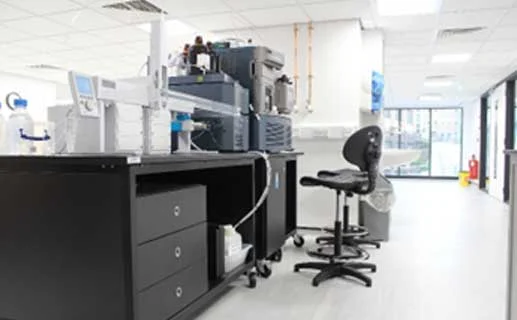
Integrated DMPK solutions combining advanced assays, modeling, and bioanalysis delivering predictive insights that reduce risk and guide candidate selection.
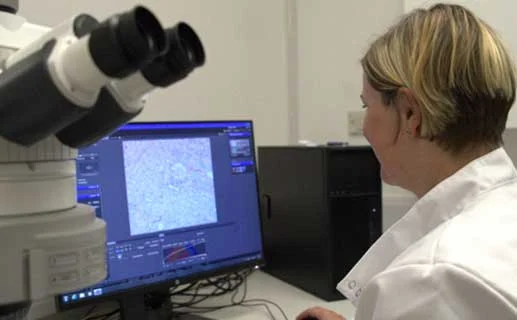
Validated in vivo models deliver clinically relevant data across therapeutic areas, accelerating confident decisions and reducing risk in drug development.
Yes, ex-vivo analysis such as PK bioanalysis or biomarkers quantification in various tissues can be performed within Sygnature Discovery. We can also assist you in designing the study to accommodate these ex-vivo requirements.
Yes, we can offer histopath support at Sygnature Discovery or via third-party.
With our large amount historical data, our experienced group of statisticians provide necessary power analysis and group size information for each model.
We currently offer inflammatory disease models covering four major sites including skin, joint, gut and lung. In addition, we offer a suite of acute pharmacodynamic, mechanistic inflammation models which are ideal for quick PK-PD assessment. Considering our extensive scientific experience in the I&I area, we can also develop novel models that are not covered within the current scope. Thus, if your assay is not listed, send us a message and we will evaluate the necessary steps to implement your assay of choice.

Peak Proteins, NuChem Sciences, and SB Drug Discovery have now fully integrated with Sygnature Discovery.
