



Featured Resources
-
STORM Therapeutics: From Lead to Pre-Candidate Nomination in 18 Months

STORM Therapeutics: From Lead to Pre-Candidate Nomination in 18 Months
Case study


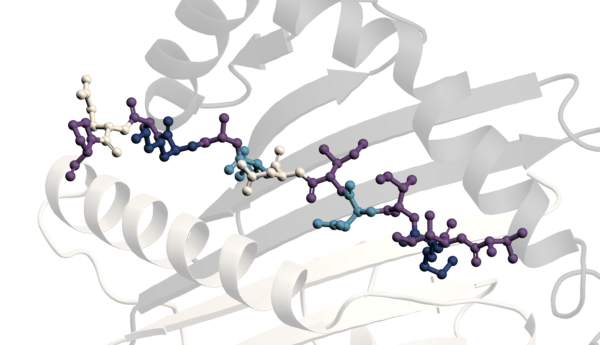


Discover precise insights into brain neurochemistry with Sygnature Discovery's in vivo microdialysis and cOFM services. With over 20 years of expertise, we design bespoke studies that reveal how compounds modulate neurotransmitter systems in health and disease. Using UHPLC/HPLC with electrochemical detection or mass spectrometry, we deliver robust PK/PD data to support confident CNS decision making.


July 30, 2015

Inobrodib, an exciting, first-in-class oral anti-cancer drug in clinical development by CellCentric, was collaboratively designed, synthesised and supported on its pre-clinical journey by an integrated project team at Sygnature Discovery. Inobrodib is now showing promising results in Phase I and II trials for multiple myeloma and other cancer types.

In drug discovery, generating targets is no longer the challenge. The real question is how to identify the few worth investing months of research and significant resources to pursue. Hear expert perspectives on how AI, pathway analysis and scientific expertise are shaping modern target identification.
July 7, 2026

Stay up to date with the latest company updates, milestones, and announcements.
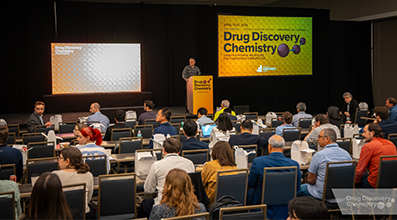
Explore upcoming conferences and scientific meetings where you can connect with our team.

At Sygnature Discovery, we deliver world-leading drug discovery solutions to accelerate your compound from idea to clinic.

Our leadership team brings diverse experience and insight, driving collaboration and innovation across drug discovery.

Explore careers at Sygnature Discovery and join a global team committed to science, collaboration, and integrity.
Inobrodib, an exciting, first-in-class oral anti-cancer drug in clinical development by CellCentric, was collaboratively designed, synthesised and supported on its pre-clinical journey by an integrated project team at Sygnature Discovery. Inobrodib is now showing promising results in Phase I and II trials for multiple myeloma and other cancer types.
At Sygnature Discovery, we deliver world-leading drug discovery solutions to accelerate your compound from idea to clinic.
Our leadership team brings diverse experience and insight, driving collaboration and innovation across drug discovery.
Explore careers at Sygnature Discovery and join a global team committed to science, collaboration, and integrity.
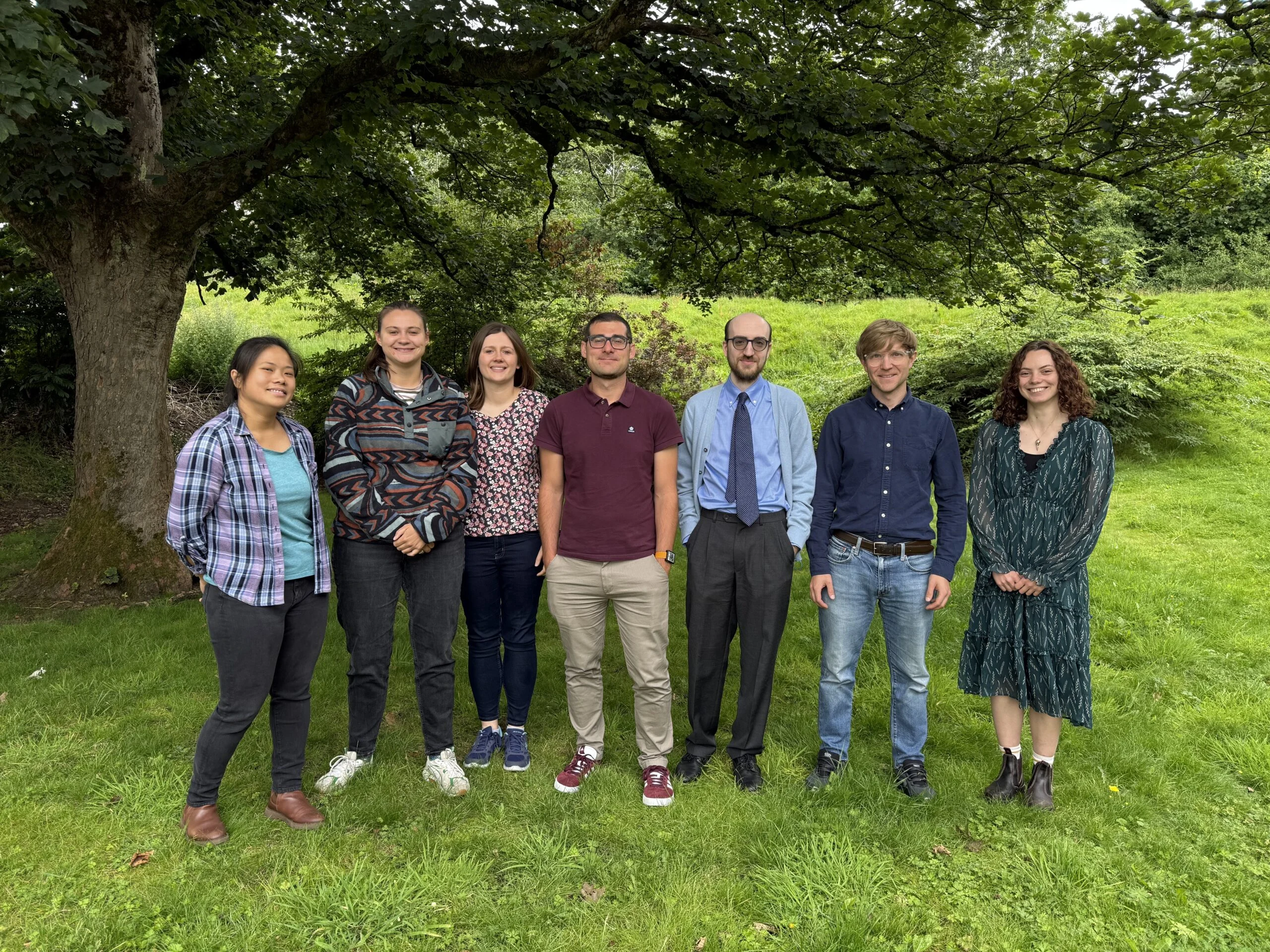
At Sygnature Discovery, our Protein Science department stands out for its expertise in expressing, purifying and characterising a wide range of proteins to aid assay development, mechanistic studies, and structure-based drug design. Among the most complex and valuable targets we work on are membrane proteins – key players in cellular communication and signalling, and targets for over 60% of approved drugs1. We are incredibly proud of the skills, expertise and experience that is accumulated in our team, and so wanted to introduce and spotlight the members that constitute it!
Membrane proteins like GPCRs and ion channels are tricky to work with because they rely on lipid environments for proper folding and stability. Overexpressing them often leads to misfolding or toxicity, especially in simpler systems like bacteria. Choosing the right host system, optimising codon usage, and fine-tuning expression conditions are all critical steps.
Our dedicated cell expression team are the key to tackling some of these challenges. They are a group of highly skilled scientists who have fine-tuned expression protocols to tackle the most challenging targets. With years of hands-on experience across a wide range of host systems – bacterial, insect and mammalian – our team brings both depth and versatility to every project. Their deep understanding of cellular biology, protein folding, and expression system engineering allows them to anticipate and solve problems before they become roadblocks. Key to their success is their ability to innovate, troubleshoot, and adapt in real time. Their combined expertise not only accelerates timelines but also dramatically increases the likelihood of success in producing functional, high-quality membrane proteins.
Purifying membrane proteins adds another layer of complexity. Once expressed, these proteins must be extracted from the cell membrane without losing their structure or function – no easy task, given their reliance on lipid environments. Harsh detergents can denature the protein, while mild detergents may not effectively solubilise it. Even when solubilised, membrane proteins tend to be unstable and prone to aggregation, making downstream purification and characterisation incredibly delicate. Finding the right balance of detergent, buffer conditions, and purification tags is as much an art as a science. Maintaining functionality throughout purification is essential for drug screening, structural analysis, or biochemical assays.
Our membrane protein team excels at purifying and characterising these complex targets. They are experts in crafting and executing purification strategies tailored to the unique properties of each target protein. Their detailed knowledge of detergent selection, affinity purification, and stabilisation techniques allows them to isolate functional membrane proteins with high purity and yield. They are skilled problem-solvers who thrive on complexity – quickly identifying bottlenecks and developing creative solutions to keep projects moving forward. Our team includes specialists in biophysical characterisation (including advanced HPLC techniques), cryo-EM sample preparation and structure determination, and functional assay development, enabling seamless integration of purification with downstream applications. Whether the goal is structural biology, ligand screening, or mechanistic analysis, our purification experts ensure the protein is not only pure – but also functional, stable, and ready to help push your project to its most potential.
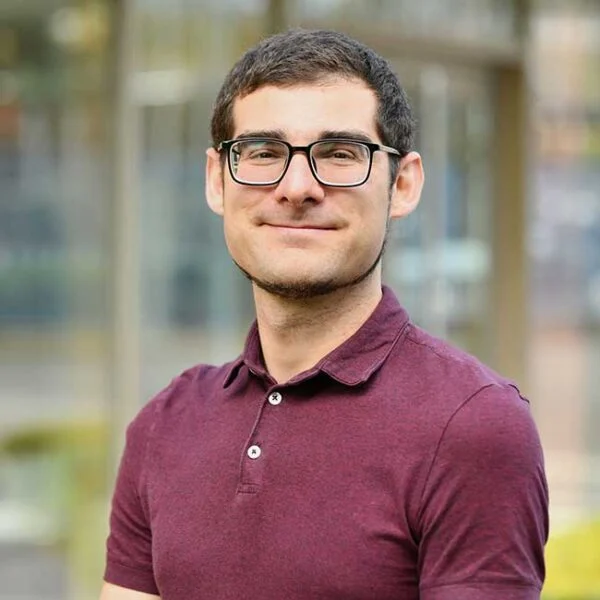
Senior Principal Scientist, membrane protein wrangler, and unofficial LEGO lab equipment engineer. He leads the membrane protein team at Sygnature Protein Sciences, tackling the toughest targets in structural biology. When not involved in proteins, he moonlights as a software developer and cosplays as an AI expert. Loves proteins, bikes, and beer – not always in that order.
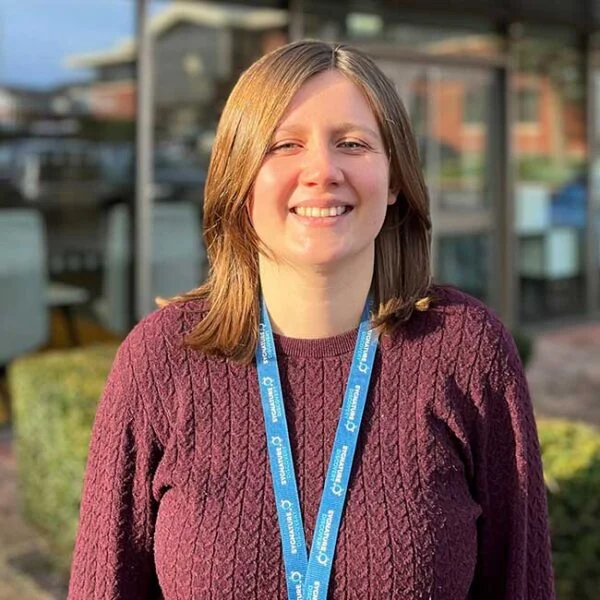
Lead Scientist with a love for cryo-EM and a talent for coaxing GPCR proteins into shape. She’s fascinated by how ligands bind and interact, and how those intricate molecular details can spark major breakthroughs in drug discovery. When she’s not in the lab, she can be found pottering in the garden or enjoying long walks through the countryside.
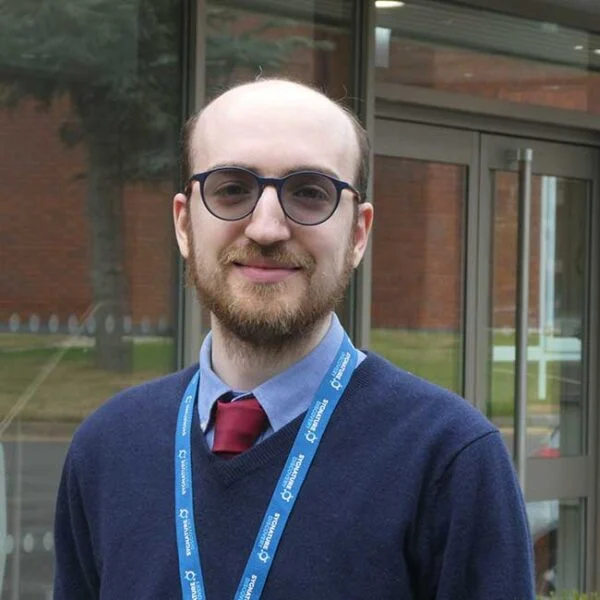
Senior Scientist 1, membrane protein enthusiast, with a soft spot for mitochondria. His fascination with membrane proteins led him to Norwich for a PhD on the Uncoupling Protein 1, which he studied with liposomes and a lot of patience. When not in the lab, he’s either cooking pasta, gaming, museum-hopping, or lost in a fantasy novel.

Senior Protein Scientist 2, project lead specialising in membrane protein targets, with a strong interest in intrinsic disorder and its biological significance. Tenacious problem solver focused on transforming innovative ideas into meaningful scientific and therapeutic outcomes. Frequently spotted climbing rocks.

Scientist 2, membrane protein whisperer, and spreadsheet connoisseur. Commonly found engrossed in sweet-talking proteins into solubility, with a half-forgotten cup of tea somewhere in the building. When she’s not purifying proteins and the weather is good, she’ll be lost in some hills. If the weather is bad, she’ll be soggy and lost in some hills.

Scientist 2 with a fascination for tackling tricky proteins. She loves a challenge…so much so that she navigated a PhD during a pandemic armed with curiosity, determination, and an experimental spirit that even a sea of muddy literature couldn’t sink. When she’s not in the lab, she’s probably exploring the world or honing her culinary skills.

Scientist 2 with a knack for taming the most uncooperative soluble and membrane proteins. An aspiring structural biologist, she loves diving into projects with the most stubborn targets. With her funky socks and a brain wired for problem-solving, Anna relishes a good challenge. She also loves tennis, pancakes, and spending time outdoors.
Discovery of antibodies targeting multipass transmembrane proteins using a suspension cell-based evolutionary approach.
Krohl, P. J., Fine, J., Yang, H., VanDyke, D., Ang, Z., Kim, K. B., Thomas-Tikhonenko, A., & Spangler, J. B.
Cell Reports Methods, 3(3), (2023)
https://doi.org/10.1016/j.crmeth.2023.100429
Take a look at some of our membrane protein case studies and get in touch with your membrane protein project today.


Peak Proteins, NuChem Sciences, and SB Drug Discovery have now fully integrated with Sygnature Discovery.