


Featured Resources
-
STORM Therapeutics: From Lead to Pre-Candidate Nomination in 18 Months

STORM Therapeutics: From Lead to Pre-Candidate Nomination in 18 Months
Case study




Discover precise insights into brain neurochemistry with Sygnature Discovery's in vivo microdialysis and cOFM services. With over 20 years of expertise, we design bespoke studies that reveal how compounds modulate neurotransmitter systems in health and disease. Using UHPLC/HPLC with electrochemical detection or mass spectrometry, we deliver robust PK/PD data to support confident CNS decision making.


July 30, 2015

Inobrodib, an exciting, first-in-class oral anti-cancer drug in clinical development by CellCentric, was collaboratively designed, synthesised and supported on its pre-clinical journey by an integrated project team at Sygnature Discovery. Inobrodib is now showing promising results in Phase I and II trials for multiple myeloma and other cancer types.

In drug discovery, generating targets is no longer the challenge. The real question is how to identify the few worth investing months of research and significant resources to pursue. Hear expert perspectives on how AI, pathway analysis and scientific expertise are shaping modern target identification.
July 7, 2026

Stay up to date with the latest company updates, milestones, and announcements.
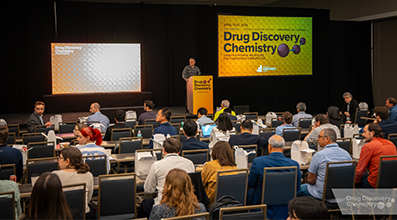
Explore upcoming conferences and scientific meetings where you can connect with our team.

At Sygnature Discovery, we deliver world-leading drug discovery solutions to accelerate your compound from idea to clinic.

Our leadership team brings diverse experience and insight, driving collaboration and innovation across drug discovery.

Explore careers at Sygnature Discovery and join a global team committed to science, collaboration, and integrity.
Inobrodib, an exciting, first-in-class oral anti-cancer drug in clinical development by CellCentric, was collaboratively designed, synthesised and supported on its pre-clinical journey by an integrated project team at Sygnature Discovery. Inobrodib is now showing promising results in Phase I and II trials for multiple myeloma and other cancer types.
At Sygnature Discovery, we deliver world-leading drug discovery solutions to accelerate your compound from idea to clinic.
Our leadership team brings diverse experience and insight, driving collaboration and innovation across drug discovery.
Explore careers at Sygnature Discovery and join a global team committed to science, collaboration, and integrity.
modalities
Targeted Protein Degradation (TPD) is an innovative drug discovery approach focused on previously considered ‘undruggable’ proteins. TPD leverages the cell’s ubiquitin-proteasome system to tag these ‘undruggable’ proteins for degradation. Our scientists are harnessing this natural ‘tagging’ system to break down persistent disease-driving proteins.
SUPPORTING YOUR RESEARCH
As such, this modality does not depend on the target protein having a well-defined and accessible active site or functional binding pocket. Affinity screening methods based on ASMS or DEL approaches can identify ligands that bind to any accessible pocket on the target protein.
But not all proteins are the same and not all protein targets are easily degraded. What if you could rapidly assess the feasibility of a degrader project for your protein of interest?
Our CHARMED platform delivers fast, combinatorial degrader discovery. CHARMED delivers rapid synthesis, screening and characterization of potential bifunctional leads. Ready -to-couple plates of diverse linkers and commonly used ligase warheads accelerate the identification of degrader hits for novel targets.
With CHARMED, you can achieve rapid feasibility assessment through:
Sygnature Discovery has experience in designing, testing and evaluating targeted protein degraders, supported by expertise in the ubiquitin system and protein degradation biology. Our computational and medicinal chemistry, hit-finding capabilities including HTS and fragment -based screening, and disease area breadth make us a strong partner for targeted protein degradation.
TPD programs bring DMPK and pharmacokinetics complexity, understanding degrader effects in the human body as early as possible, can pay dividends, and our skills and solutions in these areas are built to support that need.


Sygnature Discovery successfully identifies potent SHP2 degrader compounds using its proprietary targeted protein degrader platform, CHARMED, in collaboration with Japanese speciality chemical company, UBE Corporation
Read our recent press release to find out how Japanese specialty chemical company, UBE Corporation, has been collaborating with the team at Sygnature Discovery.

Chief Executive Officer
Our team
Senior Principal Scientist – Induced Proximity Therapeutics (IPT)

Resources


Peak Proteins, NuChem Sciences, and SB Drug Discovery have now fully integrated with Sygnature Discovery.

