


Featured Resources
-
STORM Therapeutics: From Lead to Pre-Candidate Nomination in 18 Months

STORM Therapeutics: From Lead to Pre-Candidate Nomination in 18 Months
Case study
📣From lead to pre-candidate nomination in 18 months. Explore the STORM Therapeutics case study




Discover precise insights into brain neurochemistry with Sygnature Discovery's in vivo microdialysis and cOFM services. With over 20 years of expertise, we design bespoke studies that reveal how compounds modulate neurotransmitter systems in health and disease. Using UHPLC/HPLC with electrochemical detection or mass spectrometry, we deliver robust PK/PD data to support confident CNS decision making.


July 30, 2015

Inobrodib, an exciting, first-in-class oral anti-cancer drug in clinical development by CellCentric, was collaboratively designed, synthesised and supported on its pre-clinical journey by an integrated project team at Sygnature Discovery. Inobrodib is now showing promising results in Phase I and II trials for multiple myeloma and other cancer types.

In drug discovery, generating targets is no longer the challenge. The real question is how to identify the few worth investing months of research and significant resources to pursue. Hear expert perspectives on how AI, pathway analysis and scientific expertise are shaping modern target identification.
July 7, 2026

Stay up to date with the latest company updates, milestones, and announcements.
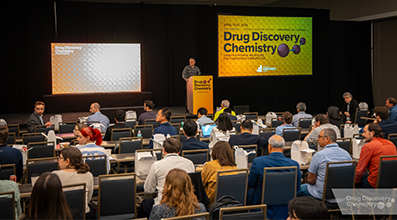
Explore upcoming conferences and scientific meetings where you can connect with our team.

At Sygnature Discovery, we deliver world-leading drug discovery solutions to accelerate your compound from idea to clinic.

Our leadership team brings diverse experience and insight, driving collaboration and innovation across drug discovery.

Explore careers at Sygnature Discovery and join a global team committed to science, collaboration, and integrity.
Inobrodib, an exciting, first-in-class oral anti-cancer drug in clinical development by CellCentric, was collaboratively designed, synthesised and supported on its pre-clinical journey by an integrated project team at Sygnature Discovery. Inobrodib is now showing promising results in Phase I and II trials for multiple myeloma and other cancer types.
At Sygnature Discovery, we deliver world-leading drug discovery solutions to accelerate your compound from idea to clinic.
Our leadership team brings diverse experience and insight, driving collaboration and innovation across drug discovery.
Explore careers at Sygnature Discovery and join a global team committed to science, collaboration, and integrity.
Many intriguing drug discovery programmes begin life at start-up biotech companies. Yet at the outset, these new organisations rarely have the resources or laboratory set-up immediately available to turn their ground-breaking ideas into a new medicine. This is where collaborations with expert CROs like Sygnature Discovery can accelerate a drug discovery project towards the clinic.
Oxford-based Sitryx is one such start-up, which signed an exclusive global licensing and research collaboration with pharmaceutical giant Eli Lilly in March 2020.
An early collaboration with Sygnature played a key role in the company’s programmes reaching the point where big pharma took an interest. This is a great example of how an integrated drug discovery CRO like Sygnature can make a significant difference to drug discovery research, and ultimately to patients.
Sitryx currently have two compounds in Phase I clinical trials for inflammation and immunology therapeutic areas, SIT-011/SYX-5219 and SIT-042/SYX-1042.


Sitryx is an Oxford-based biotech company founded by six world-leading researchers in the field of immunology and metabolism – Houman Ashrafian, Luke O’Neill, Jonathan Powell, Jeff Rathmell, Michael Rosenblum and Paul Peter Tak. The company’s focus is to develop new medicines in the emerging field of immunometabolism. The main concept is to identify novel disease-modifying therapeutics by manipulating the cellular metabolism of key immune cells. Essentially, the fine tuning of immune cells so they have beneficial, rather than harmful, effects in disease.
Prior to working with Sygnature, Sitryx had developed several insightful hypotheses based predominantly on data from their unique founder and academic network about biological targets that had potential – if modulated correctly by new drugs – to offer therapeutic benefit to patients suffering from inflammatory-based diseases.
Could Sygnature Discovery help them turn these world-leading ideas and leads into potential drugs? Working collaboratively, we were able to help review, validate and progress the most promising drug discovery projects from the scientific founders.
As a start-up, Sitryx needed flexible experimental support, and Sygnature was able to undertake key experiments required to build these projects and help to validate these potential disease targets. We were particularly well placed to assist, with in-house experts in inflammation, metabolism and oncology, allied to a successful track record of success in delivering drug candidates, as well as ample cutting-edge lab facilities.
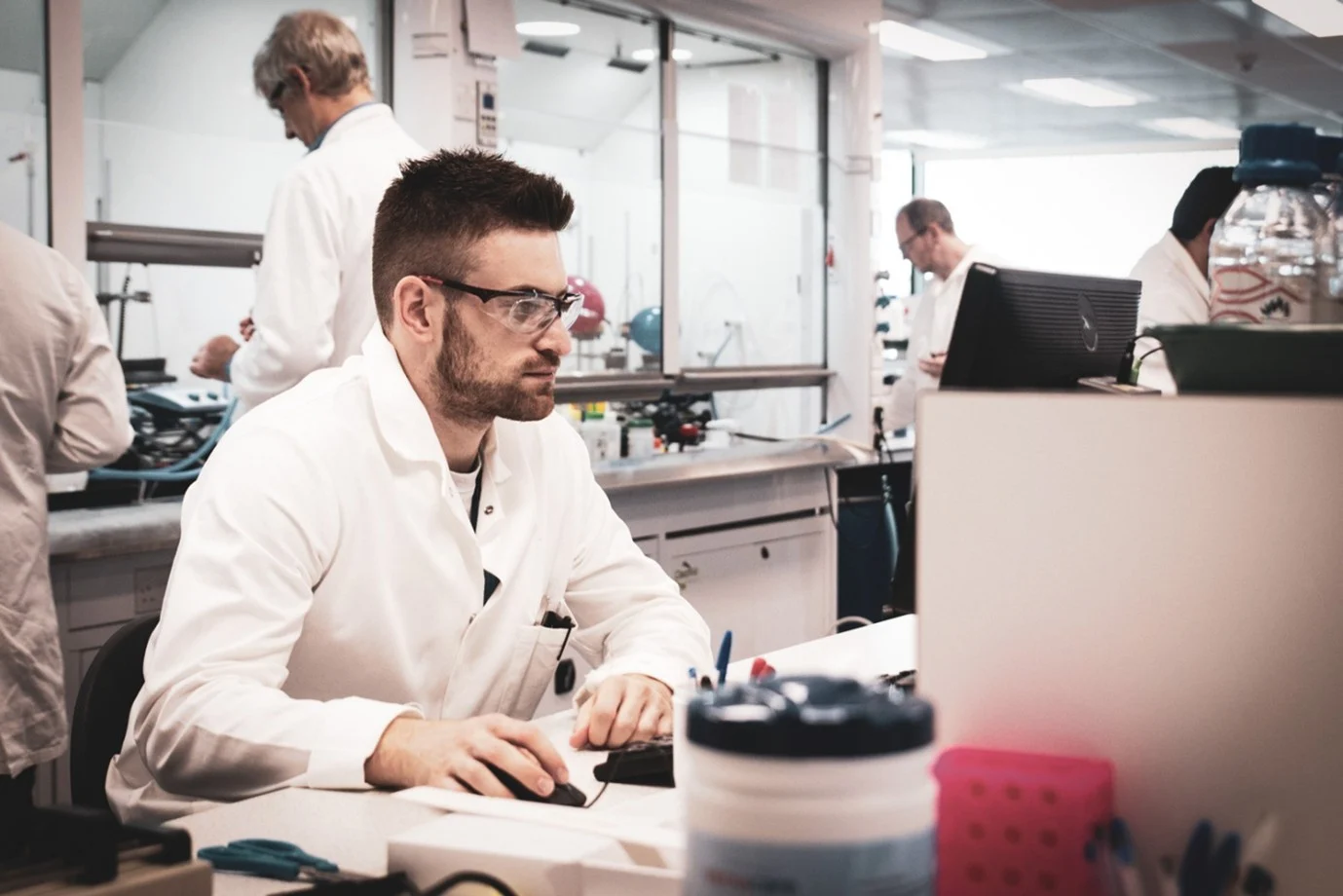
The Sitryx team worked in partnership with Sygnature’s scientists, using each other as sounding boards for ideas and data interpretation. Over the space of about 18 months, together we made significant progress in our understanding of the biological targets and discovered candidate-like molecules.
The team at Sygnature was able to start work rapidly as Sitryx continued to build their own laboratory capability in Oxford.
Importantly, as we offer such a broad portfolio of scientific capabilities, we were able to work flexibly with Sitryx, shifting resources from one discipline to another according to the requirements of each individual programme. Sygnature’s flexible business model proved instrumental to Sitryx.
“We are delighted to have played a pivotal role in Sitryx’s early progress,” says Dr Stuart Onions, CTO, Sygnature Discovery. “Our integrated drug discovery service and collaborative way of working was a key contribution to this success story. It is a great example of how choosing the right partners is crucial in turning world-leading academic research into investable prospects in a timely fashion.’
In the space of about two years, Sitryx evolved from a start-up with an initial scientific concept to a business that was attractive to additional big pharma investment.
The licensing deal with Lilly gave Sitryx a $50m up-front payment alongside a $10 million equity investment, with further potential payments to be made if development milestones are met. Eli Lilly can develop and commercialise up to four novel immunometabolism targeted therapeutics – including the two lead projects that Sygnature helped support and progress. Sitryx is to continue its drug discovery activities, while Lilly will fund and manage any future clinical work.
Dr Neil Weir, CEO at Sitryx commented: “We chose Sygnature owing to their significant relevant drug discovery expertise, flexible business model and passion for the science they do. We are very pleased with project progress and the path we took to get to where we are. It really paid off.”
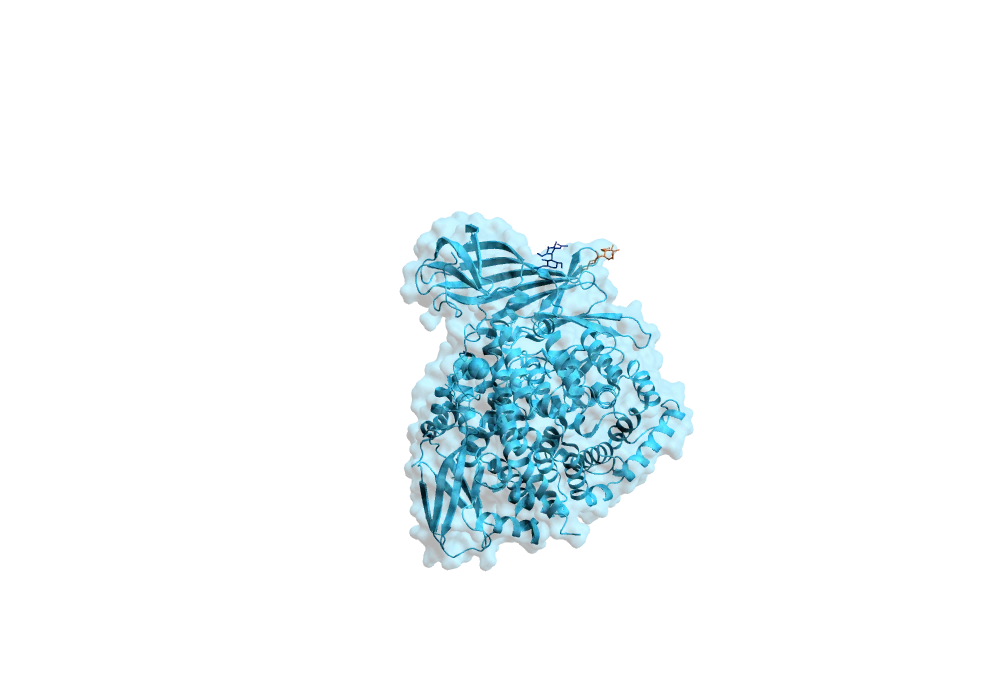
SYX-5219 offers first-in-class potential as an oral, disease-modifying anti-inflammatory therapy, targeting a critical enzyme that regulates cell metabolism called pyruvate kinase M2 (PKM2). Modulation of PKM2 alters B and T lymphocyte function with the potential to normalise immune cell function and drive sustained disease remission in atopic dermatitis (eczema).

Peak Proteins, NuChem Sciences, and SB Drug Discovery have now fully integrated with Sygnature Discovery.