


Featured Resources
-
STORM Therapeutics: From Lead to Pre-Candidate Nomination in 18 Months

STORM Therapeutics: From Lead to Pre-Candidate Nomination in 18 Months
Case study




Discover precise insights into brain neurochemistry with Sygnature Discovery's in vivo microdialysis and cOFM services. With over 20 years of expertise, we design bespoke studies that reveal how compounds modulate neurotransmitter systems in health and disease. Using UHPLC/HPLC with electrochemical detection or mass spectrometry, we deliver robust PK/PD data to support confident CNS decision making.


July 30, 2015

Inobrodib, an exciting, first-in-class oral anti-cancer drug in clinical development by CellCentric, was collaboratively designed, synthesized and supported on its pre-clinical journey by an integrated project team at Sygnature Discovery. Inobrodib is now showing promising results in Phase I and II trials for multiple myeloma and other cancer types.

In drug discovery, generating targets is no longer the challenge. The real question is how to identify the few worth investing months of research and significant resources to pursue. Hear expert perspectives on how AI, pathway analysis and scientific expertise are shaping modern target identification.
July 7, 2026

Stay up to date with the latest company updates, milestones, and announcements.
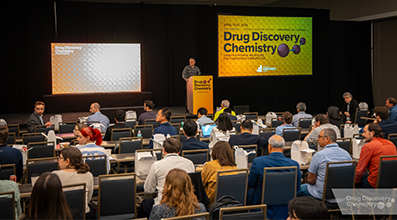
Explore upcoming conferences and scientific meetings where you can connect with our team.

At Sygnature Discovery, we deliver world-leading drug discovery solutions to accelerate your compound from idea to clinic.

Our leadership team brings diverse experience and insight, driving collaboration and innovation across drug discovery.

Explore careers at Sygnature Discovery and join a global team committed to science, collaboration, and integrity.
Inobrodib, an exciting, first-in-class oral anti-cancer drug in clinical development by CellCentric, was collaboratively designed, synthesized and supported on its pre-clinical journey by an integrated project team at Sygnature Discovery. Inobrodib is now showing promising results in Phase I and II trials for multiple myeloma and other cancer types.
At Sygnature Discovery, we deliver world-leading drug discovery solutions to accelerate your compound from idea to clinic.
Our leadership team brings diverse experience and insight, driving collaboration and innovation across drug discovery.
Explore careers at Sygnature Discovery and join a global team committed to science, collaboration, and integrity.
The discovery of therapeutic molecules with molecular glue properties has historically been by serendipity, rather than design, and in more recent years has focused very heavily on known glue-like starting points, such as the imid molecules for Cereblon, which has left the patent space very crowded and difficult to work in. So, how do you discover something truly novel?
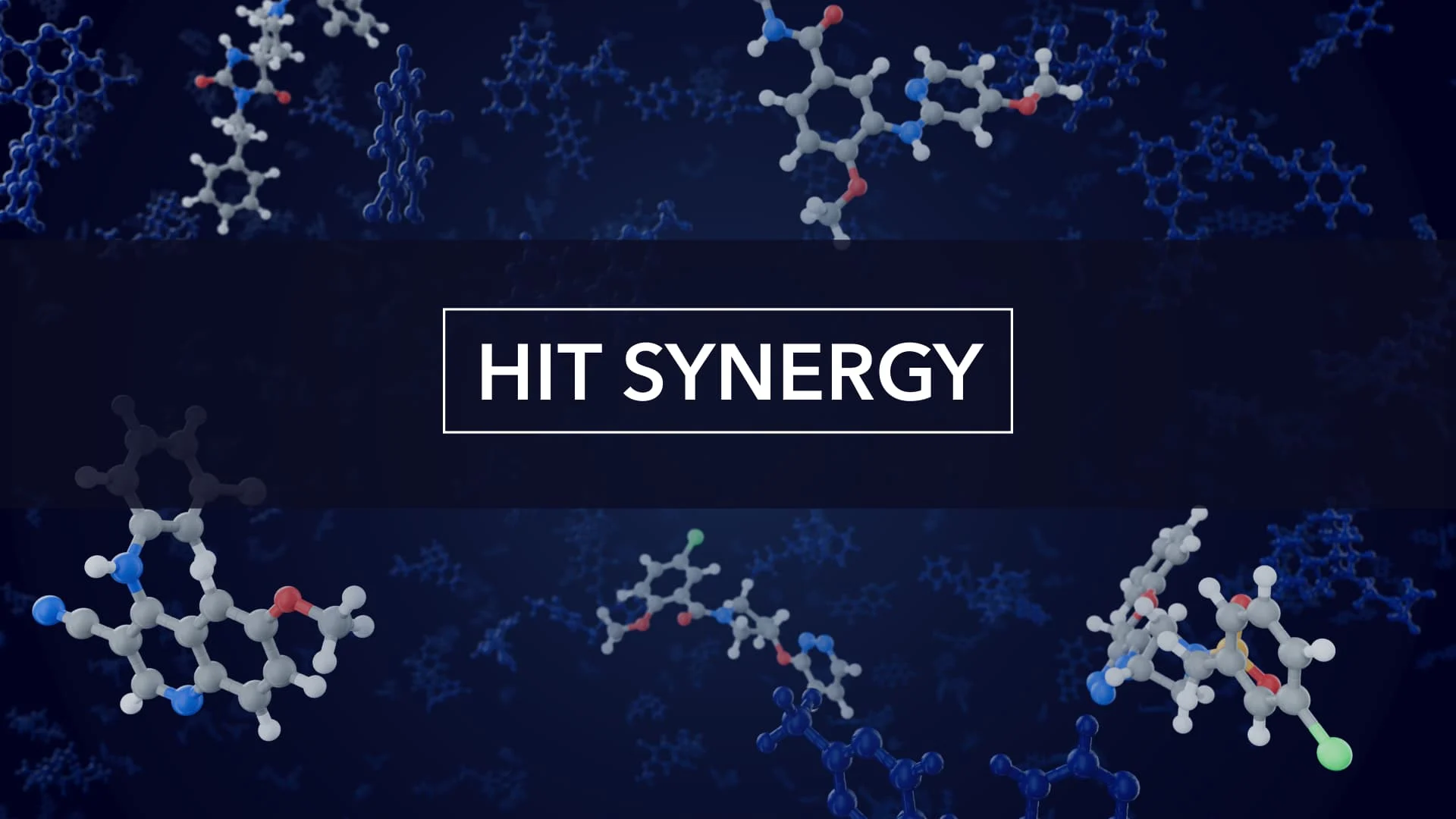
Here, we outline our approach to utilize unbiased Surface Plasmon Resonance (SPR) screening of fragment and lead like libraries against two targets, SOS1 and SHP2, to generate novel hits for further development. We believe this approach has both the throughput and the sensitivity to identify these difficult to find molecules, setting it apart from more traditional plate-based screening. We also explore the difference between fragment and lead-like libraries in our HIT SYNERGY platform in this setting and demonstrate why a combined library approach may have advantages over a single library focus.
The targets chosen for this study were two proteins involved in the regulation of RAS and have been shown to be suitable targets for degradation. They are therapeutically relevant and interesting targets in an oncology setting, which should be good tools for development of a discovery platform focused on targeted protein degradation.
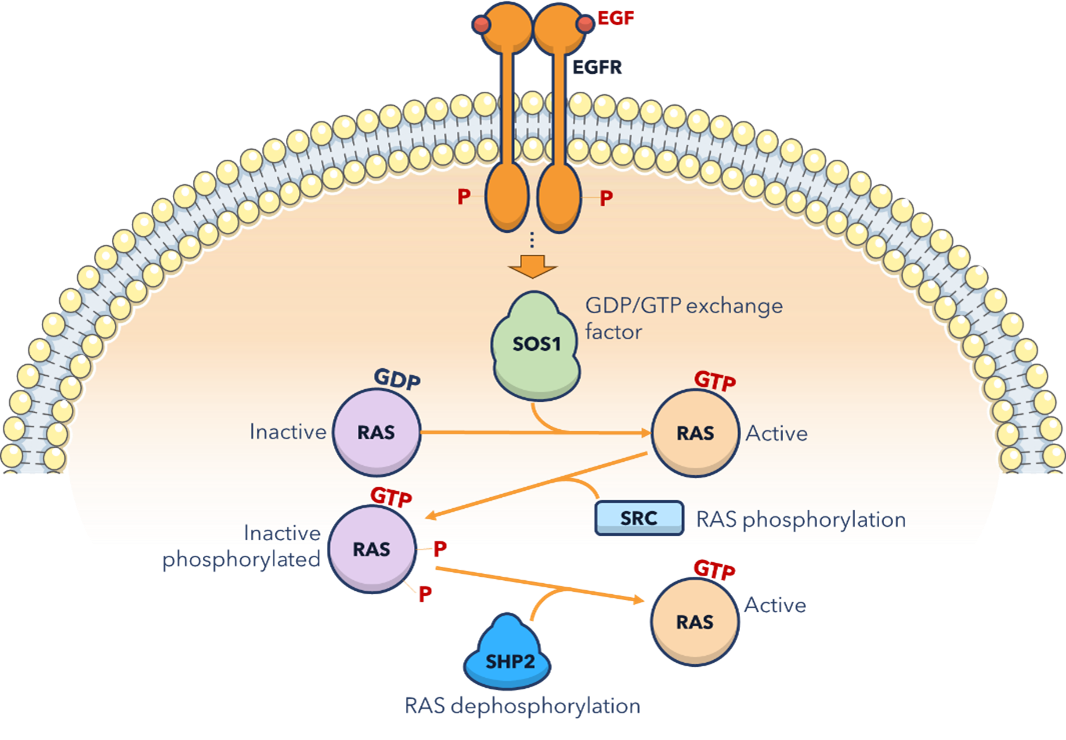
Once the targets were chosen, we performed some initial work to ensure that they were compatible with our in-house developed CRBN/DDB1 assay platforms, including our SPR platform. This assay platform utilizes our high-quality, in-house generated human cereblon-DDB1 complex, which has been shown to be stable and compatible with a wide variety of assay formats.
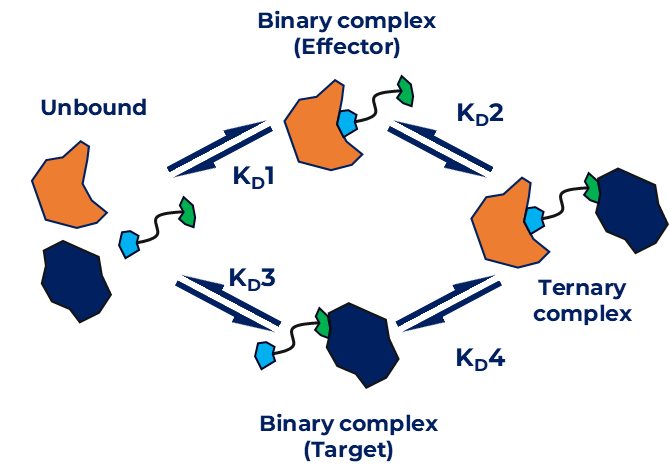
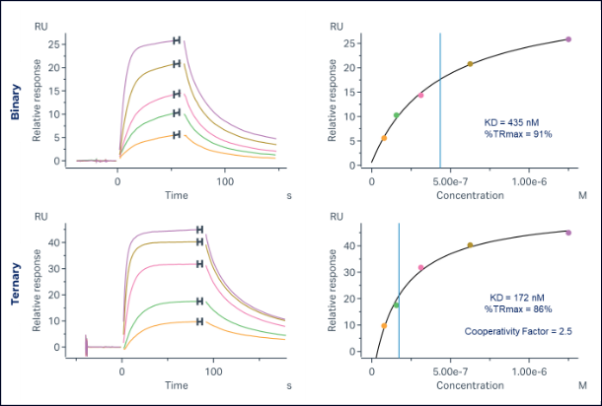
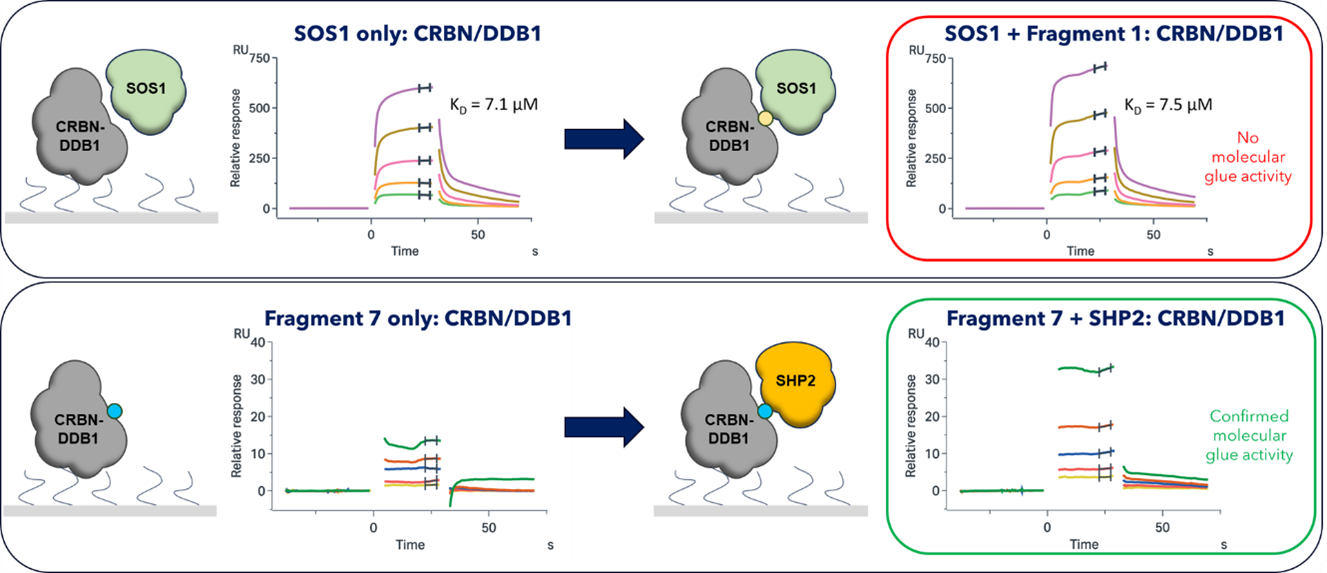
Using this platform, we ran a ternary complex screen on Sygnature’s fragment library against SOS1 and SHP2, as well as a 10k lead-like diversity set against SOS1.
The rationale behind this being that lead-like compounds from our HTS library are likely to be more potent and able to form stronger ternary complexes, but the hit rate may be low, whereas the fragment library may be more able to generate hits but will do so at a significantly lower potency range. This assay screen was performed using Biacore 8K+ instruments from Cytiva.
Both of these screens generated hits that appeared to induce ternary complex formation, but it was the fragment screen in particular that demonstrated the best quality hits, and potentially provided the better starting points for further development and discovery.
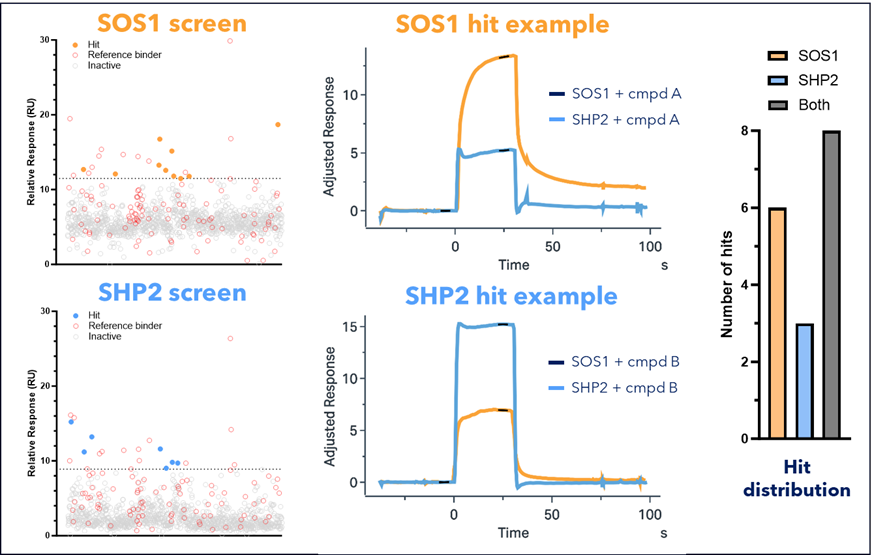
These hit fragments were then tested using more in-depth assays to determine whether there was any true molecular glue activity or not. In this case, some of the SHP2 hits appeared to show clear activity to enhance the formation of a ternary complex in a dose dependent manner.
There are potentially many routes into identifying novel molecular glues, but it is widely known that this is a challenging area of discovery, where many more traditional assay formats fail.
By applying our expertise in SPR and TPD, we have shown that identifying new starting points is possible using this approach, and we look forward to developing these hits further.
This work highlights many components of the HIT SYNERGY platform at Sygnature, which have been focused onto complex area of hit identification:
A Synergistic Library Approach was key to identifying Novel Hits.
Find out more about Sygnature Discovery’s powerful hit ID platform, HIT SYNERGY, which integrates multiple advanced screening technologies to rapidly generate high-quality, structurally diverse hits, tailored to today’s most challenging new target classes. Well-characterized hits provide a strong foundation for our experienced drug discovery teams to rapidly advance your compound to the candidate stage.
Peak Proteins, NuChem Sciences, and SB Drug Discovery have now fully integrated with Sygnature Discovery.