


Featured Resources
-
STORM Therapeutics: From Lead to Pre-Candidate Nomination in 18 Months

STORM Therapeutics: From Lead to Pre-Candidate Nomination in 18 Months
Case study




Discover precise insights into brain neurochemistry with Sygnature Discovery's in vivo microdialysis and cOFM services. With over 20 years of expertise, we design bespoke studies that reveal how compounds modulate neurotransmitter systems in health and disease. Using UHPLC/HPLC with electrochemical detection or mass spectrometry, we deliver robust PK/PD data to support confident CNS decision making.


July 30, 2015

Inobrodib, an exciting, first-in-class oral anti-cancer drug in clinical development by CellCentric, was collaboratively designed, synthesised and supported on its pre-clinical journey by an integrated project team at Sygnature Discovery. Inobrodib is now showing promising results in Phase I and II trials for multiple myeloma and other cancer types.

In drug discovery, generating targets is no longer the challenge. The real question is how to identify the few worth investing months of research and significant resources to pursue. Hear expert perspectives on how AI, pathway analysis and scientific expertise are shaping modern target identification.
July 7, 2026

Stay up to date with the latest company updates, milestones, and announcements.
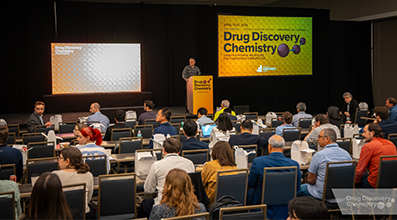
Explore upcoming conferences and scientific meetings where you can connect with our team.

At Sygnature Discovery, we deliver world-leading drug discovery solutions to accelerate your compound from idea to clinic.

Our leadership team brings diverse experience and insight, driving collaboration and innovation across drug discovery.

Explore careers at Sygnature Discovery and join a global team committed to science, collaboration, and integrity.
Inobrodib, an exciting, first-in-class oral anti-cancer drug in clinical development by CellCentric, was collaboratively designed, synthesised and supported on its pre-clinical journey by an integrated project team at Sygnature Discovery. Inobrodib is now showing promising results in Phase I and II trials for multiple myeloma and other cancer types.
At Sygnature Discovery, we deliver world-leading drug discovery solutions to accelerate your compound from idea to clinic.
Our leadership team brings diverse experience and insight, driving collaboration and innovation across drug discovery.
Explore careers at Sygnature Discovery and join a global team committed to science, collaboration, and integrity.
To address the critical need for scalable and human-relevant models in pain research, we validated an automated patch clamp platform using RealDRGx™ iPSC-derived sensory neurons, which offer native-like electrophysiological behaviour and compatibility with high-throughput workflows. This platform is ideal for studying sensory neuron excitability and screening novel pharmacological agents targeting inflammatory and neuropathic pain. Dorsal root ganglion (DRG) neurons are key mediators of nociceptive signalling and are central to the development of analgesics. However, traditional primary neuron models are limited by variability and low throughput. Our iPSC-derived DRG system enables a reproducible, scalable alternative for preclinical screening.
RealDRGx™ neurons consistently met quality control benchmarks, demonstrating high assay success rates and stable biophysical properties from week 3 onward—supporting confident integration into screening cascades. Over six weeks of maturation, we monitored:
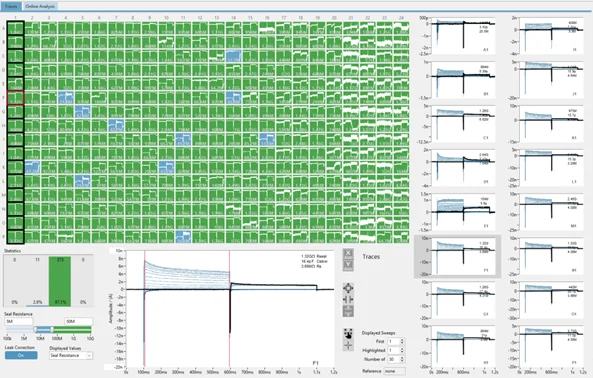
Our assay was developed on the SyncroPatch 384i platform, enabling efficient, automated whole-cell recordings. The screenshot highlights consistent seal formation and current traces across the plate, confirming the platform’s suitability for scalable iPSC-derived DRG screening.
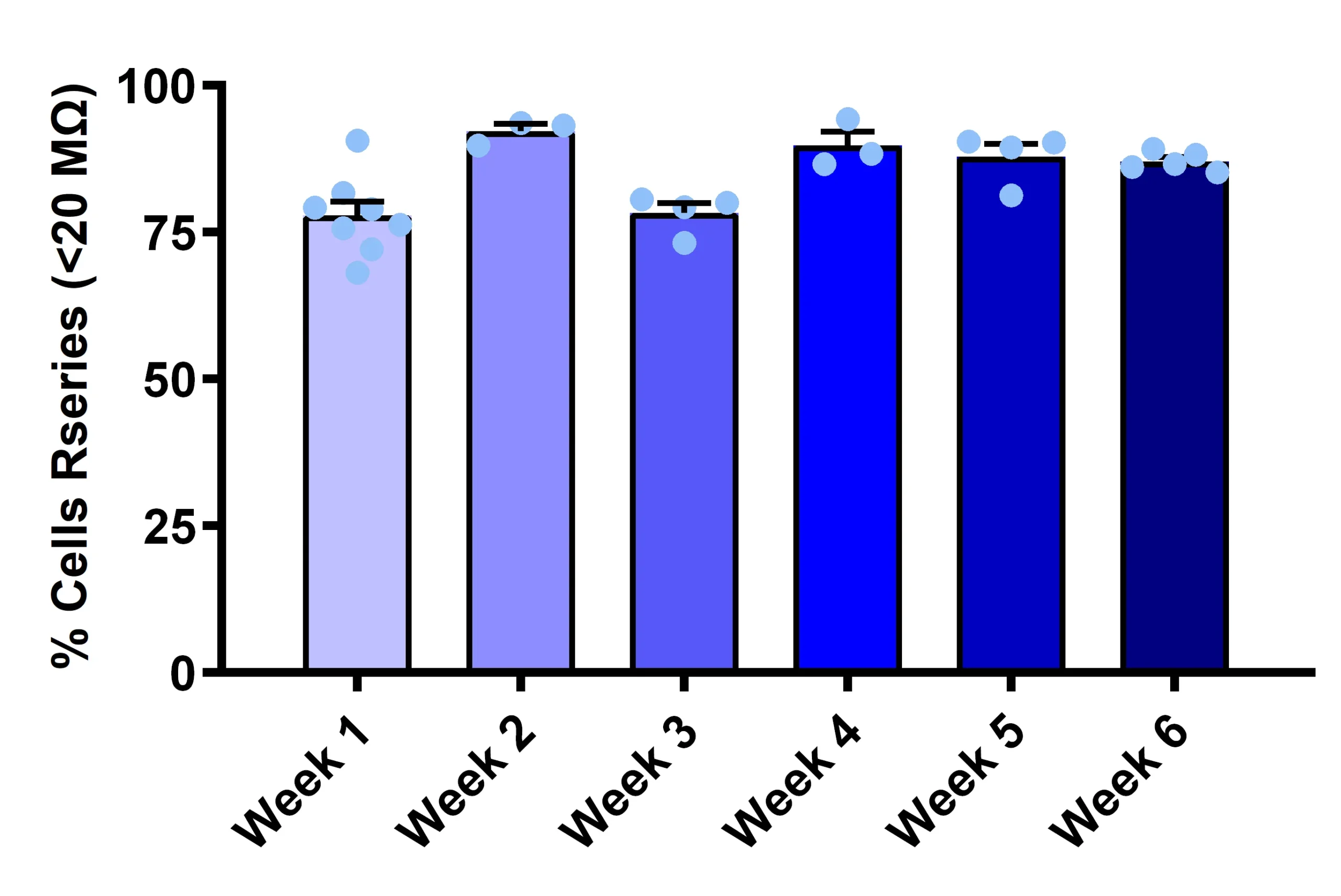
Series resistance remained stable and below the 20 MΩ QC threshold throughout six weeks of iPSC-derived DRG neuron maturation. This ensures high-quality recordings and accurate voltage control- essential for precise ion channel characterization.
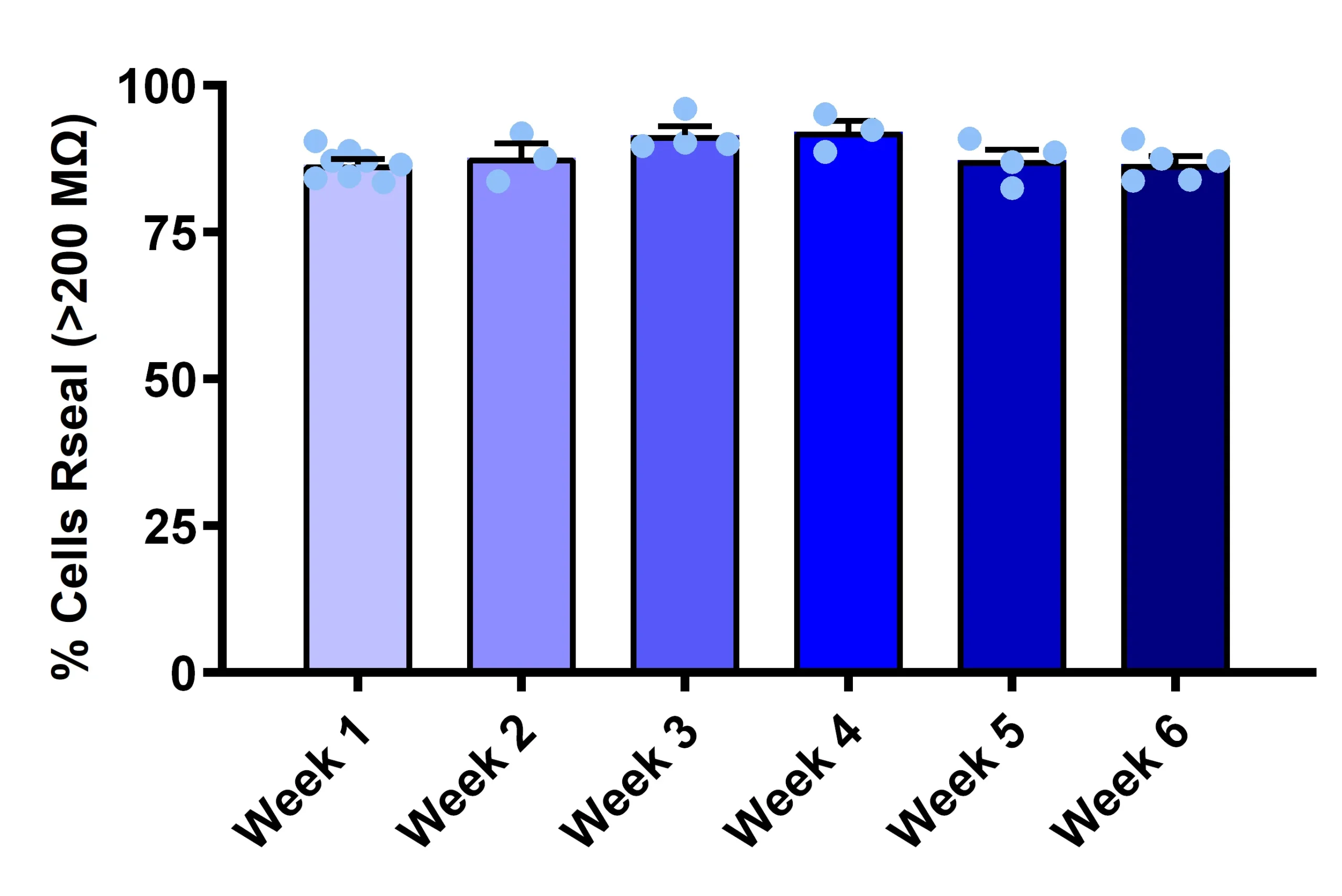
Seal resistance exceeded 200 MΩ in over 85% of recorded cells each week, supporting robust electrophysiology access and high success rates. This consistency enables confident data generation throughout your discovery campaign.
Studies confirmed that RealDRGx™ sensory neurons express key voltage- and ligand-gated ion channels and respond reliably to standard tool compounds, supporting their use in pharmacological screening workflows. These results confirm functional expression and compound-responsiveness across targets relevant to pain signalling.
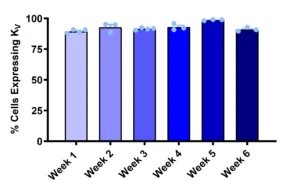
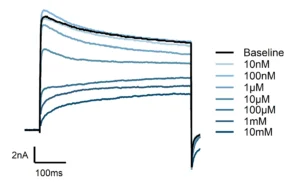
Figure 1: Functional Potassium Channel Expression and Pharmacological Modulation in iPSC-Derived DRG Neurons
RealDRGx™ sensory neurons demonstrate robust and sustained expression of functional voltage-gated potassium (Kv) channels, with over 90% of cell exhibiting Kv currents consistently from week 1 through week 6 (left). Cumulative current traces (right) show dose-dependent inhibition of Kv-mediated outward currents following application of 4-aminopyridine (4-AP), confirming pharmacological responsiveness and supporting their utility in ion channel screening workflows.
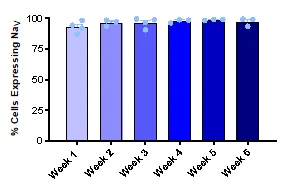
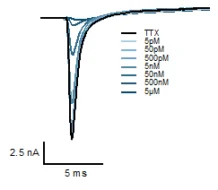
Figure 2: Sustained Sodium Channel Expression and TTX-Mediated Inhibition in iPSC-Drived DRG Neurons
iPSC-derived DRG neurons exhibited stable expression of voltage-gated sodium (Nav) channels, with over 90% of cells showing functional sodium currents across 6 weeks (left). Representative current traces (right) illustrate dose-dependent inhibition of sodium currents by tetrodotoxin (TTX), confirming pharmacological responsiveness and functional Nav channel activity in the model system.
RealDRGx™ neurons exhibited increasing excitability over time, including spontaneous and evoked firing that was sensitive to sodium channel blockade—highlighting their functional maturity and suitability for screening. Key electrophysiological features included:
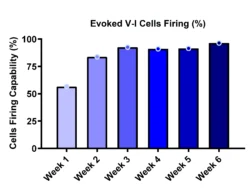
The percentage of DRG neurons capable of firing in response to depolarizing current injection increased over time, reaching over 90% by week 3, demonstrating functional excitability and assay readiness for evaluating neuronal firing modulation.
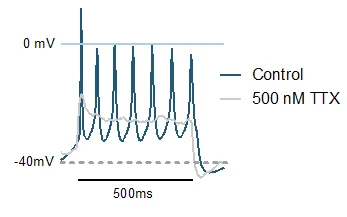
Representative voltage traces show evoked action potentials under control conditions and following application of 500 nM TTX. The clear inhibition confirms functional sodium channel activity and the platform’s suitability for screening excitability-modulating compounds.
Our iPSC-derived DRG neuron electrophysiology platform offers:

Peak Proteins, NuChem Sciences, and SB Drug Discovery have now fully integrated with Sygnature Discovery.