


Featured Resources
-
STORM Therapeutics: From Lead to Pre-Candidate Nomination in 18 Months

STORM Therapeutics: From Lead to Pre-Candidate Nomination in 18 Months
Case study
📣From lead to pre-candidate nomination in 18 months. Explore the STORM Therapeutics case study




July 30, 2015

Inobrodib, an exciting, first-in-class oral anti-cancer drug in clinical development by CellCentric, was collaboratively designed, synthesised and supported on its pre-clinical journey by an integrated project team at Sygnature Discovery. Inobrodib is now showing promising results in Phase I and II trials for multiple myeloma and other cancer types.

At Sygnature Discovery, we deliver world-leading drug discovery solutions to accelerate your compound from idea to clinic.

Our leadership team brings diverse experience and insight, driving collaboration and innovation across drug discovery.

Explore careers at Sygnature Discovery and join a global team committed to science, collaboration, and integrity.
Inobrodib, an exciting, first-in-class oral anti-cancer drug in clinical development by CellCentric, was collaboratively designed, synthesised and supported on its pre-clinical journey by an integrated project team at Sygnature Discovery. Inobrodib is now showing promising results in Phase I and II trials for multiple myeloma and other cancer types.
At Sygnature Discovery, we deliver world-leading drug discovery solutions to accelerate your compound from idea to clinic.
Our leadership team brings diverse experience and insight, driving collaboration and innovation across drug discovery.
Explore careers at Sygnature Discovery and join a global team committed to science, collaboration, and integrity.
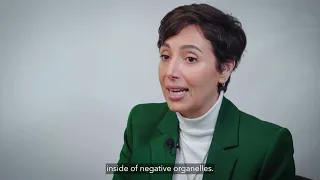
#MitochonriaUnlocked is a five-part video series from Dr. Tatiana Rosenstock, a neuroscientist at Sygnature Discovery. Across five short episodes, Tatiana shares real-world mitochondrial data and practical guidance to help decision-makers in the CNS disease space understand how, and why, mitochondrial health is becoming central to drug discovery.

Measuring mitochondrial function required sensitivity, specificity, and models that reflect real biological conditions. In Episode 2, Tatiana introduces two complementary in vitro approaches and explains how each reveals different aspects of metabolic health. She highlights how tracking metabolites such as ATP, ADP, NADH, pyruvate, and lactate helps build a clearer picture of energy maintenance and cellular stress.
Tatiana Rosenstock has had an exceptional career and has made significant contributions to the field of Neuroscience for 20+ years. Her work has focused on topics such as mitochondrial deregulation, transcription deregulation, and autophagy in neurodegenerative diseases, such as Huntington’s Disease, and Amyotrophic Lateral Sclerosis, and Schizophrenia.
At Sygnature Discovery, Tatiana is a Principal Scientist overseeing various neuroscience-related projects in different sub-areas such as metabolism (mitochondrial function), biomarkers, microglial function and activation, and neuroplasticity. During this period, she has been working with distinct in-vitro models, named iPSC-derived neurons, primary cortical neurons, Alzheimer`s and Parkinson`s disease fibroblasts, neuroblastomas cell lines, tissue and biofluids from transgenics animal models of Alzheimer`s disease.


Peak Proteins, NuChem Sciences, and SB Drug Discovery have now fully integrated with Sygnature Discovery.
