


Featured Resources
-
STORM Therapeutics: From Lead to Pre-Candidate Nomination in 18 Months

STORM Therapeutics: From Lead to Pre-Candidate Nomination in 18 Months
Case study
📣From lead to pre-candidate nomination in 18 months. Explore the STORM Therapeutics case study




July 30, 2015

Inobrodib, an exciting, first-in-class oral anti-cancer drug in clinical development by CellCentric, was collaboratively designed, synthesised and supported on its pre-clinical journey by an integrated project team at Sygnature Discovery. Inobrodib is now showing promising results in Phase I and II trials for multiple myeloma and other cancer types.

At Sygnature Discovery, we deliver world-leading drug discovery solutions to accelerate your compound from idea to clinic.

Our leadership team brings diverse experience and insight, driving collaboration and innovation across drug discovery.

Explore careers at Sygnature Discovery and join a global team committed to science, collaboration, and integrity.
Inobrodib, an exciting, first-in-class oral anti-cancer drug in clinical development by CellCentric, was collaboratively designed, synthesised and supported on its pre-clinical journey by an integrated project team at Sygnature Discovery. Inobrodib is now showing promising results in Phase I and II trials for multiple myeloma and other cancer types.
At Sygnature Discovery, we deliver world-leading drug discovery solutions to accelerate your compound from idea to clinic.
Our leadership team brings diverse experience and insight, driving collaboration and innovation across drug discovery.
Explore careers at Sygnature Discovery and join a global team committed to science, collaboration, and integrity.
scientific solutions | IN vivo pharmacology
Decode metabolic disease with human-relevant models and system-wide insights that enable smarter decisions, faster, in a controlled and collaborative research environment.

supporting your research
Sygnature Discovery supports this journey with integrated capabilities from target identification and molecule design to in vitro and in vivo modelling giving you the tools to explore disease progression and treatment response with precision.
Metabolic diseases disrupt normal pathways that regulate energy, glucose, and lipid balance. Our scientists have been advancing metabolic drug discovery for over two decades from the registration of Sibutramine to preclinical work on Empagliflozin. With deep expertise and a collaborative mindset, we help you move from insight to outcome faster.
Our in vivo metabolic models simulate disease progression and treatment response in controlled environments. We offer a broad portfolio, from generically modified animals to models induced by diet or chemicals, tailored to your research needs.

Our state-of-the-art facilities and advanced technologies allow us to identify and
optimize compounds with strong efficacy and safety profiles. We work closely with
you to deliver customized solutions that align with your program goals.
Replicate key features of human metabolic disease, offering predictive insights into treatment outcomes.
Rigorously standardized study conditions ensure consistency and reproducibility, giving you confidence in every data point and decision.
Explore how organs interact and respond to treatment with whole-body investigations that reveal mechanisms of action and therapeutic impact.
Our in vivo models offer high predictive validity, giving you confidence in candidate selection and optimization.
With over 20 years of experience in dietary-induced models and genetically obese animals, we’re well-equipped to support obesity projects.
DIO Mouse and Rat Model
Zucker Rat Model
OB/OB Mouse Model
Models and strategies relevant to diseases such as diabetes, Cushing’s disease, congenital hyperinsulinaemia and more.
Glucocorticoid-Induced Insulin Resistance Rat Model
DIO Mouse and Rat Model
ob/ob Mouse Model
Zucker (Fatty) Rat Model
Years of experience in working with models of Type 2 diabetes including supporting partners whose therapeutics received regulatory approval.
STZ/HFD Mouse and Rat Model
db/db Mouse Model
ZDF Rat Model
ZSF-1 Rat Model
Our kidney models enable detailed investigation of renal function, injury, and repair. With expertise spanning acute and chronic kidney disease, we provide translational in vivo platforms that support efficacy testing, biomarker discovery, and mechanistic insight.
STZ/HFD Mouse and Rat Model
ZSF-1 Rat Model
Adriamycin Mouse Model
Anti-GBM Mouse and Rat Model
LPS Rat and Mouse Model
ex vivo Kidney Slices
Liver models provide a powerful means to study metabolic, inflammatory, and toxicological pathways. Extensive histology expertise is integrated with clinical readouts and functional assessments to deliver comprehensive insights into liver disease and therapeutic impact.
Chlorine Deficient (CD) Mouse Model
H-FCC Mouse Model
H-FCC ob/ob Mouse Model
Cardio-renal models capture the complex interplay between heart and kidney function in health and disease. Studies may integrate blood pressure monitoring, renal biomarkers, and extensive molecular characterization to deliver mechanistic insight and translational endpoints that support therapeutic development.
ZSF-1 Rat Model
We combine in vivo models with validated analytical endpoints to assess efficacy and mode of action. Our profiling services capture real-time physiological and behavioral changes, helping you understand how treatments affect whole-body metabolism.
Can be assessed in lean and obese animals.
Non-invasive measurement of core temperature to monitor physiological status or assess treatment response.
RER, food/water intake and locomotor activity.
Serial sampling and analysis following glucose/insulin challenge in lean and obese animals.
Acute and chronic (palatable diet, reverse phase feeding)
Video tracking to assess precise changes in activity and behavior.
Characterized by DEXA or chemical methods
Grip strength (longitudinal assessment).
Determined by bomb calorimetry (e.g., faeces, urine, diet).
Paracetamol absorption, phenol red methods in rats and mice.
Tail-cuff (non-invasive) systolic/diastolic measurement in conscious animals.
Urine output and solute excretion to assess renal clearance.
Our ex vivo platforms complement in-life finding with molecular and biochemical endpoints. These validated assays provide detailed insights into organ-specific responses and help link systematic effects to underlying mechanisms.
Assess liver function and detect liver injury or disease such as ALT, AST, ALP, albumin, protein, Triglyceride, cholesterol panel, NEFA.
Changes in total pancreatic insulin can be a cost-effective assessment and often a good surrogate marker where changes in β-cell mass may be expected.
Assess renal health, filtration, and electrolyte balance: blood urea nitrogen (BUN / urea), plasma creatinine, estimated GFR (eGFR), urine albumin, protein and creatine.
Sygnature Discovery’s metabolic offering supports drug discovery from early screening to candidate selection. We use validated animal models and profiling platforms to identify novel targets and assess therapeutic potential. Whether you’re exploring obesity, diabetes, or fatty liver disease, our team delivers the insights and data you need to move forward with confidence.

Resources

We bring together a dynamic blend of new talent and experienced pharmaceutical industry experts from a round the world, delivering excellence across every stage of discovery.

Integrated solid form and formulation strategies reduce risk, improve stability and solubility, and accelerate progression from candidate selection to clinic.
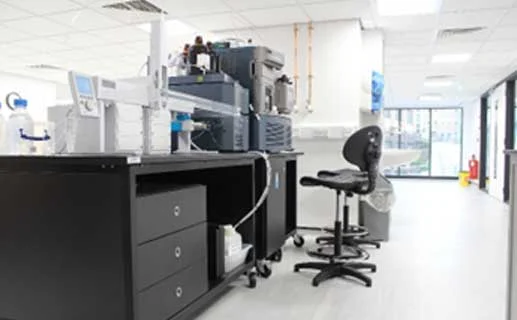
Integrated DMPK solutions combining advanced assays, modeling, and bioanalysis delivering predictive insights that reduce risk and guide candidate selection.
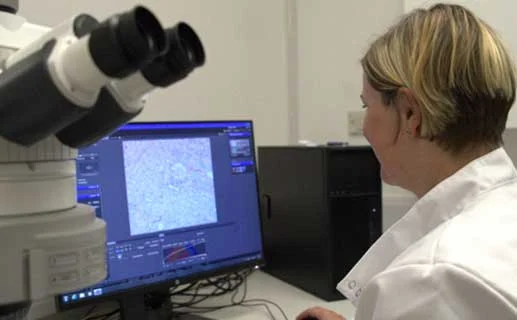
Validated in vivo models deliver clinically relevant data across therapeutic areas, accelerating confident decisions and reducing risk in drug development.
Yes, in order to underpin the quality of our studies, Sygnature has grown up and managed our own cohorts of DIO mice for over 20 years.
Yes. Sygnature ’s DIO model is validated with the comparator’s semaglutide and tirzepatide. Further the model has been used to assess customer compounds in combination with, and upon withdrawal of, these standards of care.
No, Sygnature’s aim is to help our customers with the progression of their drug discovery. We have no internal drug discovery projects such that we would be competing with our partners.
Yes, Sygnature offers integrated drug discovery and has in-house bioanalysis capabilities.
Peak Proteins, NuChem Sciences, and SB Drug Discovery have now fully integrated with Sygnature Discovery.
