

Featured Resources
-
STORM Therapeutics: From Lead to Pre-Candidate Nomination in 18 Months

STORM Therapeutics: From Lead to Pre-Candidate Nomination in 18 Months
Case study


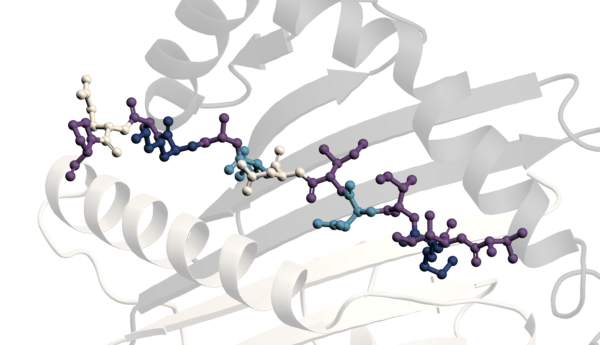


Discover precise insights into brain neurochemistry with Sygnature Discovery's in vivo microdialysis and cOFM services. With over 20 years of expertise, we design bespoke studies that reveal how compounds modulate neurotransmitter systems in health and disease. Using UHPLC/HPLC with electrochemical detection or mass spectrometry, we deliver robust PK/PD data to support confident CNS decision making.


July 30, 2015

Inobrodib, an exciting, first-in-class oral anti-cancer drug in clinical development by CellCentric, was collaboratively designed, synthesised and supported on its pre-clinical journey by an integrated project team at Sygnature Discovery. Inobrodib is now showing promising results in Phase I and II trials for multiple myeloma and other cancer types.

In drug discovery, generating targets is no longer the challenge. The real question is how to identify the few worth investing months of research and significant resources to pursue. Hear expert perspectives on how AI, pathway analysis and scientific expertise are shaping modern target identification.
July 7, 2026

Stay up to date with the latest company updates, milestones, and announcements.
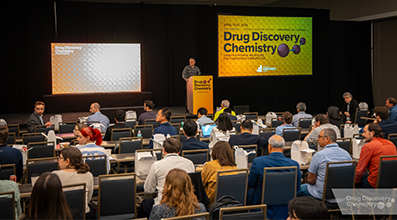
Explore upcoming conferences and scientific meetings where you can connect with our team.

At Sygnature Discovery, we deliver world-leading drug discovery solutions to accelerate your compound from idea to clinic.

Our leadership team brings diverse experience and insight, driving collaboration and innovation across drug discovery.

Explore careers at Sygnature Discovery and join a global team committed to science, collaboration, and integrity.
Inobrodib, an exciting, first-in-class oral anti-cancer drug in clinical development by CellCentric, was collaboratively designed, synthesised and supported on its pre-clinical journey by an integrated project team at Sygnature Discovery. Inobrodib is now showing promising results in Phase I and II trials for multiple myeloma and other cancer types.
At Sygnature Discovery, we deliver world-leading drug discovery solutions to accelerate your compound from idea to clinic.
Our leadership team brings diverse experience and insight, driving collaboration and innovation across drug discovery.
Explore careers at Sygnature Discovery and join a global team committed to science, collaboration, and integrity.
scientific solutions | CAAD
We deliver precise ADMET insights early in discovery to reduce risk and guide smarter design, helping you create safer, more effective molecules faster.

admet predictions
Early ADMET prediction allows teams to make informed decisions, minimizing risk and speeding the path from leads to viable candidates. At Sygnature Discovery, our approach in combining scientific expertise with advanced computational tools, which includes QSAR modeling, machine learning, and literature-based approaches delivers accurate, actionable ADMET predictions early in the discovery process.
By identifying metabolic hotspots and guiding multi-parameter optimization using both proprietary and open-source models, our integrated strategy provides medicinal chemistry teams with the insights needed to design safer, more effective molecules with confidence, reducing attrition and accelerating development.

Sygnature Discovery’s ADMET
predictions combine expert
experience with advanced AI/ML
tools to reduce attrition, guide
confident decisions, and deliver
tailored, project-specific insights.

We build custom QSAR and Free-Wilson models using project-specific or published data to predict ADMET properties and support multi-parameter optimization during compound design.

Our teams leverage machine learning and AI tools to create predictive models tailored to your project. Where sufficient data exists, we develop local, project-specific models that adapt throughout the DMTA cycle to refine performance.
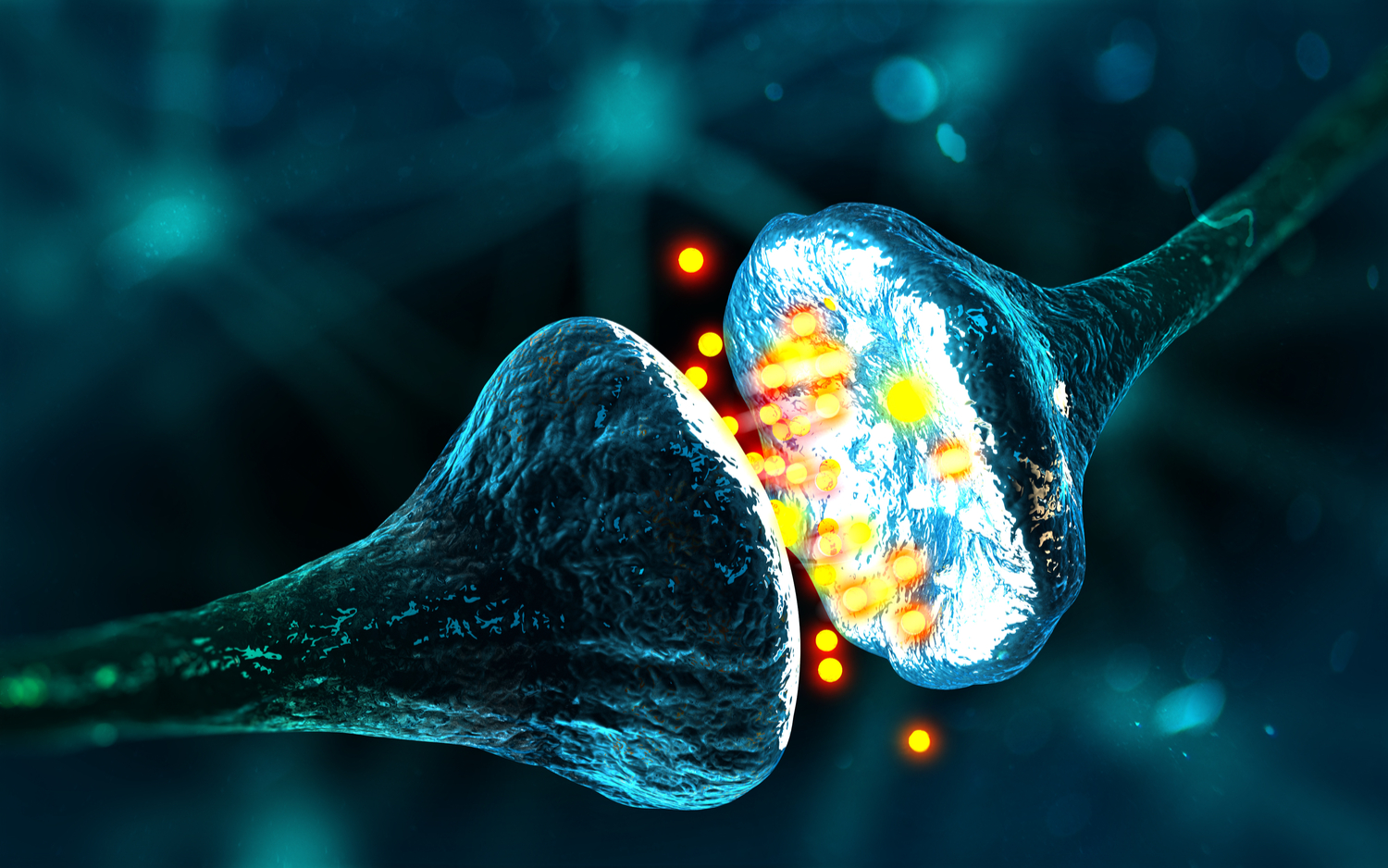
To guide the design of brain-penetrant molecules, we have implemented and validated our own version of the Central Nervous System Multiparameter Optimization (CNS MPO) approach originally developed by Pfizer, as well as the BBB Score from Gupta et al. Additional literature models for drug-likeness and other properties are also available, including AbbVie MPS and KiDS MPO.

We provide PK and PK/PD modeling, as well as physiologically based pharmacokinetic (PBPK) modeling in collaboration with our DMPK group.
Working with Sygnature on ADMET predictions combines decades of experience with advanced AI/ML tools to minimize attrition, provide clear and interpretable insights for confident decision making, and deliver customizable solutions tailored to your project’s data and needs.
With decades of experience combined with advanced tools, we minimize attrition and accelerate compound progression.
We provide clear, interpretable insights to help chemists and project teams make informed design choices, reducing uncertainty and accelerating progress.
With access to commercial and proprietary AI/ML Model development capabilities which can be tailored to your data and project needs, we ensure rational predictions and confident decision making.
Resources


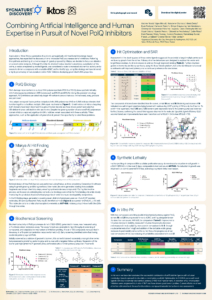


We predict a wide range of properties, including solubility, permeability, metabolic stability, clearance, and CNS penetration.
Both. We develop custom models using project data and apply validated models from leading software vendors and open-source platforms.
Our models and predictions are discussed across integrated and collocated project teams via secure platforms, enabling collaborative discussions, real-time feedback and confident iterative design cycles.
We bring together a dynamic blend of new talent and experienced pharmaceutical industry experts from a round the world, delivering excellence across every stage of discovery.
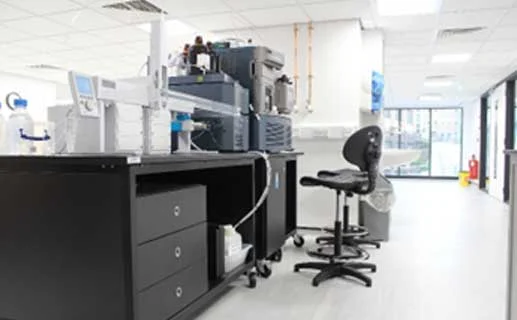
Integrated DMPK solutions combining advanced assays, modeling, and bioanalysis delivering predictive insights that reduce risk and guide candidate selection.

Combining deep therapeutic expertise with translational insight to design strategies, reduce risk, and accelerate discovery programs toward clinical success.

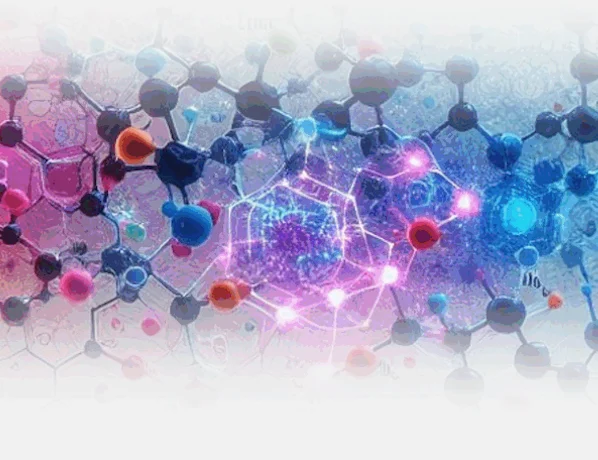
Combining AI-driven design, bespoke ML models and LLM-powered bioinformatics with hands-on collaboration to help you discover Optimized drug candidates faster.
Peak Proteins, NuChem Sciences, and SB Drug Discovery have now fully integrated with Sygnature Discovery.